A €2 million PNRR-funded project has returned Napoleon’s two Elba retreats, and thousands of square metres of their historic gardens, to the public.
Visitors to the island of Elba can once again explore the two historic residences that housed Napoleon Bonaparte during his celebrated exile. This follows the completion of a major restoration project backed by €2 million in funding from Italy’s National Recovery and Resilience Plan (PNRR).
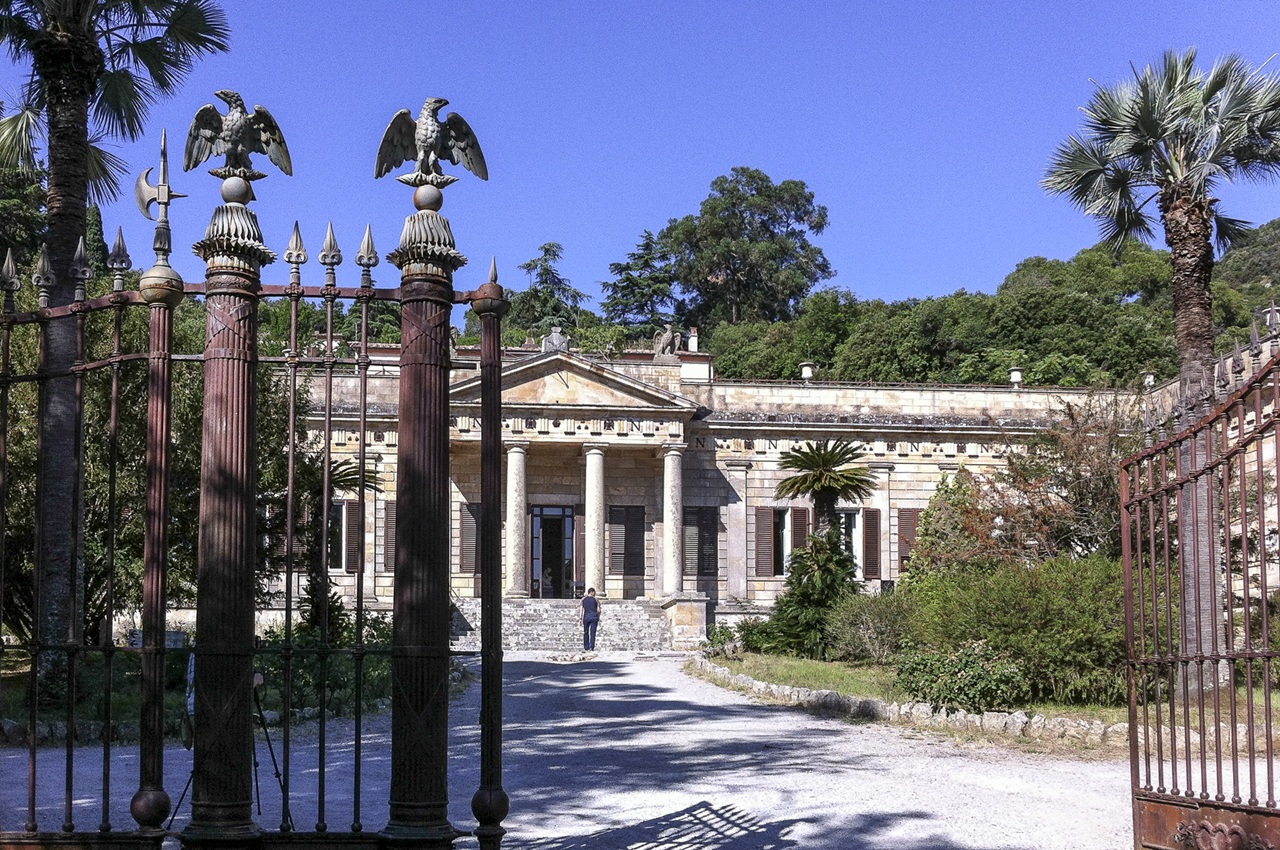
The Palazzina dei Mulini in Portoferraio and the hillside Villa San Martino have both reopened to the public. Extensive work has been carried out on the historic gardens, pathways, terraces and green spaces that had long been inaccessible or in need of conservation work.
The restoration works
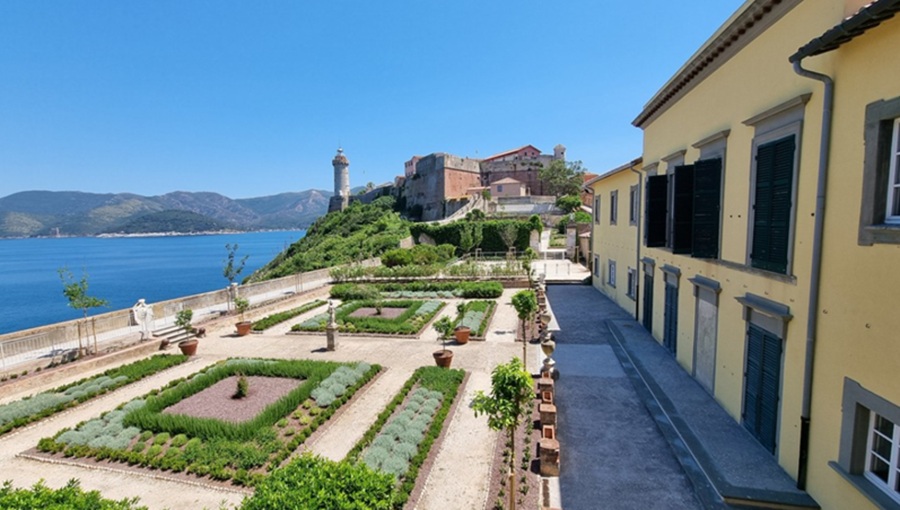
At the Palazzina dei Mulini — Napoleon’s official residence and the centre of political life during his exile, built into Portoferraio’s Medici fortifications — restoration focused on the reconstruction of the original Italian-style garden. More than 5,000 square metres returns to public use with historical plant varieties reintroduced according to archival sources. Panoramic terraces and viewpoints overlooking the harbour have also been reopened.
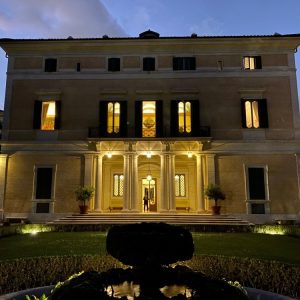
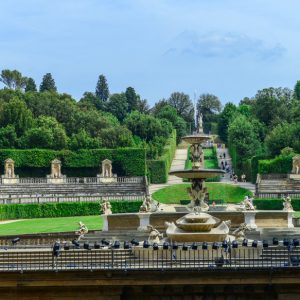
At Villa San Martino, Napoleon’s more private country retreat a few kilometres outside Portoferraio, the project restored historic walkways, ornamental fountains, water basins and landscaped parkland — reopening approximately 35,000 square metres of grounds to visitors.
The reopening coincides with the exhibition 50 Years of Creation by Tuscan sculptor Andrea Roggi, displayed across both residences and Portoferraio’s waterfront.
Napoleon’s Elba exile
Napoleon arrived on Elba in May 1814 following his abdication after the Treaty of Fontainebleau, having been granted sovereignty over the island. What Europe assumed would be a quiet political retirement proved anything but. In less than ten months he reorganised local administration, improved roads and transport infrastructure, encouraged agriculture and trade, and sought to modernise the island’s economy. He departed in February 1815 to launch the campaign history would remember as the Hundred Days.
His principal seat was the Palazzina dei Mulini, which he personally supervised in its conversion from military buildings, overseeing architectural modifications, furnishings and décor. His mother Letizia Bonaparte and his sister Pauline were among those who joined him there, reconstituting a reduced version of the imperial court. The museum today preserves period furniture, personal memorabilia and part of Napoleon’s library; a remarkable collection of 2,378 volumes assembled within months of his arrival, drawing on books selected from the libraries of Fontainebleau, gifts from his uncle Cardinal Joseph Fesch, and purchases from booksellers in Livorno and elsewhere. Before his departure, Napoleon donated the entire collection to the community of Portoferraio.
Villa San Martino, purchased as a summer retreat in June 1814, was largely unused owing to Napoleon’s abrupt departure. It was later acquired by Prince Anatole Demidoff, who commissioned the neoclassical gallery that still bears his name. Its Egyptian Room remains one of the most distinctive Napoleonic interiors in Italy.
Visiting Elba
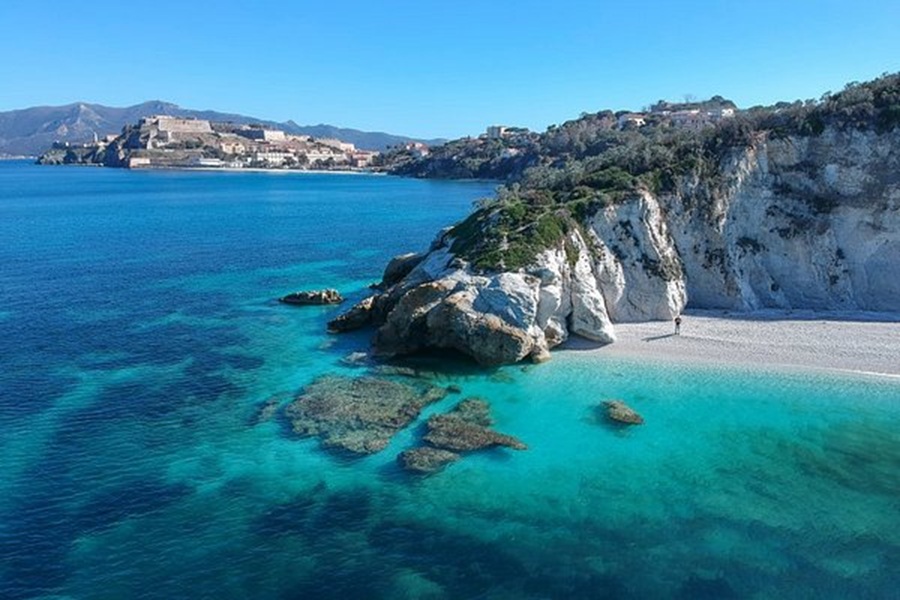
Elba draws visitors principally for its clear waters and Mediterranean coastline, but the restored residences consolidate its status as one of the most significant Napoleonic heritage sites in Europe.
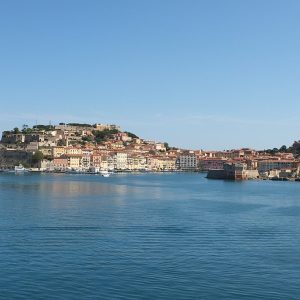
Both the Palazzina dei Mulini and Villa San Martino are open as part of the Napoleonic Residences museum network, and are accessible from Portoferraio, the island’s main town and port, which is served year-round by ferry connections from the Tuscan mainland.
The clear waters are great for diving and water sports. And if you’re a fan of sea food, then the tuscan dishes are something to be enjoyed. Cosimo de’Medici had a city Cosmopoli dedicated to him; founded by the architects Giovanni Camerini and Bernardo Buontalenti, the Forte Falcone fortress is still an imposing presence.