The Tuscan capital tops Travel + Leisure 2026 World’s Best Awards for the region. Readers cite its art, food and walkability and its role as gateway to Chianti and Montalcino.
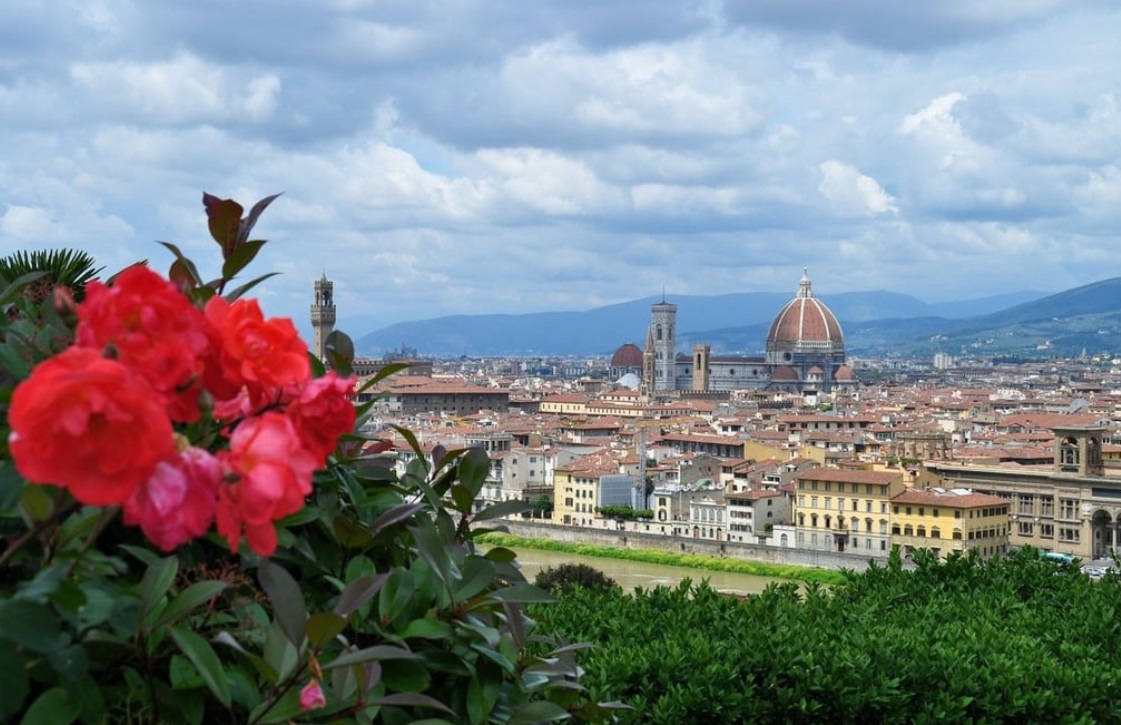
Florence has been voted the best city in Europe in this year’s Travel + Leisure World’s Best Awards, one of the travel industry’s most closely watched reader surveys.
The result puts the Tuscan capital ahead of every other major European destination and continues a long run of strong showings for the city. Florence has a permanent place in the magazine’s Hall of Fame — reserved for destinations that turn up near the top year after year.
More than the monuments
The Duomo, the Uffizi and the Ponte Vecchio still pull in the first-time visitors, and rightly so. But it’s telling that so many people who come back to Florence a second or third time end up somewhere quieter — a residential street, an artisan’s workshop, a café with no view of anything famous at all.
Travel + Leisure’s readers pointed to a similar mix in their scoring: art and history, yes, but also the food and the fact that the whole place can be crossed on foot. The magazine also flagged something locals have known for years, that Florence works as well as a base for exploring Tuscany as it does as a destination in its own right, with Chianti and Montalcino both within easy striking distance.
Mary Gray, editor-in-chief of Italy Magazine and a long-time Florence resident, told the publication that it’s rarely the art that keeps people coming back. The city’s size and the rhythm of daily life tend to matter more once the initial pull of the Renaissance has worn off.
However, for first time visitors, here’s our top things to do in Florence.
Craftsmanship still at the centre
Florence’s identity has always been bound up with what its artisans make, not just what its museums hold. Leather, jewellery, paper — the techniques are old, and in places like the Oltrarno, they’re still being handed down rather than simply preserved behind glass.
Plenty of the city’s tourist streets have gone the way of every other tourist street, filled with souvenirs that could have come from anywhere. But the independent workshops that survive alongside them are doing more than trading on nostalgia, they remain a genuine part of how the city sees itself.
A city trying to manage its own success
None of this comes without strain. Florence has spent recent years trying to balance its pull on the world stage with the pressures that pull creates at home: overtourism, rising housing costs, a historic centre that can only take so much footfall. Local authorities have introduced measures aimed at spreading visitors more evenly and encouraging a look beyond the usual landmarks.
For the hotels, restaurants and cultural institutions that make up Florence’s tourism economy, the award is useful visibility in a crowded market. For the people who actually live there, it’s more of a reminder: the city’s real strength was never only the Renaissance. It’s the ordinary life still going on around it.