On this day: birth of Giulio d’Este of Ferrara
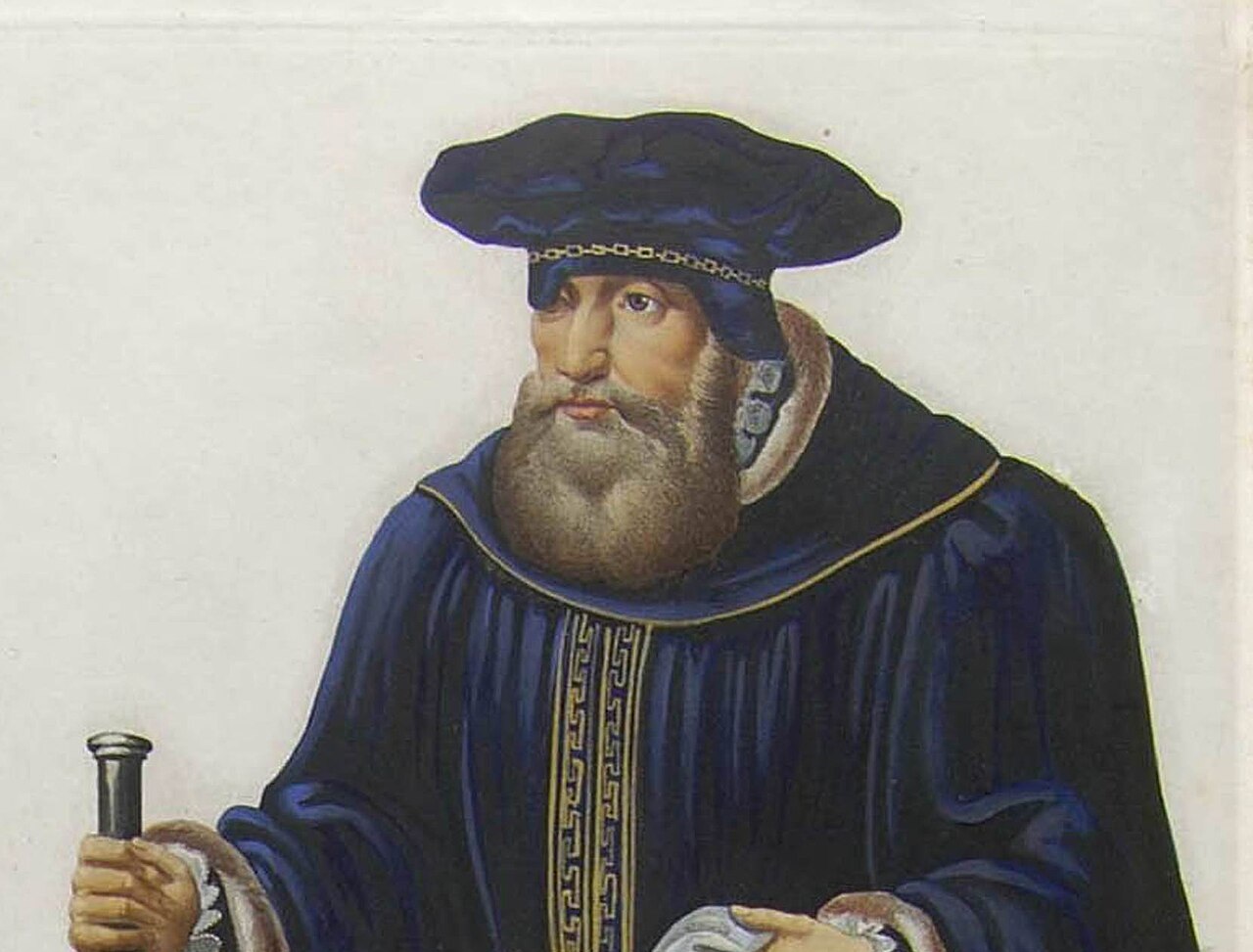
Giulio d’Este, who spent more than half of his life in prison for taking part in a failed conspiracy against his half-brother, the Duke of Ferrara, was born 13 July 1478 in Ferrara.
Continue ReadingGiulio d’Este, who spent more than half of his life in prison for taking part in a failed conspiracy against his half-brother, the Duke of Ferrara, was born 13 July 1478 in Ferrara.
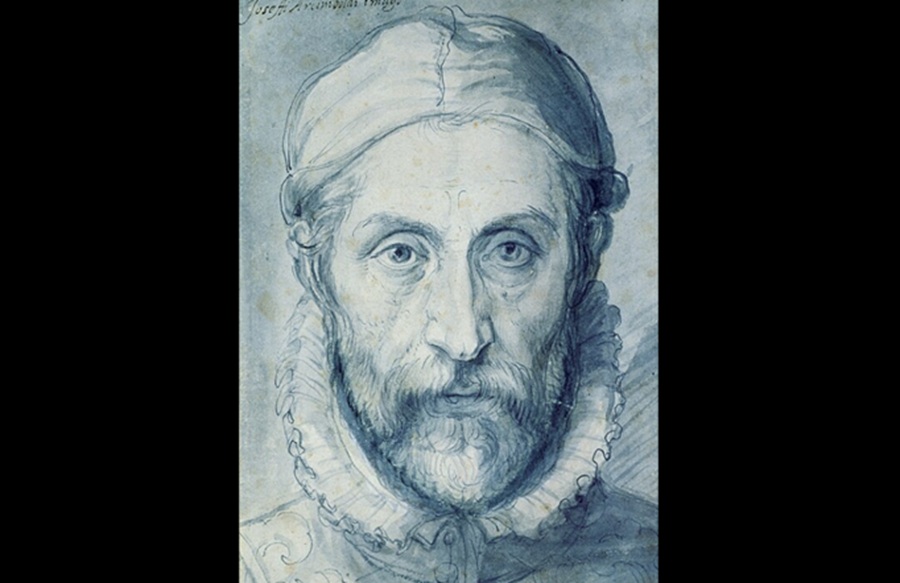
Continue ReadingThe artist Giuseppe Arcimboldo died on 11 July 1593 in Milan. He is celebrated for his imaginative portrait heads built entirely from objects such as fruit, vegetables, flowers and fish,
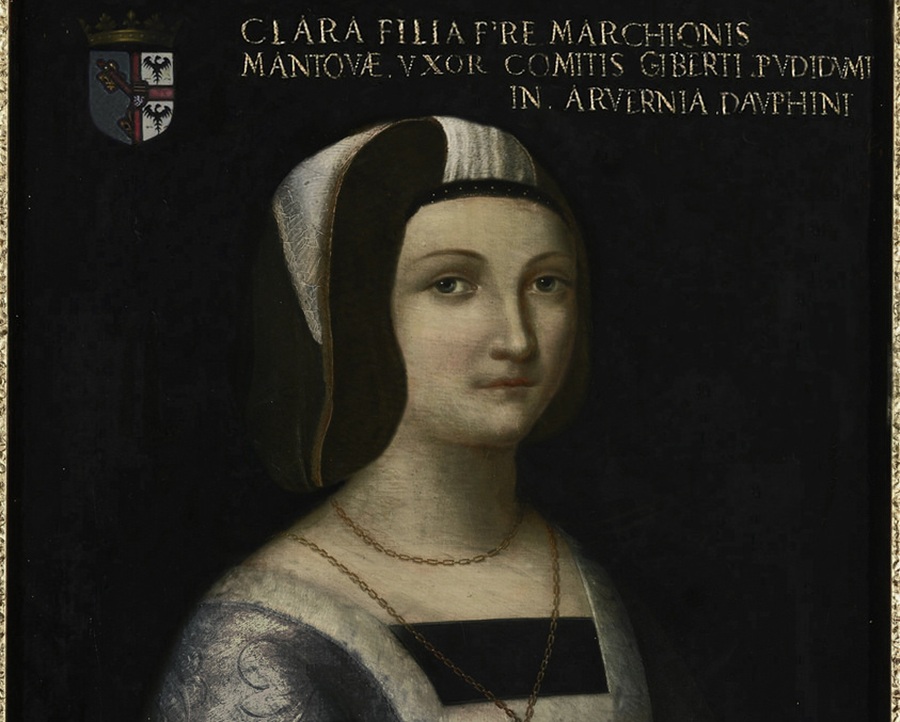
Continue ReadingBorn on 1st July 1464, Clara Gonzaga, the eldest daughter of Federico I Gonzaga lived only 38 years but left a dynastic legacy that stretched from the Bourbon kings of France to King Charles III of Britain and Northern Ireland.
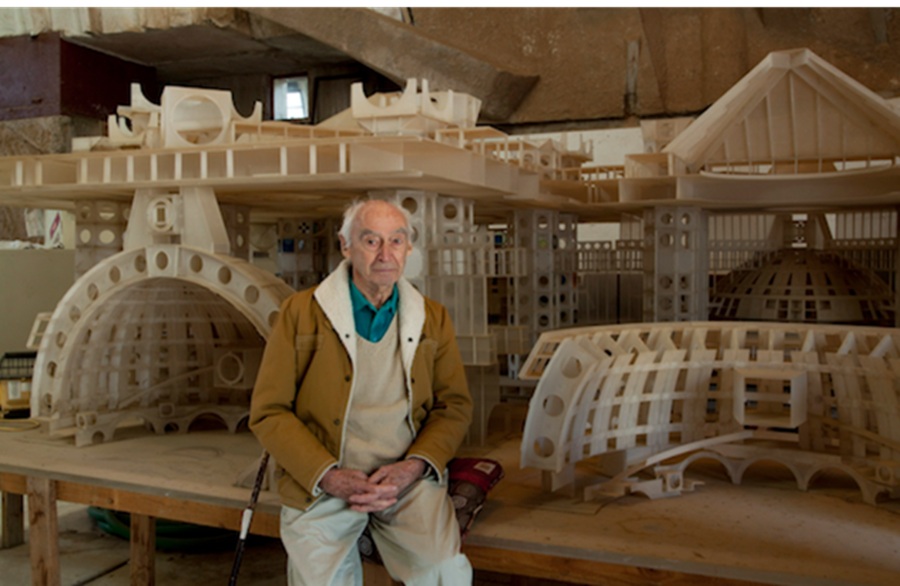
Continue ReadingOn 21 June 1919, the pioneering architect, urban planner, and ecologist Paolo Soleri was born in Turin, Italy. Renowned for his radical philosophy of “arcology”, a fusion of architecture and ecology, Soleri dedicated his life to reimagining how human habitations could coexist harmoniously with the natural world.
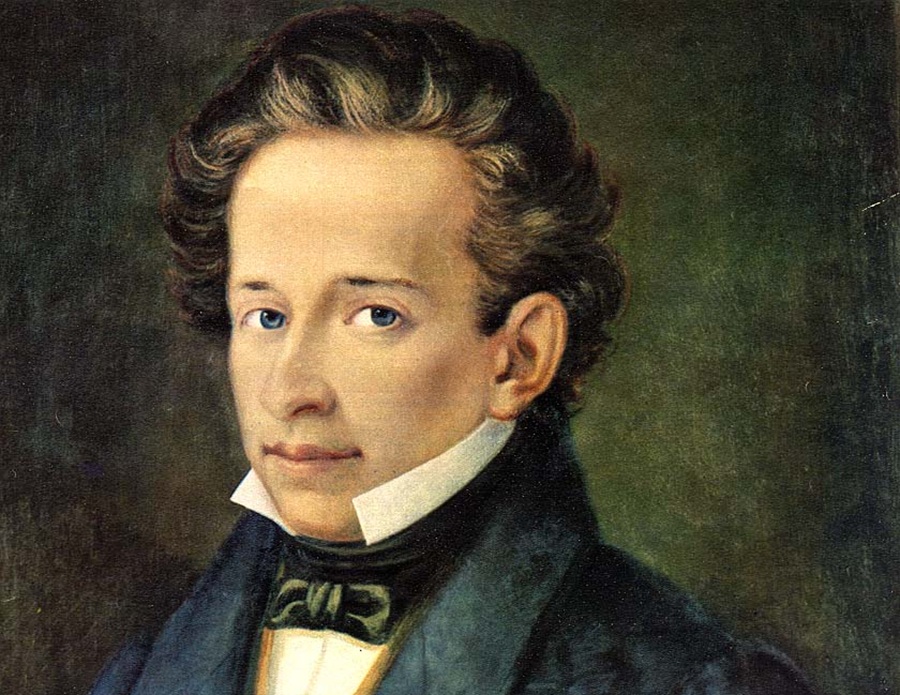
Continue ReadingOn 14 June 1837, Giacomo Leopardi — poet, philosopher and one of the most original literary minds in the Italian tradition — died in Naples aged 38. He was the victim of the cholera epidemic then sweeping the city. In a life marked by physical suffering, intellectual isolation and serial heartbreak, he produced a body […]
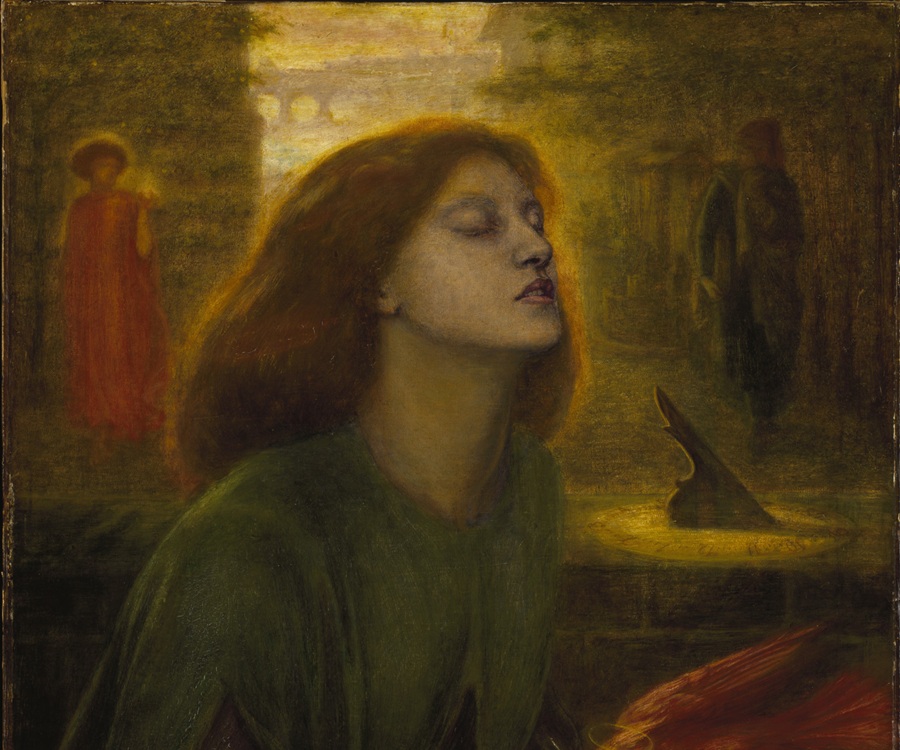
Continue ReadingOn 8 June 1290, Beatrice Portinari, a young woman whose brief life would shape one of the greatest works in the history of literature, died.
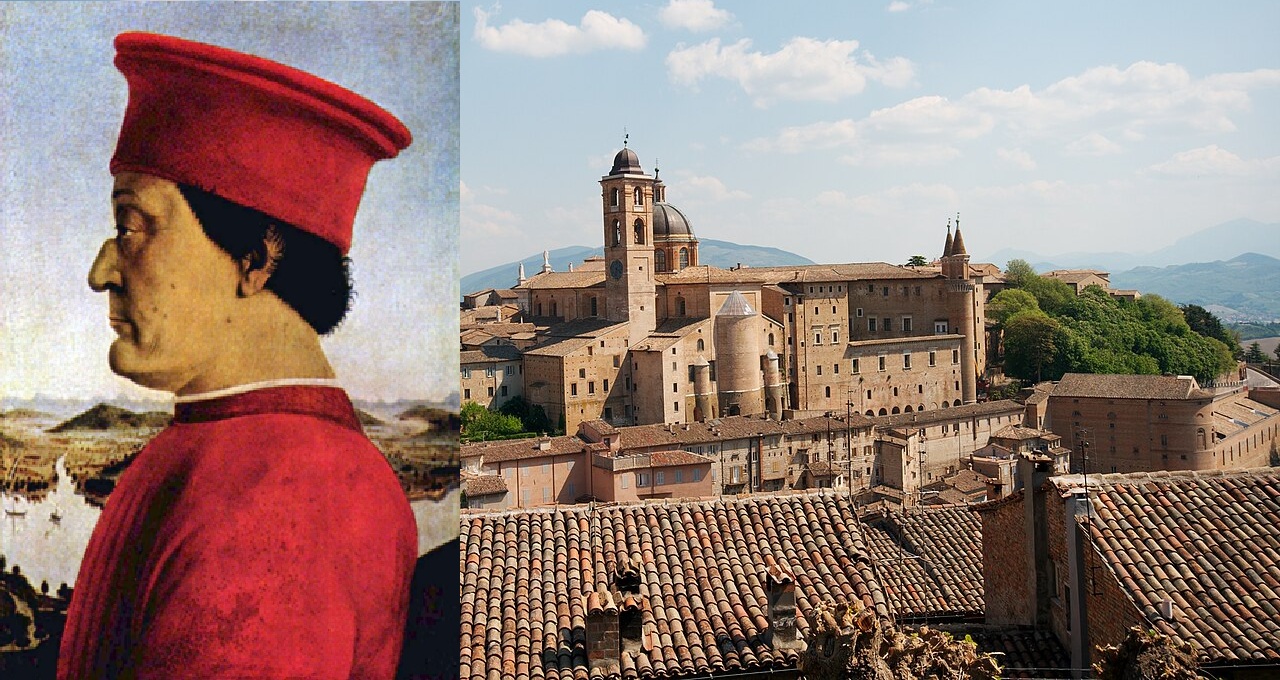
Continue ReadingBorn on 7th June 1422 in Gubbio, Federico da Montefeltro was the most celebrated condottiere of his age. He was a mercenary commander of formidable military skill who used the profits of war to create one of the finest courts of the Italian Renaissance at Urbino.
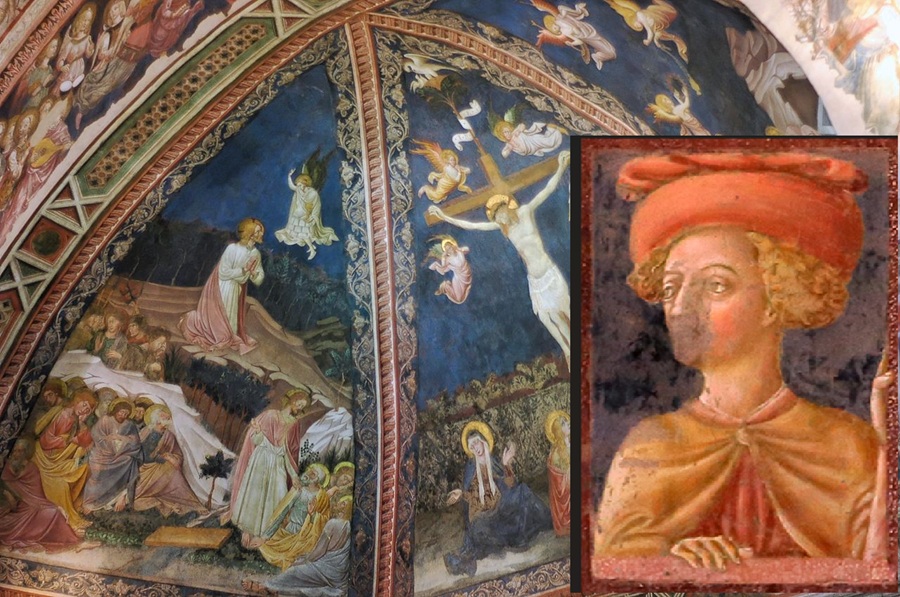
Continue ReadingLorenzo di Pietro di Giovanni — known to posterity as Vecchietta, ‘the little old one’ — died in Siena on 6th June 1480. He left behind a legacy in paint, bronze and stone that remains inseparable from the identity of one of Italy’s most artistically rich cities.
Continue Reading29 May 1415: Baldassare Cossa, reigning as Pope John XXIII, is formally deposed by the Council of Constance after fleeing the city in disguise. The Council’s decision brought one of the most colourful and scandalous careers in Church history to an end.
Continue ReadingOn 17th May 1510, Florence lost the painter who gave the Renaissance its most enduring face. Sandro Botticelli was a man whose genius was forgotten almost as soon as he died, and whose rediscovery centuries later would reshape how the world understood Italian art.
Continue Reading