
On this day: birth of Francesco I d’Este – Duke of Modena
Francesco 1 d’Este was a warrior-duke who survived plague, played both sides of the Thirty Years’ War, and left Modena one of Italy’s finest baroque palaces.
Continue Reading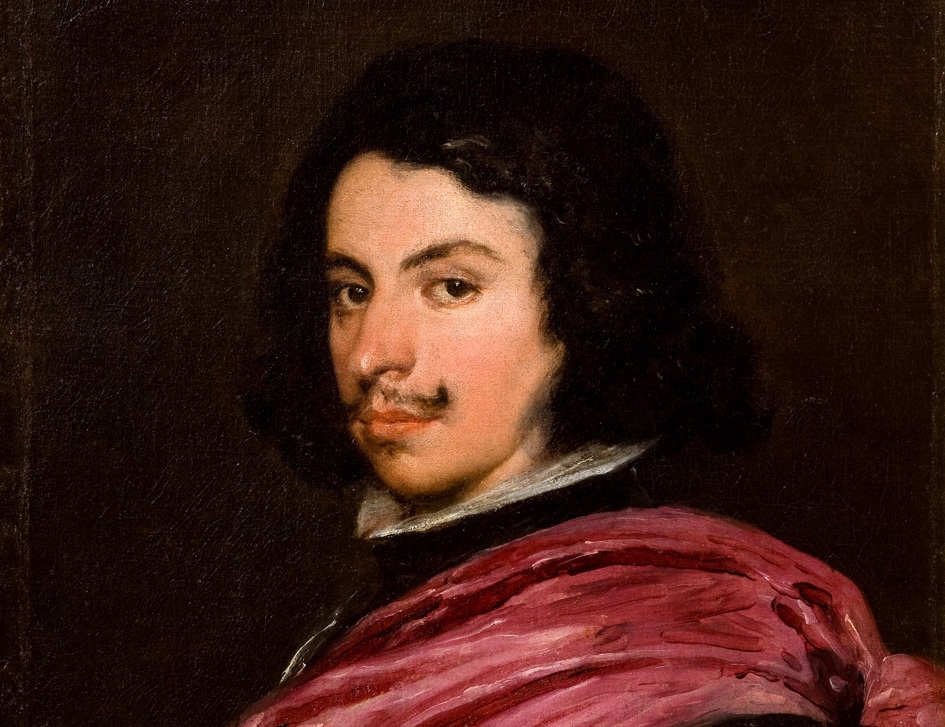
Francesco 1 d’Este was a warrior-duke who survived plague, played both sides of the Thirty Years’ War, and left Modena one of Italy’s finest baroque palaces.
Continue Reading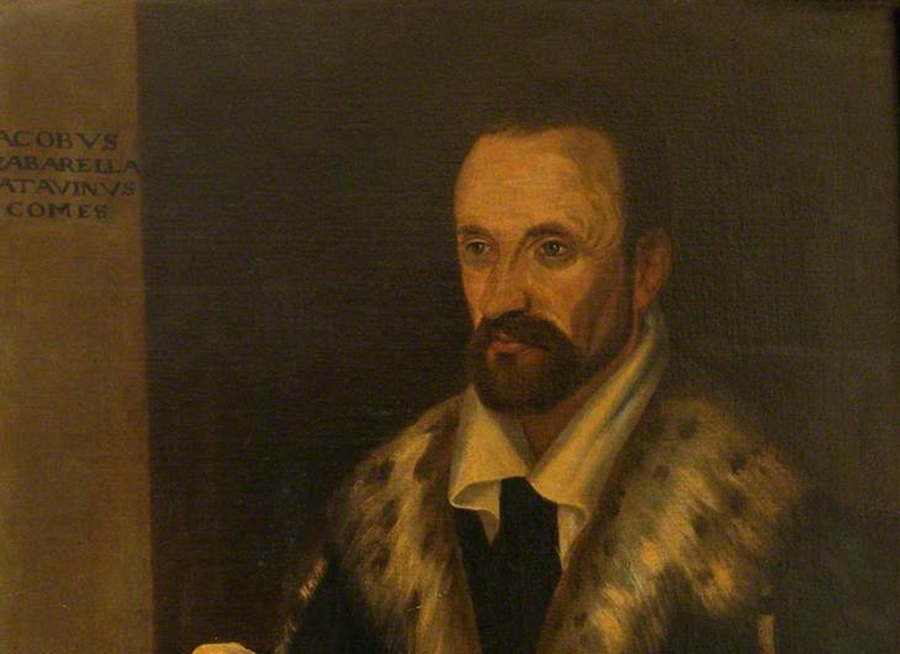
Giacomo Zabarella, the leading figure of Renaissance Aristotelianism, was born on 5th September 1533 in Padua, in Veneto. The Renaissance scholar’s mastery of Greek allowed him to champion what he believed was the true meaning of Aristotle’s ideas.
Continue Reading![Cardinal Scipione Borghese By Ottavio Leoni - [1], Public Domain, https://commons.wikimedia.org/w/index.php?curid=101285191](https://italynews.online/wp-content/uploads/2026/09/Portrait_of_Cardinal_Scipione_Borghese_by_Ottavio_Leoni-cropped.jpg)
Cardinal Scipione Borghese, nephew of Pope Paul V, used his vast wealth and power to build one of history’s greatest art collections. He championed the young Bernini and recognised Caravaggio’s genius from the beginning.
Continue Reading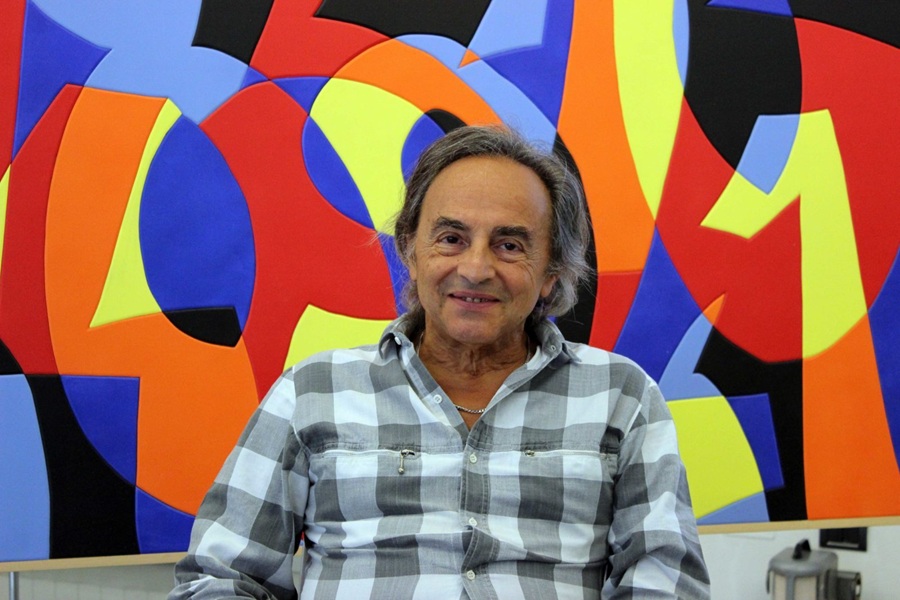
Painter, sculptor, filmmaker and writer, Ugo Nespolo, known for playful, ironic works blending Pop Art, collage and Italian avant-garde traditions was born on this day in 1941 in Mosso, near Biella in Piedmont.
Continue Reading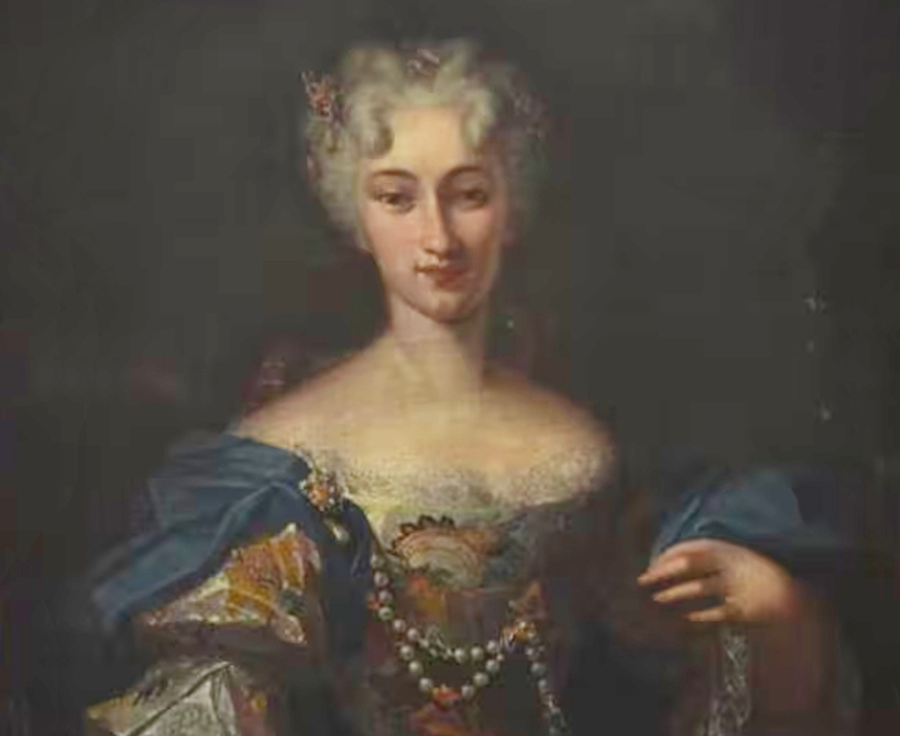
An aristocratic woman recognised as one of the brilliant mathematicians and scientists of her era, Clelia Grillo Borromeo Arese, died on 23rd August 1777 in Milan.
Continue Reading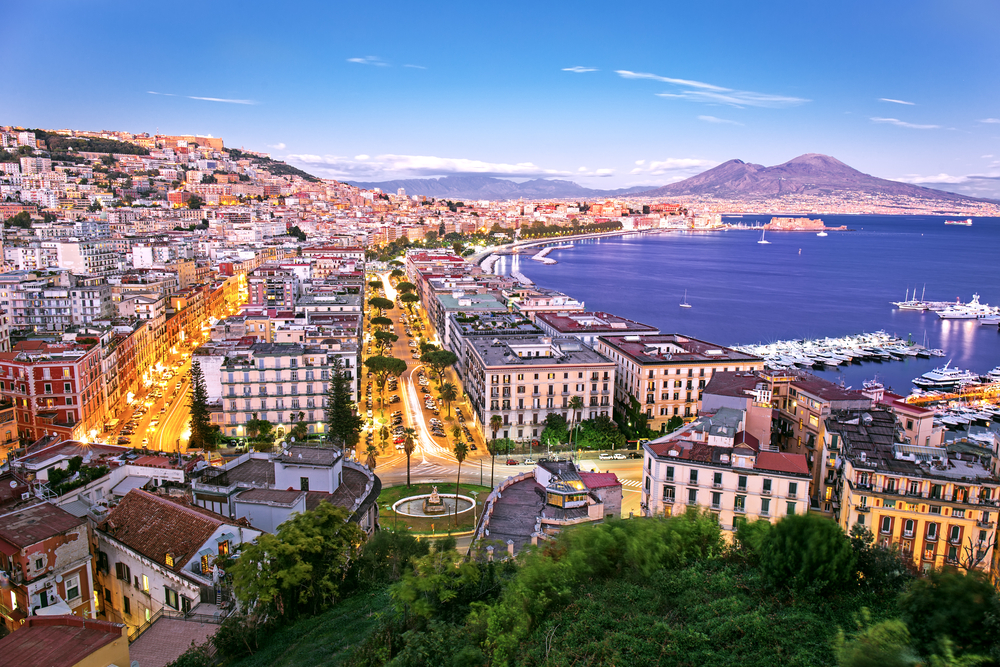
On 30 July 1626, one of the most violent seismic events in European history struck the region surrounding Naples. Estimated to have measured approximately 7.0 on the Richter scale, the massive earthquake and subsequent tsunami devastated the bustling maritime hub and wiped out dozens of nearby settlements, claiming an estimated 70,000 lives.
Continue Reading
San Marino residents celebrate the anniversary of their liberation from Fascism on 28th July, marking the moment a clandestine socialist resistance finally forced the ruling Fascist party from power.
Continue Reading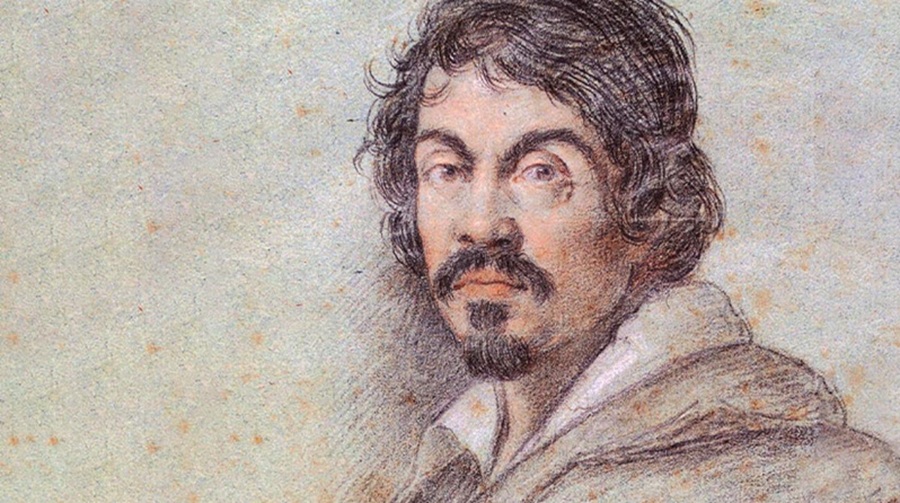
Fleeing a death sentence, chasing a papal pardon, and having seen the boat carrying his precious paintings sail away, Michelangelo Merisi da Caravaggio died alone and feverish on a Tuscan beach on 18th July 1610.
Continue Reading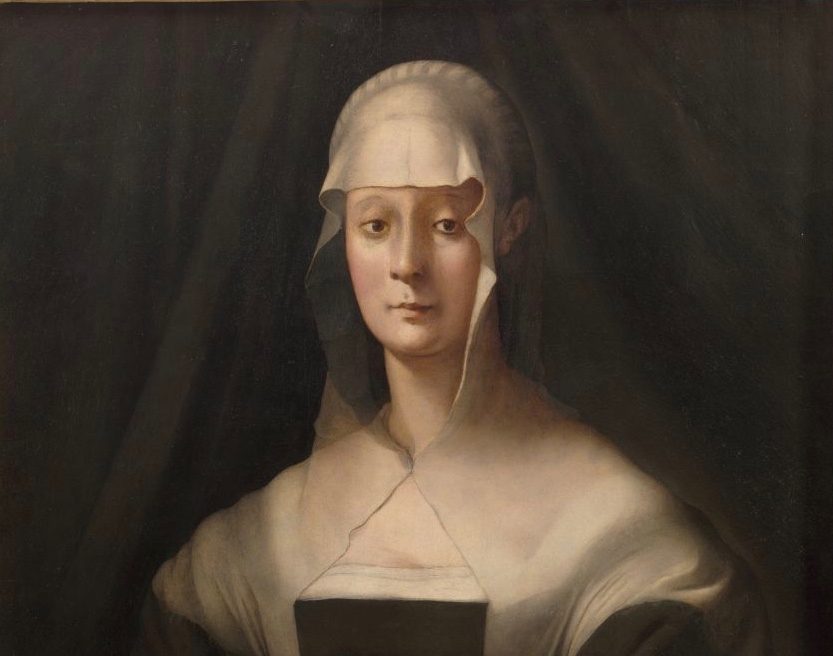
Maria Salviati was a Florentine noblewoman whose descendants included kings of France and England. She was also, the mother of Cosimo I de’ Medici.
Continue Reading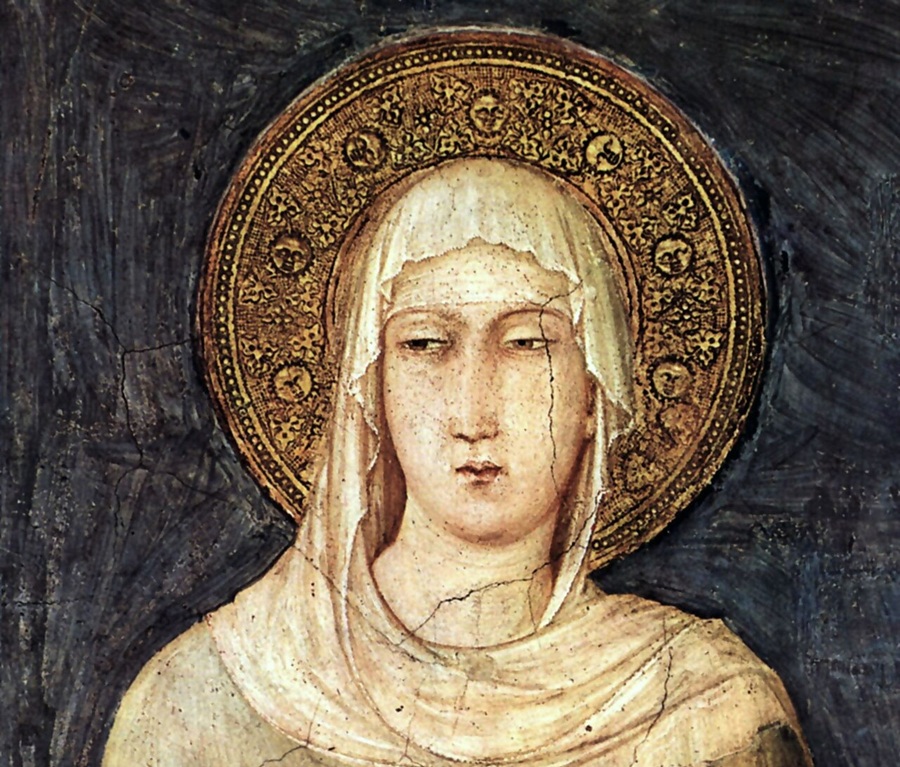
St Clare was born on 16 July 1194 in Assisi, into a noble family whose sheltered future she abandoned at eighteen for a life of poverty. She founded one of the great religious orders of medieval Europe.
Continue Reading