ROME — Italy in January is one of the best months to experience the country without the crowds. The festive rush has passed, prices drop, and cities have a more authentic feel. Cold weather brings snow to the mountains and mist to historic centres, adding atmosphere rather than inconvenience.
Here is how to make the most of Italy in January, from famous cities to lesser-known regions.
Rome

January is ideal for exploring Rome’s landmarks at a slower pace. Visitor numbers fall sharply after Epiphany on 6 January.
The Colosseum, Roman Forum and Vatican Museums are far easier to visit than in peak months. Long walks through Trastevere or along the Tiber feel more relaxed.
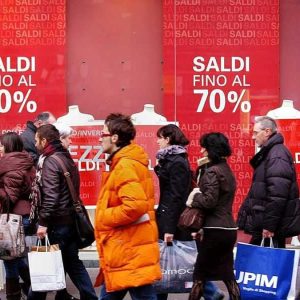
Winter sales begin early in the month, making it a good time for shopping on Via del Corso and Via Cola di Rienzo.
Florence
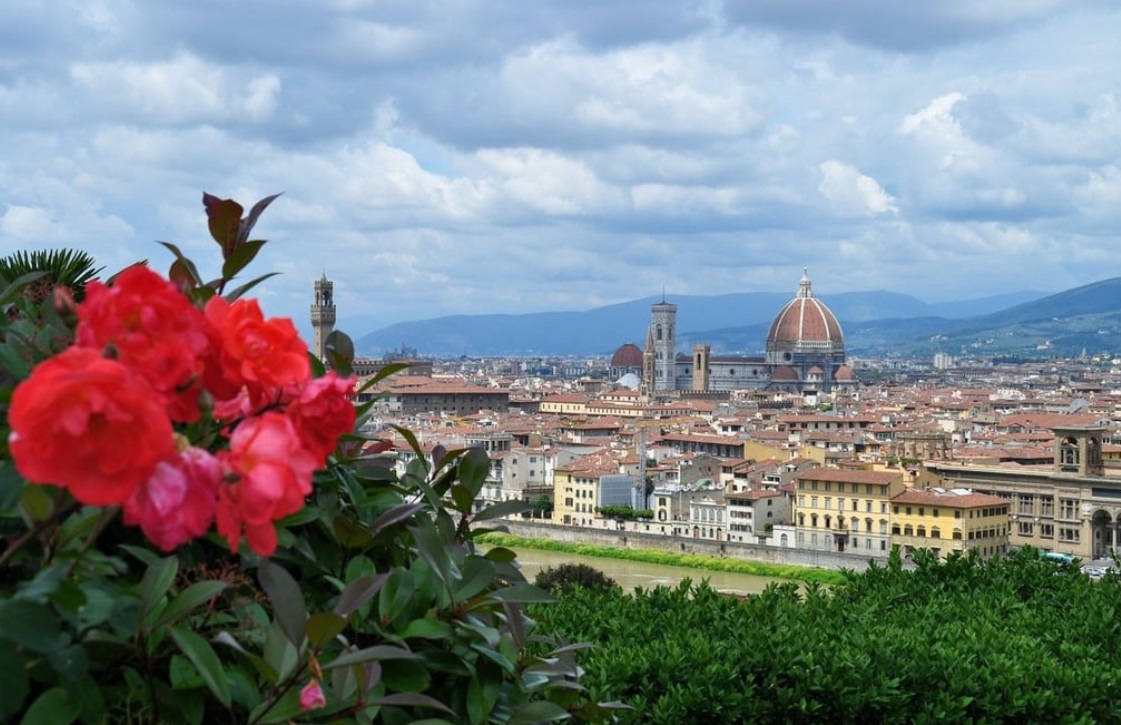
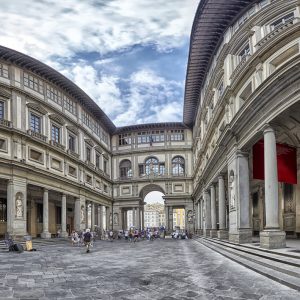
Florence in January feels quieter and more intimate. Museums are less crowded, allowing time to linger in the Uffizi or Accademia. Cold days suit long lunches in traditional trattorie and evenings spent in wine bars near Santo Spirito.
The city also hosts fashion-related events later in the month, giving Florence a brief but lively buzz.
Read: Best Things to do in Florence
Venice
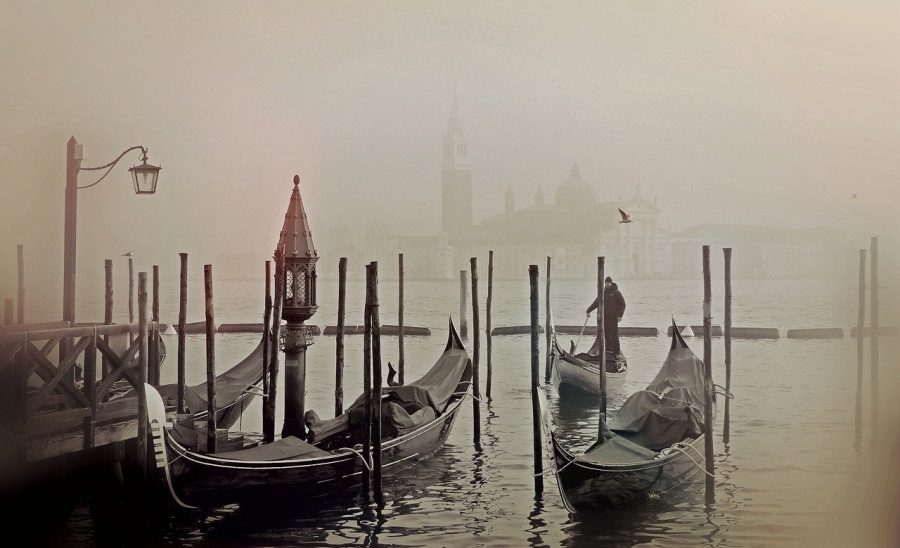
Venice in January is calm and atmospheric. Morning fog drifts through canals, creating scenes rarely seen in summer. It is the perfect time to explore neighbourhoods such as Cannaregio and Castello, where daily life continues away from tourist routes.
Carnival preparations begin towards the end of the month, with early events offering a quieter preview of the spectacle to come.
Milan

Milan combines culture and shopping in January. The winter sales draw visitors, but crowds are still manageable.
La Scala’s opera season is in full swing, making it a strong month for music lovers. Museums and galleries are easy to visit, and cafés around Brera feel particularly inviting in cold weather.
Read: A Quick Guide to Milan
Abruzzo

Often overlooked, Abruzzo shines in January. The Apennine mountains offer skiing and snowshoeing without the prices of more famous resorts.
National parks such as Gran Sasso provide dramatic winter landscapes, while the region’s towns serve hearty locaal dishes ideal for the season.
Basilicata

Basilicata offers a quieter southern winter. Matera’s cave dwellings take on a striking beauty in cold light. January is a good time to explore the Sassi without crowds, and local cuisine focuses on warming, rustic flavours.
Friuli Venezia Giulia
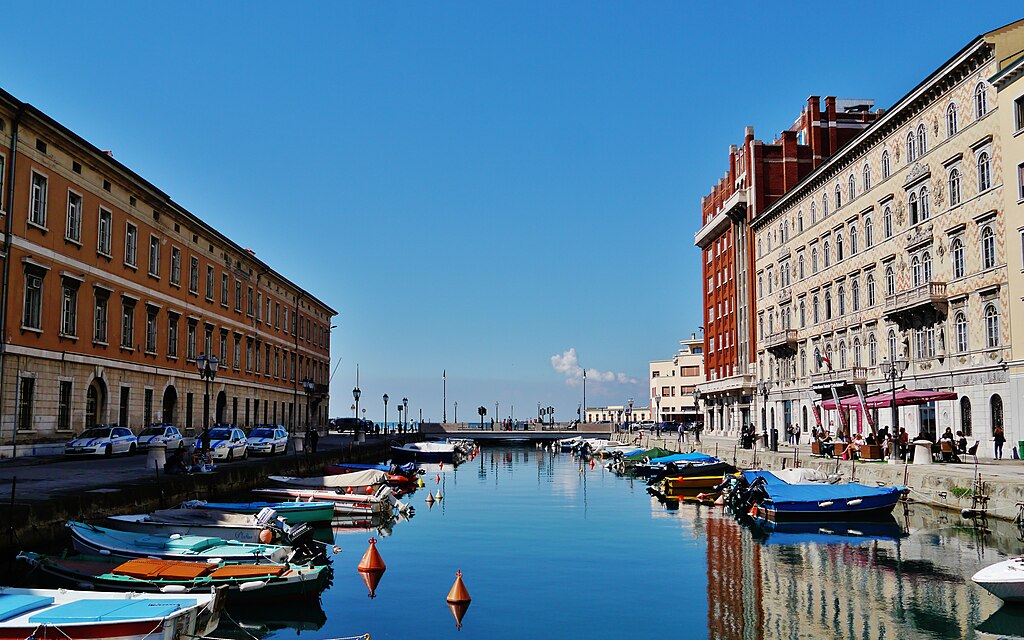
In the north-east, Friuli Venezia Giulia blends Alpine scenery with Central European influences. January brings snow to the mountains and a cosy feel to cities like Udine and Trieste.
The region’s food culture, shaped by Austrian and Slavic traditions, suits winter well.
Read: Quick Travel Guide: Trieste
Sardinia
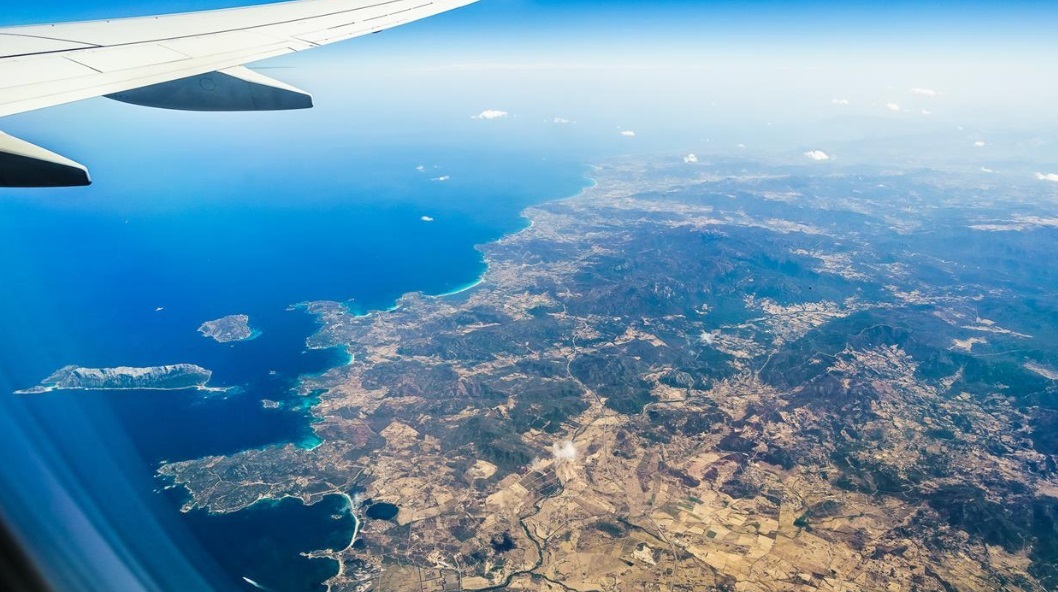
January in Sardinia is about nature rather than beaches. Coastal walks feel wild and empty, while inland villages follow slow winter routines.
Hotels are cheaper, and the island’s archaeological sites can be explored in peace.
Calabria

Calabria remains mild compared with the north. January is a good month for discovering hill towns and local food traditions.
With few tourists, visitors see a more authentic side of the region, from markets to family-run restaurants.
Why Italy in January works
Italy in January rewards travellers who value atmosphere over sunshine. Fewer crowds, lower costs and a strong sense of local life make it one of the most underrated times to visit.
From snowy mountains to misty canals and quiet historic streets, January shows Italy at its most reflective and authentic.