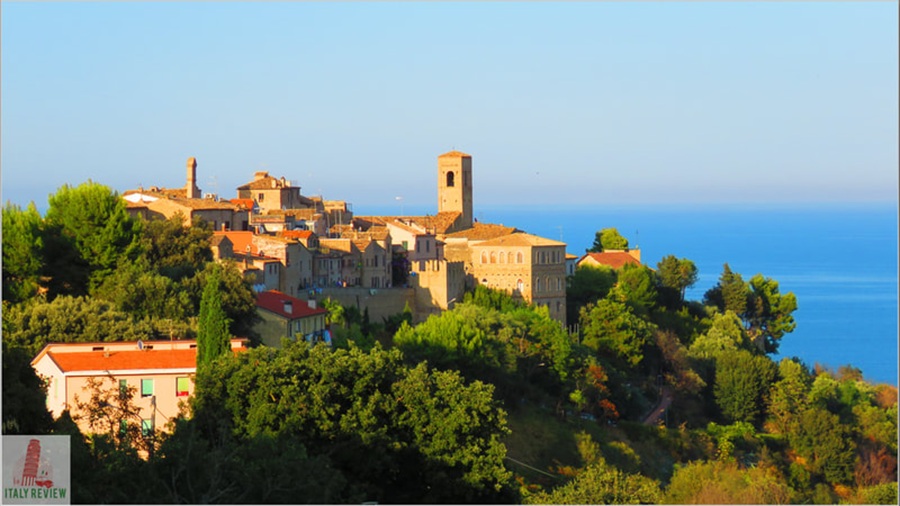
Italy’s national tourism board plans to steer visitors towards lesser-known regions to ease over-tourism pressures.
ENIT president Alessandra Priente said the strategy will begin with a strong focus on the Milano Cortina 2026 Winter Olympics. The Games will take place in February 2026 across Milan in Lombardy and Cortina d’Ampezzo in Veneto. The two locations lie 420 kilometres apart but showcase diverse experiences.
These range from fashion and art to hiking and skiing. ENIT sees them as gateways to wider regional travel.
“Both regions are working hard to encourage visitors to explore surrounding areas,” Priente said.
She was speaking at ILTM Cannes earlier this month.
“Big events really create a legacy that we need to capitalise on,” she added.
The initiative forms part of the ‘Luminous Destinations 2026’ national project. Its aim is to attract visitors to what ENIT calls “99% of Italy that is still undiscovered”. Regions targeted include Puglia, Basilicata, Le Marche, Abruzzo and Sardinia.
Italy top destination for luxury travellers
Priente’s comments come as Italy remains the world’s top destination for luxury travellers.
Virtuoso ranked Italy first in its 2026 Luxe report.
Italy has seen a 17% rise in overnight stays over the past decade. Priente said this shows steady growth in the luxury travel segment. She said Italy still represents the core of luxury travel. This includes family traditions, bespoke hospitality and personalised experiences.
Rome is also undergoing a hospitality revival. Six new five-star hotels are expected to open. These include Mandarin Oriental, scheduled for 2026. Four Seasons is also developing a property near Vatican City.
Over half of Italy’s arrivals now come from overseas visitors. Most travel from the United States.
Focus to move beyond tourism hotspots
ENIT aims to encourage travellers to experience everyday Italian life. Priente said the focus must move beyond traditional hotspots to lesser-known regions.
“We’re grateful for Venice, Florence, Milan, Naples, Capri,” she said. “Our job now is to develop lesser-known Italy into a bigger destination.”
She rejected links between luxury tourism and over-tourism. “There is badly distributed tourism and badly managed tourism,” she said. She added that luxury tourism is not the cause of the problem.
ENIT will also collaborate with other Mediterranean destinations. The goal is to jointly attract high-end travellers to the region.