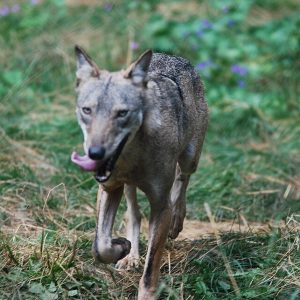
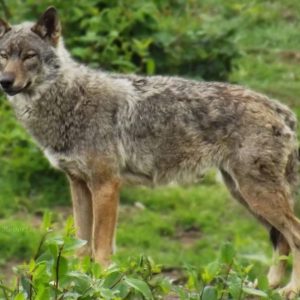
Conservation groups condemn a suspected deliberate poisoning campaign in the Parco Nazionale d’Abruzzo, Lazio e Molise. They warn that the killings reflect a growing climate of hostility towards wolves fuelled by weakening legal protections.
Ten wolves have been found dead in and around one of Italy’s most celebrated national parks, in what wildlife authorities believe to be a deliberate poisoning campaign. It has prompted a criminal investigation and an outcry from conservation organisations.
The grim toll emerged across two separate incidents at the Parco Nazionale d’Abruzzo, Lazio e Molise, a protected wilderness in central Italy and one of the country’s flagship sites for large predator conservation.
Five carcasses were discovered on Wednesday morning in the municipality of Alfedena, in the province of L’Aquila, where investigators also found remains consistent with poisoned bait. Days earlier, a further five wolf carcasses had been recovered a short distance away in the territory of Pescasseroli — home to the park’s visitor centre and its wildlife monitoring operations.
Authorities are working to establish whether the two incidents are linked. Post-mortem examinations have been entrusted to the Istituto Zooprofilattico Sperimentale of Abruzzo and Molise, with poisoning considered the most likely cause of death.
“Unacceptable criminality”
WWF Italia described the events as among the most serious wildlife crimes recorded in Italy in the past decade, condemning what it called “unacceptable criminality in a civilised country.”
The park’s own authorities were equally unequivocal, branding the act “illegal” and “extremely serious.” Beyond the immediate loss of life, they warned that the use of poisoned bait poses an indiscriminate threat to all wildlife in the area. These include the Marsican brown bear, a critically endangered subspecies for which the park is a primary sanctuary. Other raptors and small fauna have also been reported dead in the vicinity, suggesting the poison’s reach extended well beyond its apparent targets.
A pattern of persecution
WWF linked the Abruzzo killings to a broader and troubling pattern of illegal persecution. Days before the discoveries in the park, two wolves were killed and mutilated in Tuscany.
The organisation warned that a “climate of hatred” towards wolves is being actively fuelled in part, it argues, by political decisions that have progressively weakened the species’ legal standing. The European Union, signatory states of the Bern Convention, and the Italian government under Prime Minister Giorgia Meloni have each supported a downgrading of the wolf’s protected status. It moved from “strictly protected” to merely “protected”, a change that opened the door to lethal control measures.
The consequences were swift. Last summer, the first legal culling of wolves in Italy in approximately fifty years took place in the northern Alto Adige region. WWF argues that such policy shifts do not reduce illegal killing. On the contrary, the organisation warned, they risk “legitimising illegal behaviour and encouraging poaching.”
WWF Italia has stated its intention to join the case as a civil party should the criminal investigation proceed to trial.
The case is being closely watched closely by conservationists across Europe. The Parco Nazionale d’Abruzzo, Lazio e Molise was instrumental in the Italian wolf’s recovery from near-extinction in the 1970s. At that point, fewer than a hundred individuals existed across the entire peninsula.