Umbria is marking the 800th anniversary of the death of Saint Francis of Assisi with a major Giotto exhibition in Perugia, bringing together some of the most significant works of early Italian art.
The exhibition, titled “Giotto and Saint Francis. A revolution in 14th-century Umbria”, runs from 14 March to 14 June 2026 at the Galleria Nazionale dell’Umbria. It forms part of a wider programme of events celebrating the legacy of the saint, who is also the patron saint of Italy.
Announcing the initiative, Culture Minister Alessandro Giuli described the project as an opportunity to highlight a “cultural revolution” that began in Umbria and spread across Europe. He linked the spiritual message of Francis, centred on poverty, charity and a renewed relationship with nature, with the artistic transformation led by Giotto.
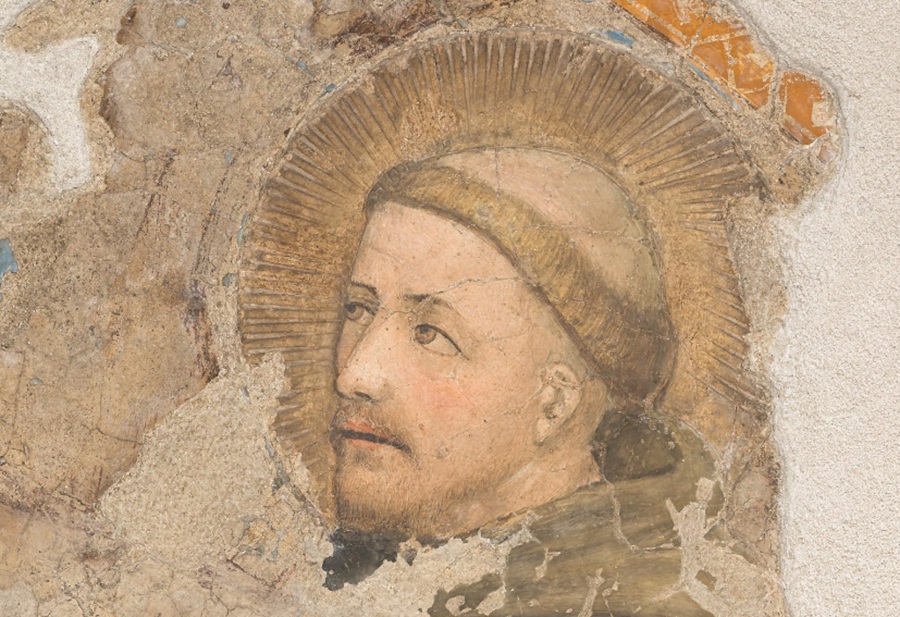
The exhibition focuses on the period between the late 13th and early 14th centuries, when the influence of Francis intersected with Giotto’s artistic innovation. This moment marked a shift away from the stylised Byzantine tradition towards a more naturalistic approach to painting, characterised by depth, emotion and human expression.
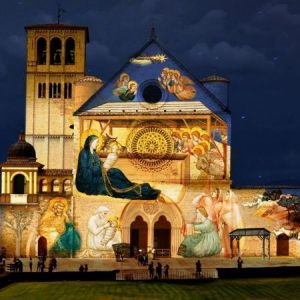
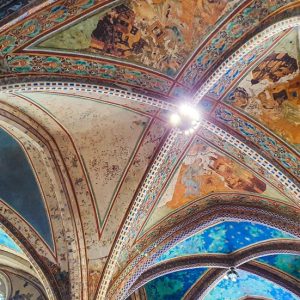
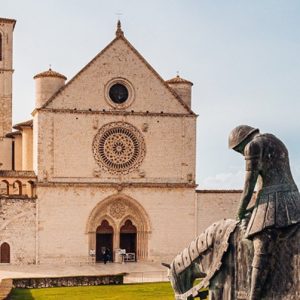
At the centre of this transformation was Assisi, where Giotto worked on the decoration of the Basilica of Saint Francis. His fresco cycles, including scenes from the life of the saint, are considered a turning point in the development of Western art, introducing a new sense of space and physical presence.
Giotto masterpieces alongside Martini and Lorenzetti
The Perugia exhibition brings together more than 60 works, including masterpieces attributed to Giotto as well as paintings by other leading figures of the period such as Simone Martini and Pietro Lorenzetti. These artists contributed to the evolution of a new visual language, combining narrative clarity with emotional intensity.
Among the highlights are major panel paintings such as the Madonna of San Giorgio alla Costa and the Badia Polyptych, which illustrate Giotto’s early development and influence. Works by contemporaries and followers from across Umbria will also be displayed, offering a broader view of how this artistic shift spread throughout the region.
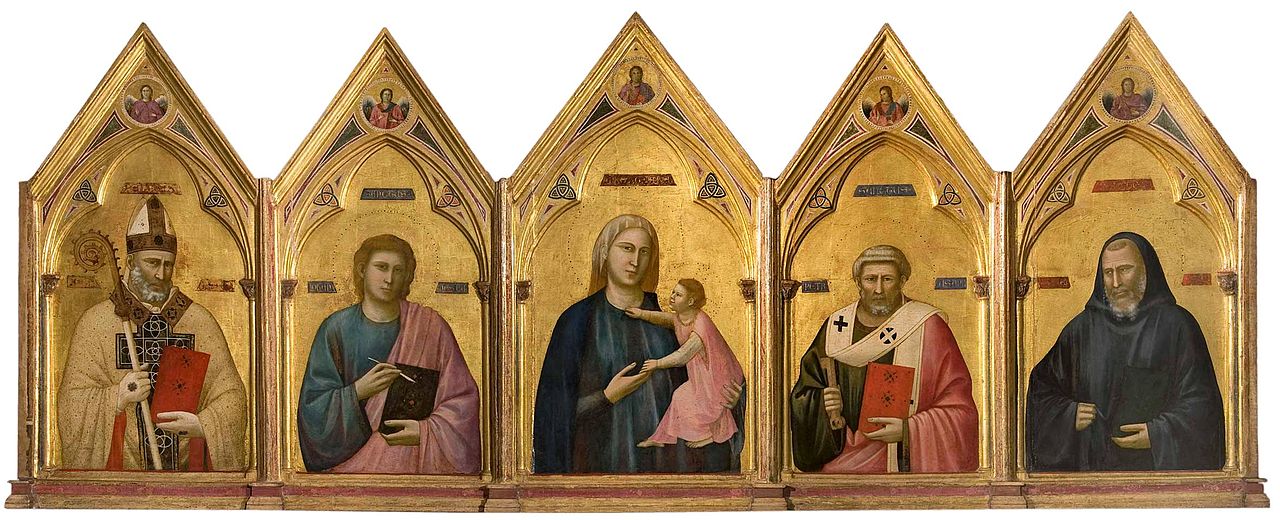
The exhibition is organised into eight sections and includes rare loans, reconstructed works and pieces that have not previously been shown to the public. It also aims to shed light on lesser-known local masters who played a role in this period of innovation.
Beyond the gallery, the initiative extends across the region. A parallel programme titled “The Canticle and Creation” will feature guided tours, lectures and cultural events linked to sites associated with Saint Francis, including hermitages, churches and rural sanctuaries.
The project has been awarded the Medal of the President of the Republic and involves collaboration between national institutions, local authorities and religious organisations. It also coincides with renewed national recognition of Saint Francis, including the reinstatement of 4 October as a public holiday.