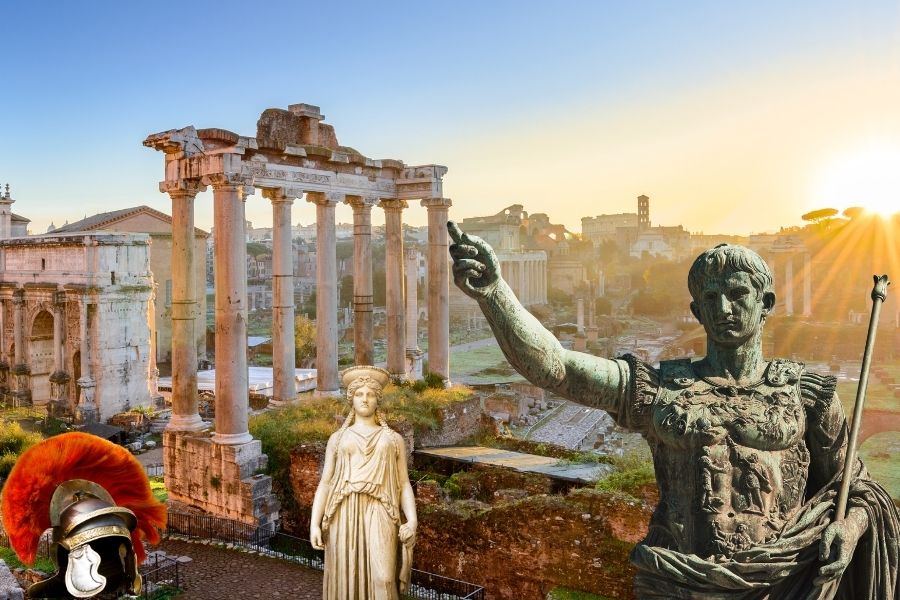
A high-level overview of the empire that shaped Italy and Europe. The Roman Empire was one of the most powerful and influential states in world history. At its height, it controlled vast territories across Europe, North Africa and the Middle East, shaping politics, law, language and culture for centuries.
Beginning in 27 BC and lasting in the west until AD 476, the empire emerged from the earlier Roman Republic and transformed Rome into the centre of a vast imperial system. Its legacy remains visible today across Italy and beyond, from ancient ruins to legal systems and languages.
This guide explains what the Roman Empire was, how it developed, and why it continues to influence modern Europe.
When was the Roman Empire?

The empire was the period in ancient Roman history when Rome was ruled by emperors rather than elected republican officials. It began when Augustus, the adopted heir of Julius Caesar, became the first emperor in 27 BC after years of civil war that ended the Roman Republic.
Under imperial rule, Rome expanded into one of the largest empires ever seen, controlling territory from Britain to Egypt and from Spain to modern-day Iraq.
Key features of the Roman Empire included:
- rule by an emperor
- a highly organised army
- extensive road networks
- a shared system of law
- Latin as the administrative language in the west
The empire became the political, military and economic centre of the Mediterranean world.
How long did the Roman Empire last?
Historians generally date the Roman Empire from 27 BC to AD 476 in the western Mediterranean.
Important milestones include:
- 27 BC – Augustus becomes the first Roman emperor
- AD 117 – the empire reaches its greatest territorial extent
- AD 284 – administrative reforms begin under Diocletian
- AD 330 – Constantinople becomes the eastern capital
- AD 476 – the last western emperor is deposed
The eastern half of the empire continued for nearly another thousand years as the Byzantine Empire.
How did the Roman Empire begin?
The empire emerged from a long political crisis in the Roman Republic. In the 1st century BC, powerful generals such as Julius Caesar gained influence through military success and personal loyalty from their armies. After Caesar was assassinated in 44 BC, Rome entered another period of civil war.
His adopted son Octavian defeated his rivals, including Mark Antony and Cleopatra, in 31 BC. In 27 BC the Senate granted Octavian the title Augustus, marking the start of imperial rule.
Although republican institutions continued to exist, real power was now concentrated in the emperor.
How large was the Roman Empire?
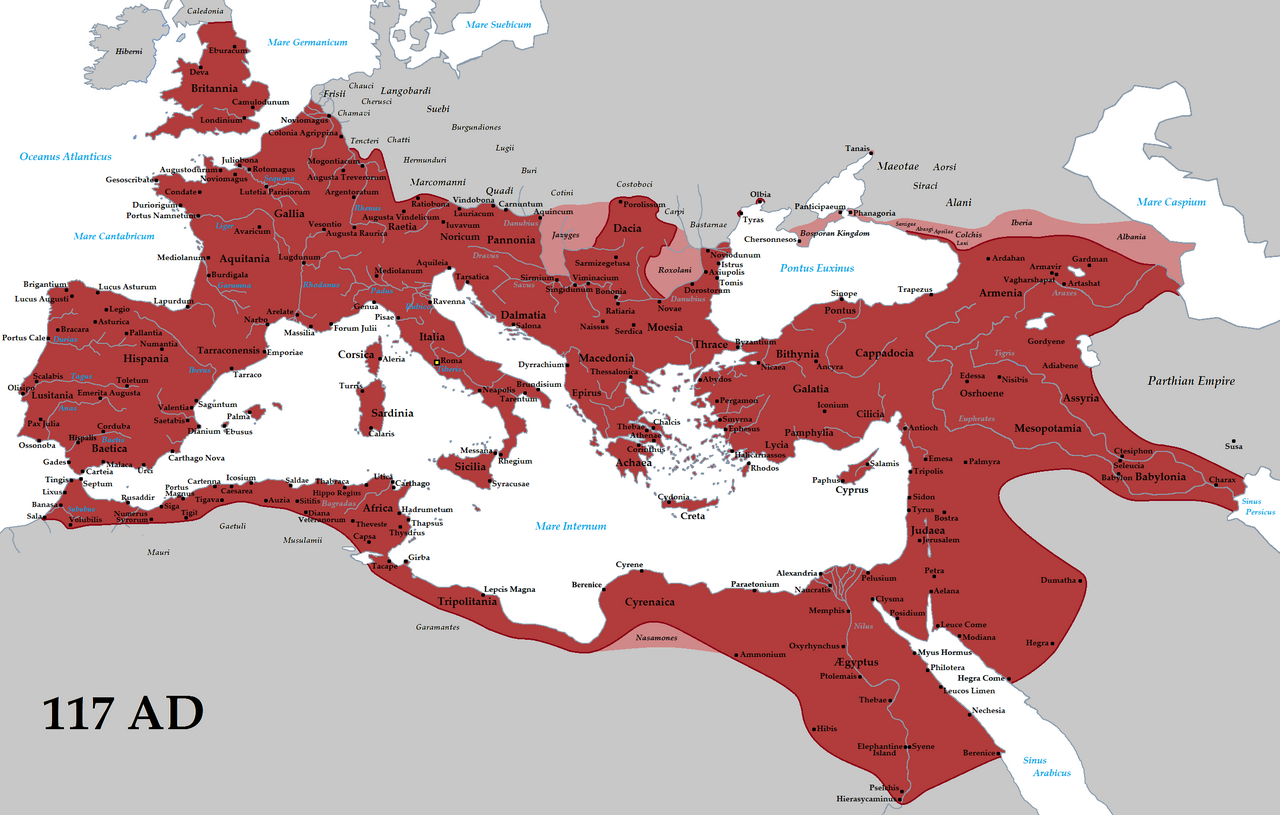
At its peak in the 2nd century AD, the empire covered around 5 million square kilometres. It included territories that are now part of more than 40 modern countries.
Major regions of the empire included:
- Italy
- Gaul (modern France)
- Hispania (Spain and Portugal)
- Britannia (Britain)
- North Africa
- Greece and the Balkans
- Anatolia (Turkey)
- the Levant and Egypt
The empire surrounded much of the Mediterranean Sea, which the Romans called Mare Nostrum, meaning “our sea”.
How was the Roman Empire governed?
The emperor was the central authority, but the empire relied on a complex administrative structure. Key elements included:
The Emperor
The emperor commanded the army, controlled foreign policy and held ultimate authority over government.
The Senate
Although its power declined after the Republic, the Senate still played an advisory and administrative role.
Provincial Governors
Roman provinces were governed by officials appointed by the emperor or Senate, responsible for taxation, law and order.
The Roman Army
The military was crucial for maintaining imperial authority and defending borders. Roman legions were stationed throughout the empire and also helped build infrastructure such as roads and forts.
Roman society and culture
The Roman Empire was a diverse society with many languages, cultures and religions. It was governed through different cultural and formal elements.
Cities were centres of administration, trade and culture. Rome itself became the largest city in the ancient world. As the empire was spread across such a vast area, excellent infrastructure was needed to keep trade flowing and prevent insubordination.
The Romans built extensive networks of roads, aqueducts and ports. These were controlled through the Roman legal principles which went on to influence modern legal systems across Europe.
Traditional Roman religion existed alongside local traditions. Christianity later became dominant after the 4th century.
Why did the Roman Empire decline?
Historians identify many factors that contributed to the fall of the western empire. These include:
- political instability and frequent changes of emperors
- economic problems and inflation
- military pressures on the empire’s borders
- internal divisions and administrative difficulties
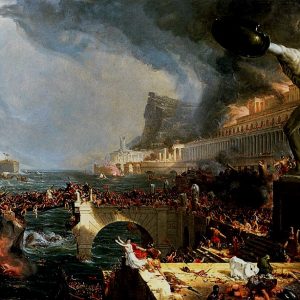
In AD 476 the Germanic leader Odoacer deposed the last western emperor, Romulus Augustulus, traditionally marking the end of the Western Roman Empire.
The Eastern Roman Empire
While the western empire collapsed, the eastern half continued. Based in Constantinople, this state is known today as the Byzantine Empire.
It preserved Roman law, administration and culture for nearly a millennium until the city fell to the Ottomans in 1453.
The legacy of the Roman Empire
The Roman Empire had a profound influence on Europe and the Mediterranean world. Its legacy includes the spread of Latin, which evolved into languages such as Italian, French and Spanish. The empire shaped the political and cultural foundations of modern Europe. Its ideas about government, citizenship, law and infrastructure influenced centuries of European history and remain visible in contemporary society.
Political concepts such as citizenship began during the Roman Empire and continue as key policies in Western democracies. Christianity’s development within the empire allowed for the religion to take hold and spread across Europe and northern Africa.
Understanding the Roman Empire helps explain not only the history of Italy, but the wider development of Western civilisation.
Visiting Roman Empire sites in Italy and beyond
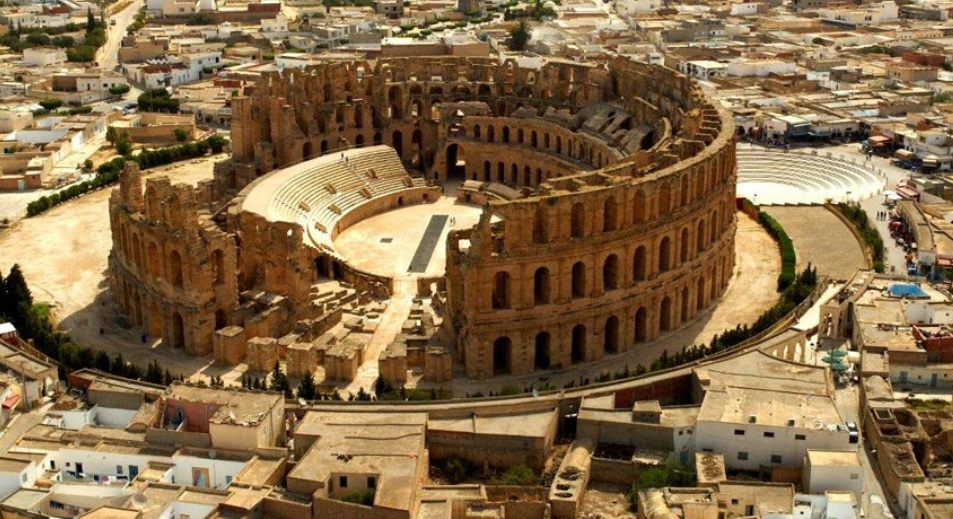
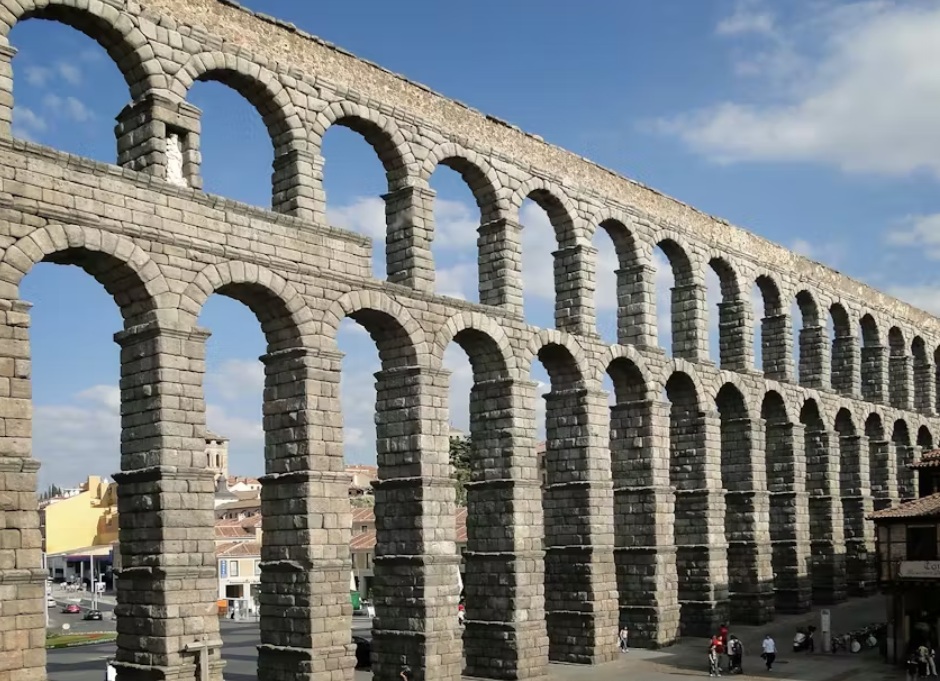
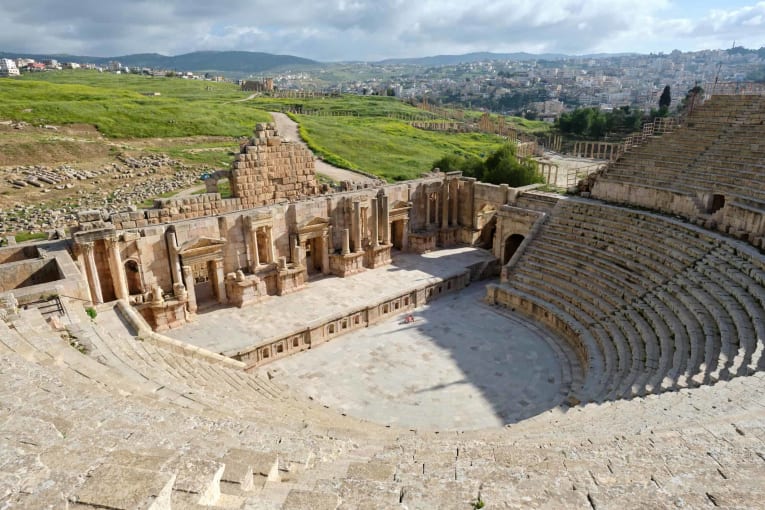
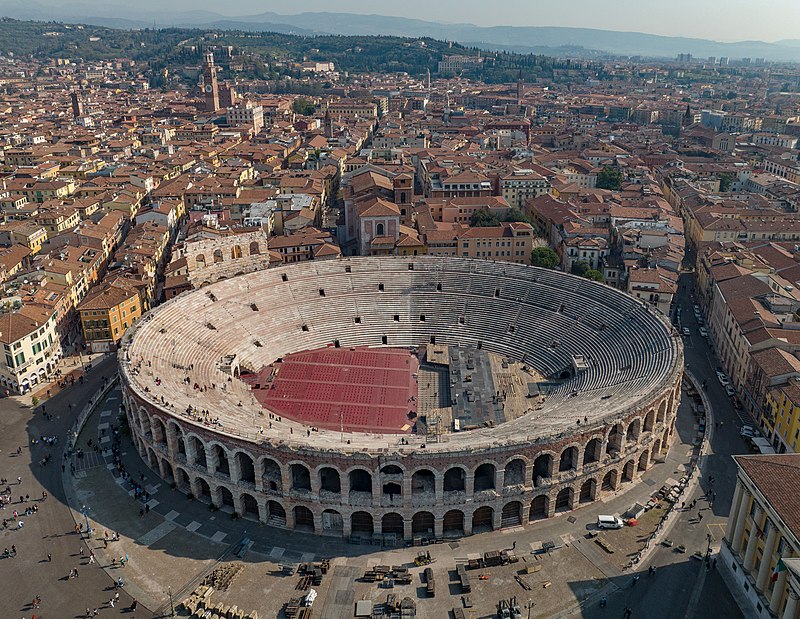


Italy contains some of the most important surviving monuments of the Roman Empire. Major locations include:
- Rome – including the Colosseum, Forum and Pantheon
- Pompeii and Herculaneum near Naples
- the Roman Arena in Verona
- Hadrian’s Villa near Tivoli
These sites provide insight into daily life, architecture and urban planning in the ancient world.
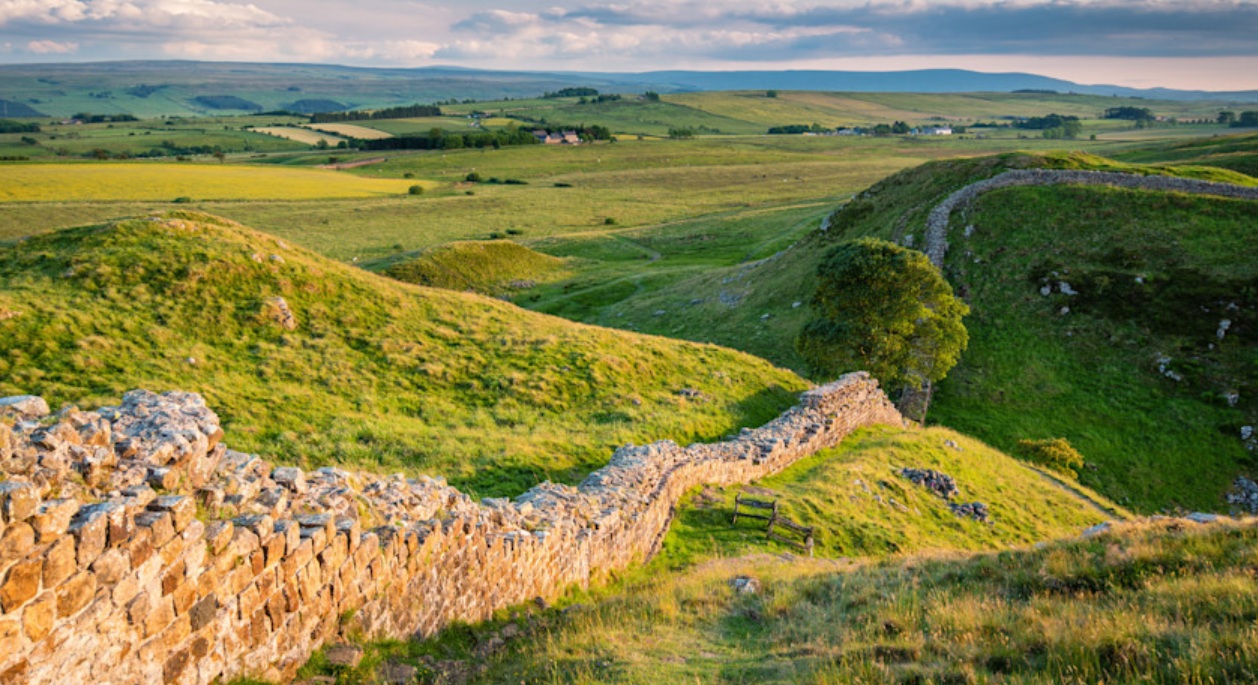
However, it is not just in Italy where the Roman presence can be felt. In Britain, Hadrian’s Wall is a physical reminder of the western limit of the empire. The colosseum in El Djem Tunisia is a fantastic example of cultural expansion. Roman engineering is evident in the aqueducts of Segovia (Spain), Pont du Gard (France) and the exceptionally well-preserved city of jeras in Jordan.