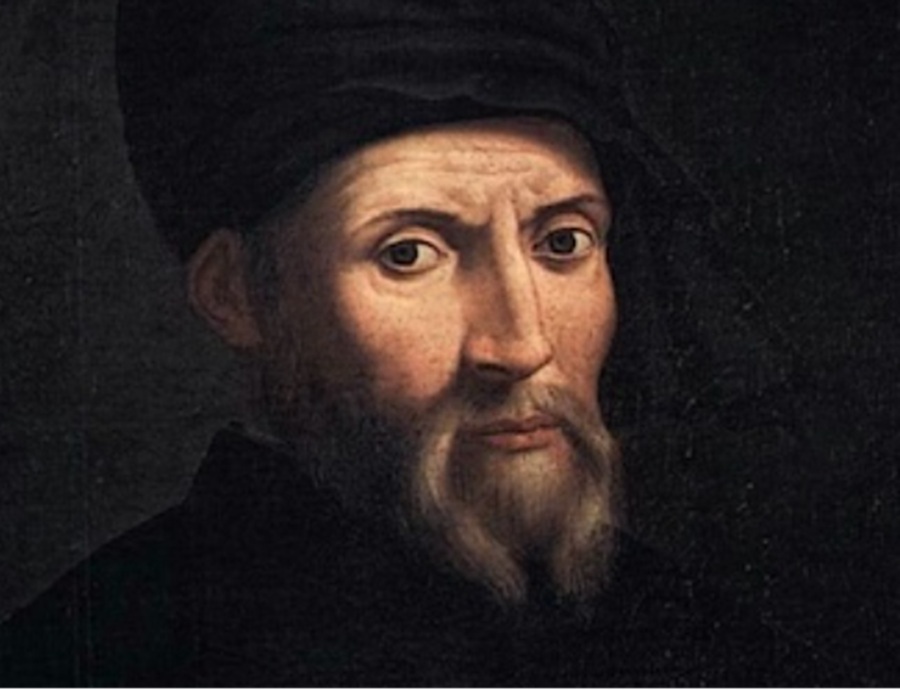
Early Renaissance sculptor Donatello died on 12th December, 1466 in Florence. More than five centuries later, his works remain central to Italy’s artistic heritage and are still visible across the country.
Born Donato di Niccolò di Betto Bardi around 1386, Donatello is widely regarded as the greatest sculptor of the 15th century. He played a decisive role in moving European sculpture away from Gothic stylisation and towards naturalism, realism and emotional expression rooted in classical antiquity.
Early training and artistic influences
Donatello trained initially as a goldsmith, before working in the studio of Lorenzo Ghiberti during the creation of the Baptistery doors in Florence. He developed a deep interest in classical sculpture and anatomy, often travelling to Rome with architect Filippo Brunelleschi to study ancient ruins.
Brunelleschi’s influence is clear in Donatello’s use of proportion, perspective and spatial realism. Their shared interest in classical principles helped shape the early Renaissance visual language.
Florence: saints, heroes and innovation
Many of Donatello’s most important works remain in Florence. His marble statues of St Mark and St George, created for the exterior niches of Orsanmichele, mark a turning point in sculpture. The figures stand with weight shifted naturally, conveying confidence and inner life rather than rigid formality.
St George, now preserved in the Museo Nazionale del Bargello, is particularly celebrated for its psychological intensity. The saint’s alert expression and firm stance convey readiness and moral strength.
Another major innovation appears in Donatello’s reliefs. In works such as The Feast of Herod, also in the Bargello, he perfected schiacciato, a very shallow carving technique that creates an illusion of deep space. This approach influenced generations of sculptors and painters.
David and the revival of the nude

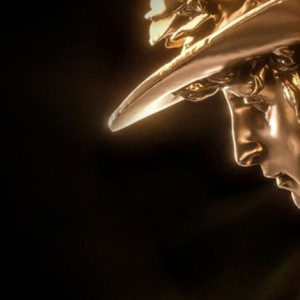
Donatello created two statues of David. The earlier marble version is now in the Bargello, while the later bronze David is one of his most famous works. Cast around the 1440s, the bronze David was the first free-standing nude sculpture since antiquity.
Unlike heroic classical models, Donatello’s David is youthful, slender and introspective. The work challenged artistic conventions and remains one of the most discussed sculptures of the Renaissance.
Padua and the Gattamelata

In 1443 Donatello moved to Padua, where he produced one of his greatest achievements: the bronze equestrian statue of Gattamelata. The monument stands in front of the Basilica of Sant’Antonio and remains in its original location.
The statue portrays the military commander Erasmus da Narni, known as Gattamelata. Donatello depicted horse and rider at life size, rejecting the exaggerated scale of ancient imperial monuments. The figure recalls Roman emperors but conveys controlled authority rather than triumphalism. It set the standard for later equestrian statues across Europe.
Altars, Madonnas and devotional art
While in Padua, Donatello also worked on the high altar of the Basilica of Sant’Antonio. Though later dismantled, its surviving sculptures and reliefs show a dramatic, expressive style marked by strong movement and emotional force.
Back in Florence, Donatello produced numerous Madonna and Child reliefs, many now in the Bargello, the Museo dell’Opera del Duomo and other Italian collections. These intimate works combine tenderness with human realism and were widely copied by later artists.
Final years and San Lorenzo

Donatello’s last major commission was the bronze pulpits for the Basilica of San Lorenzo in Florence. The reliefs depict scenes from Christ’s Passion with intense drama and emotional rawness. Their rough surfaces and crowded compositions reflect a late style focused on spiritual depth rather than ideal beauty.
Donatello died in 1466 while the project was still underway. He was buried in San Lorenzo, close to the Medici patrons who supported much of his career.