
On this day in history: Emperor Caracalla died
Marcus Aurelius Antoninus, also known as Caracalla, was a Roman emperor who ruled from 198 to his death on 8th April 217 AD.
Continue Reading
Marcus Aurelius Antoninus, also known as Caracalla, was a Roman emperor who ruled from 198 to his death on 8th April 217 AD.
Continue Reading
Dante Giacosa, often referred to as ‘the father of the Cinquecento,’ passed away on 31st March 1996 at the age of 91. His contributions to automobile engineering, particularly during his tenure at Fiat, left an indelible mark on the automotive industry.
Continue Reading
In 1309, the lagoon city faced a crisis as Pope Clement V excommunicated Venice due to its dispute over Ferrara’s political control.
Continue Reading
Virginia Oldoini, famously known as “La Castiglione”, was not merely a woman of breathtaking beauty but also a figure of significant influence in the political and cultural spheres of her time.
Continue Reading
In the annals of history, few events have reverberated through the ages quite like the assassination of Julius Caesar. This pivotal moment, which occurred on 15th March, 44 BCE, not only marked the end of an era but also set the stage for profound political upheaval in ancient Rome.
Continue Reading
On February 26, 1815, Napoleon, accompanied by a small band of loyal followers, embarked on his daring escape from Elba.
Continue Reading
On this day in history, 25th February 1682, marked the birth of one of the most influential figures in medical history: Giovanni Battista Morgagni. Renowned as the “Father of Pathological Anatomy,” Morgagni’s groundbreaking work revolutionised our understanding of human anatomy and laid the foundation for modern medicine.
Continue Reading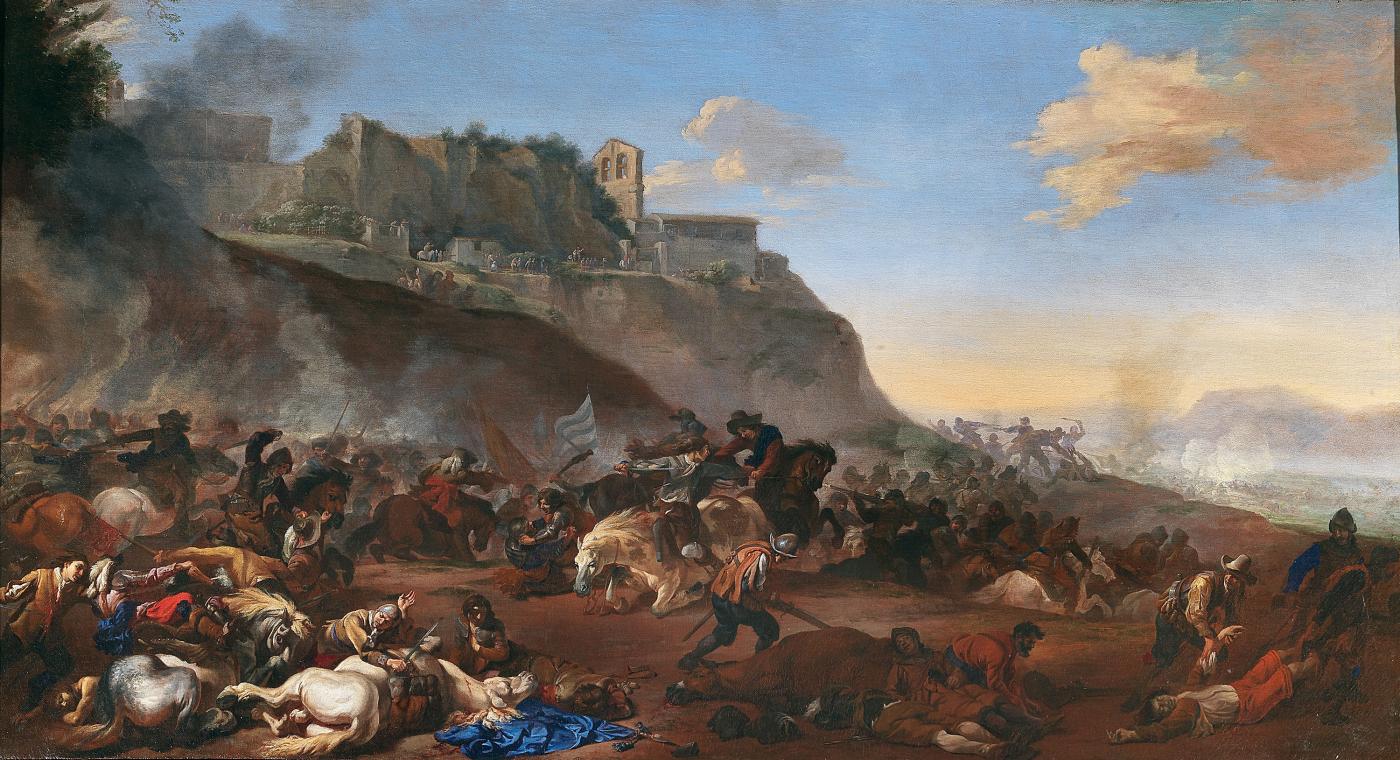
Michelangelo Cerquozzi, often dubbed ‘Michelangelo delle Battaglie’ for his prowess in depicting battle scenes, was a celebrated Italian Baroque painter born on February 12th, 1602, in Rome.
Continue Reading
In the heart of Venice, La Fenice Opera House was a cultural symbol until a fire struck on January 29, 1996. Named after the mythical phoenix, the building would once again have to rise from the ashes.
Continue Reading
Simonetta Vespucci is thought to have been born on this day in 1453, as Simonetta Cattaneo to a Genoese family. She became the embodiment of female perfection and a muse for renowned artists in Florence during the mid-15th century.
Continue Reading