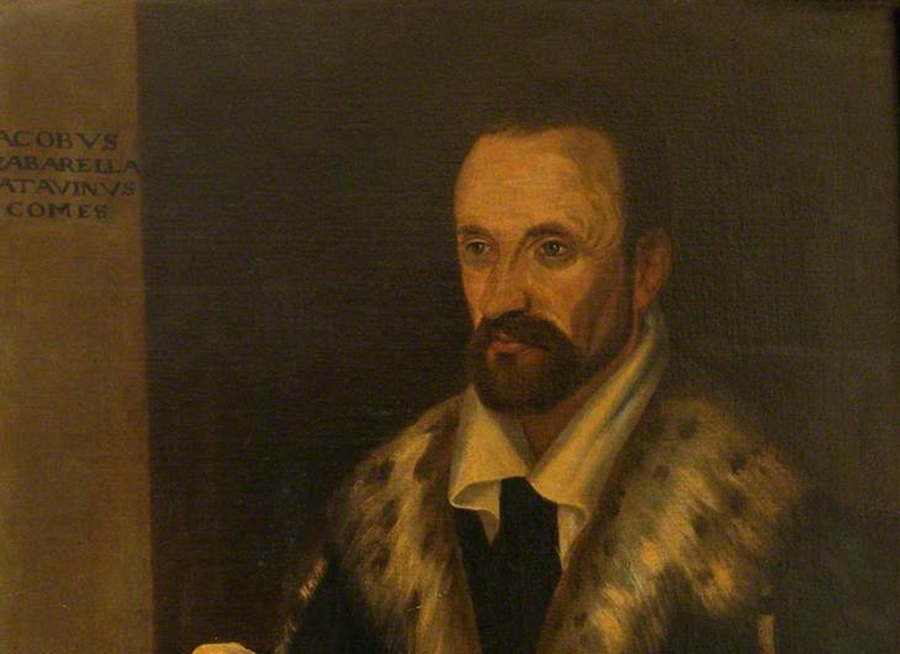
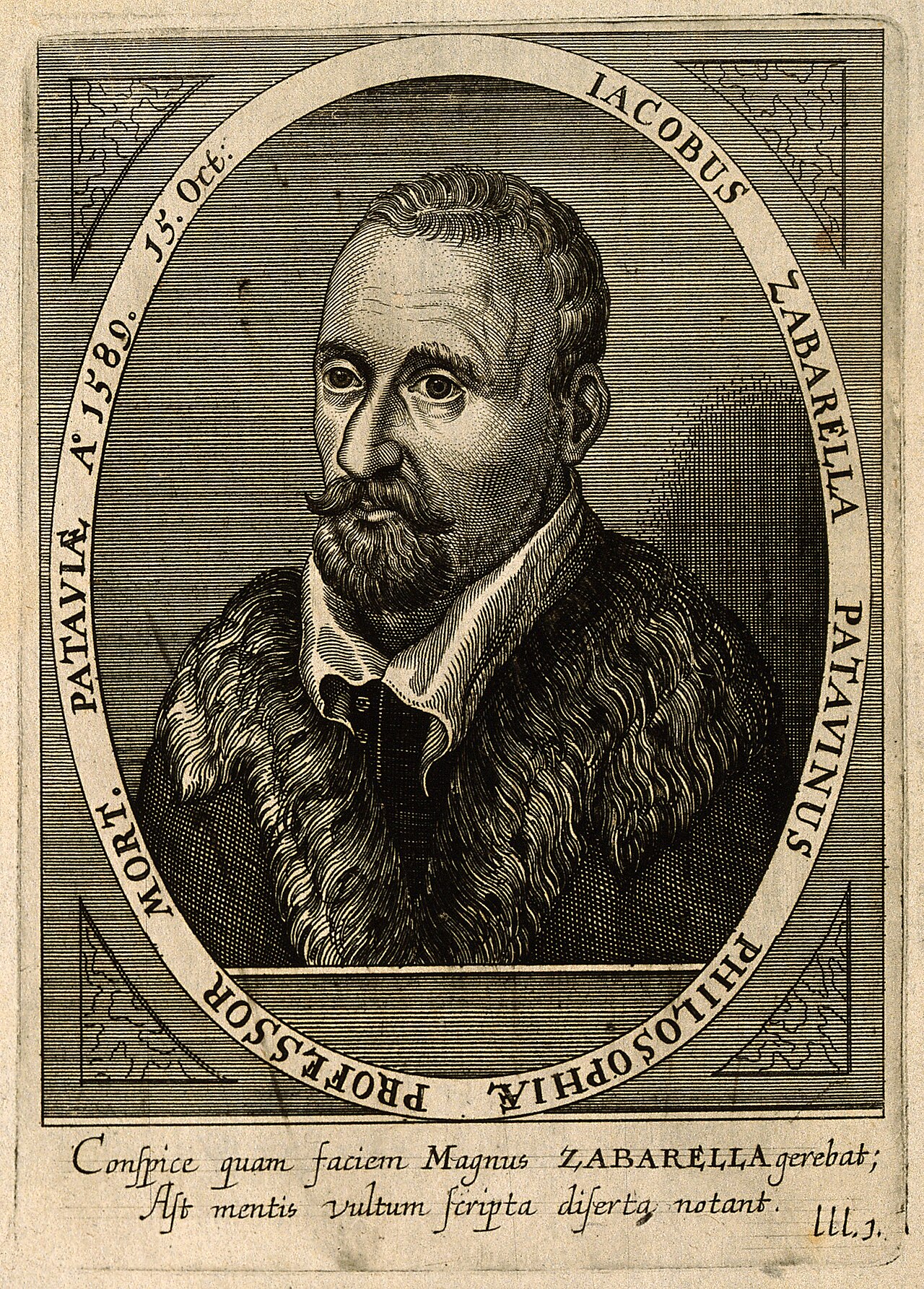
Giacomo Zabarella, the leading figure of Renaissance Aristotelianism, was born on 5th September 1533 in Padua, in Veneto. The Renaissance scholar’s mastery of Greek allowed him to champion what he believed was the true meaning of Aristotle’s ideas.
Born into a noble Paduan family, Zabarella was given a humanist education from an early age. His command of ancient Greek would later allow him to work directly from Aristotle’s original texts, and he went on to spend most of his life setting out what he regarded as their true meaning.
Padua and its Aristotelians
Zabarella entered the University of Padua, where he studied under some of the leading Aristotelian scholars of the age: Francesco Robortello in the humanities, Bernardino Tomitano in logic, Marcantonio Genua in physics and metaphysics, and Pietro Catena in mathematics.
He earned a doctorate in philosophy from the university in 1553. He was appointed to the Chair of Logic in 1564 and, in 1577, was promoted to the university’s first extraordinary chair of natural philosophy. Zabarella spent his entire teaching career at Padua, where he built a reputation for his work on logic and methodology.
As a committed Aristotelian, Zabarella worked to defend the scientific standing of theoretical natural philosophy against the growing influence of practical disciplines such as medicine and anatomy. His fluency in Greek meant he could draw not only on Aristotle himself but on the ancient Greek commentators and medieval writers who had grappled with his work.
Major works
Zabarella’s first published work, Opera Logica, appeared in 1577, followed in 1582 by his commentary on Aristotle’s Posterior Analytics.
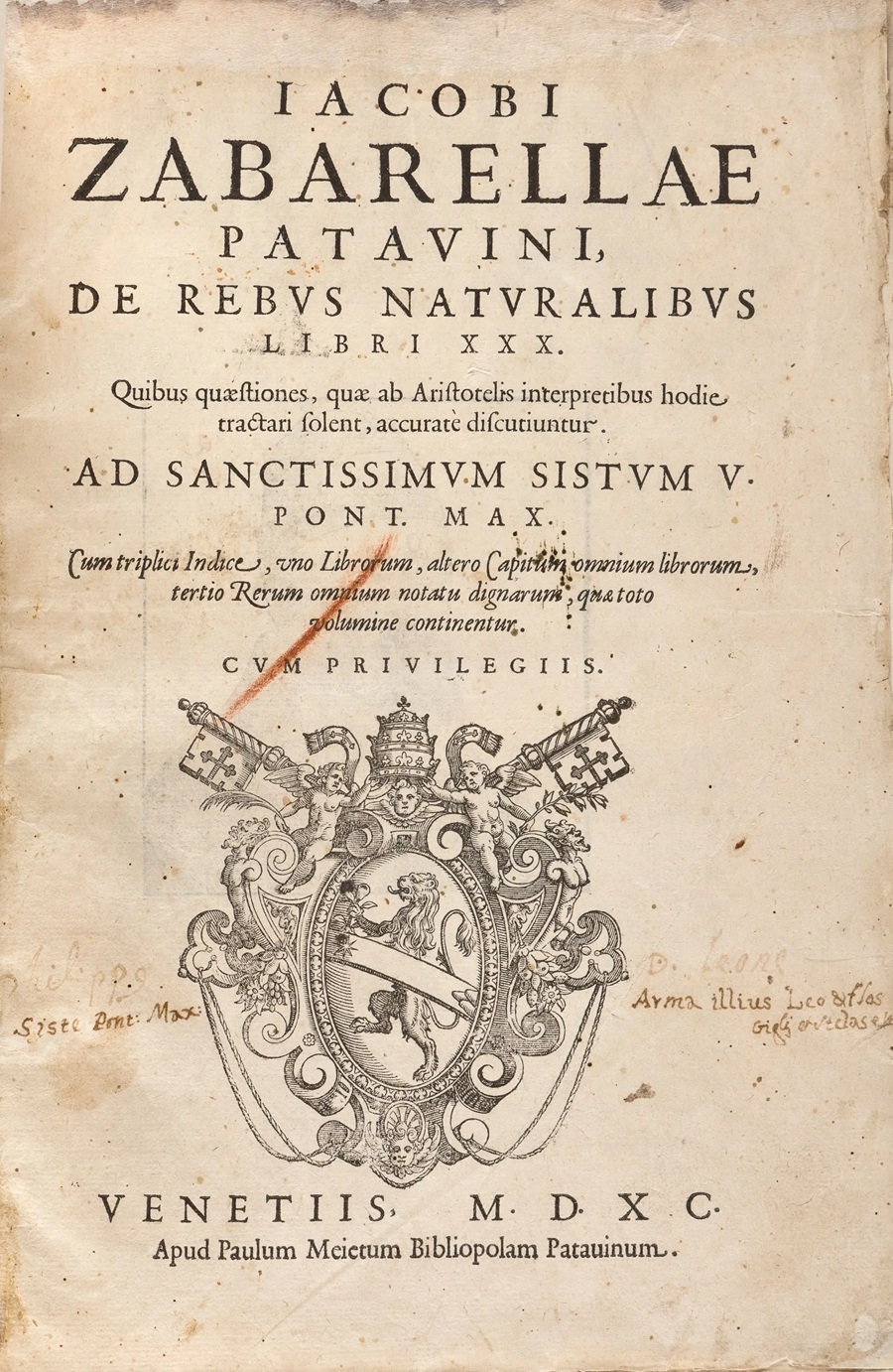
He died in Padua in 1589, at the age of 56. His most significant work on natural philosophy, De rebus naturalibus, was published posthumously the following year. It brought together 30 treatises on Aristotelian natural philosophy, along with an introduction he had written only weeks before he died. His two sons later edited and published his unfinished commentaries on Aristotle’s texts.
Zabarella’s works found a strong following in Germany in the early 17th century, particularly among Protestant Aristotelians, and were reprinted there in the decades after his death.