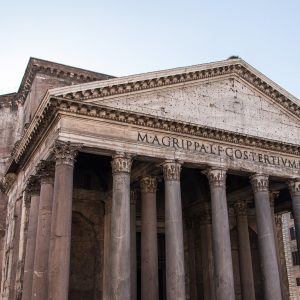
The cost of visiting the Pantheon in Rome, one of the ancient world’s best-preserved monuments, will rise to €7 from 1 July. This comes under a new agreement between Italy’s Ministry of Culture and the Diocese of Rome.
Tourists visiting Rome’s Pantheon will pay a little more from this summer, after Italy’s Ministry of Culture announced that the standard entry fee will increase from €5 to €7, effective 1 July 2026.
The rise follows an updated agreement between the Ministry and the Diocese of Rome — the two institutions that jointly oversee the monument. The pantheon functions both as a major heritage site and as an active place of worship, formally known as the Basilica of Santa Maria ad Martyres.
The additional €2 per ticket will not simply disappear into government coffers. Under the terms of the new framework, the revenue will be channelled into the Olivetti Plan for Culture. The plan’s funds go towards community libraries and artistic initiatives in disadvantaged inland communities. The plan is an attempt to convert the footfall of millions of Roman tourists into tangible investment for some of Italy’s most overlooked regions.
How the money is used
The basic financial structure established when ticketing was first introduced in 2023 remains in place. The Ministry retains 70% of proceeds, with the Diocese of Rome receiving the remaining 30% to cover liturgical and maintenance costs. The 2026 update refines the framework rather than overhauls it, linking the revenue mechanism more explicitly to a broader cultural strategy.
The Pantheon attracted around 4.5 million visitors in 2025, making it one of Italy’s most-visited cultural sites, and the economics of even a modest price increase are significant at that scale.
Who pays, who doesn’t
The increase applies to adult tourists. The existing exemptions do not change. Entry remains free for residents of Rome, visitors under 18, people with disabilities and their accompanying carers, and worshippers attending Mass. The reduced rate of €2 for EU citizens aged between 18 and 25 also remains the same.
Religious services continue to take place free of charge, with separate access arrangements from the ticketed tourist entry.
From March 2026, all tickets became strictly nominal. That means the name provided at the time of online booking must match the visitor’s identification document at the entrance.
Part of a wider pattern
The Pantheon increase is the latest move in Rome’s evolving approach to managing and monetising its extraordinary concentration of heritage sites. Earlier this year, the city introduced a €2 entry fee for tourists wishing to get close to the Trevi Fountain, a measure aimed at tackling chronic overcrowding at one of the world’s most visited landmarks. Five further Roman sites, previously free, also began charging tourists €5 from February.