Milan Linate, Bologna, Venice and Treviso have imposed emergency jet fuel limits, with Ryanair warning of potential summer flight cancellations if the Iran conflict persists.
Italy has become one of the first countries in the European Union to feel the direct aviation impact of the Iran war. Official Notices to Air Missions (NOTAMs) instruct airlines that jet fuel uplifts at Venice Marco Polo, Treviso, Bologna and Milan Linate airports would be rationed until at least 23:59 on 9 April.
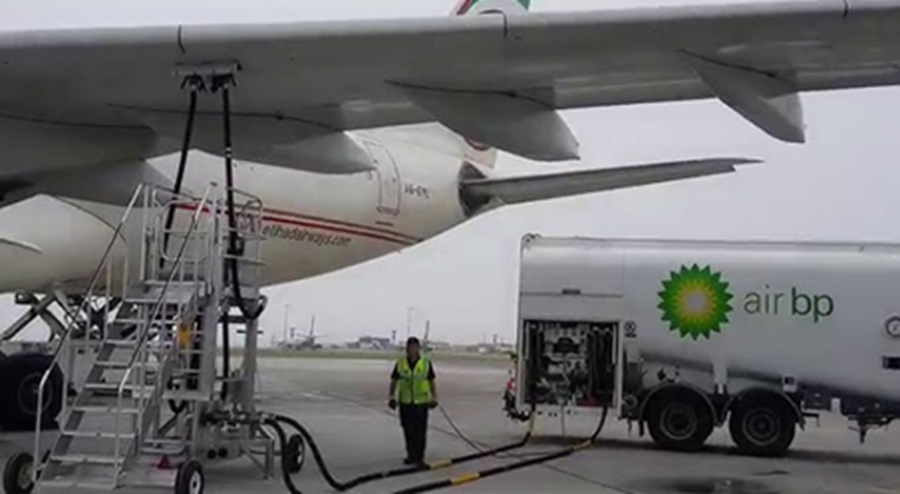
The restrictions, issued following an alert from Air BP Italia, the aviation division of the BP group, cite severe contraction in fuel stocks as the trigger. Official notices make clear that priority refuelling will be reserved for ambulance flights, state flights and any route with a duration exceeding three hours. For all other short-haul operations, a supply ceiling of 2,000 litres per aircraft has been imposed. This amount, according to technical calculations provided by pilots to Il Corriere della Sera, guarantees less than one hour of autonomy for aircraft such as a Boeing 737 or Airbus A320. Without prior refuelling at other airports, domestic routes such as those between Veneto and Sicily could not be served at all.
The Hormuz factor
The immediate trigger for Italy’s aviation fuel squeeze is being linked by analysts to the broader energy shock following the Iran conflict and the closure of the Strait of Hormuz to normal tanker traffic. The blockade has forced oil tankers to reroute around the Cape of Good Hope, adding approximately 10 to 14 days to delivery schedules and significantly increasing costs.
Corriere della Sera reports that the last tanker loaded with kerosene from the Persian Gulf is due to arrive in Europe on 9 April, the same date as the current restriction deadline, raising questions about what follows. Lufthansa has confirmed to Die Welt that the pressure is already being felt in Asian markets, warning that the longer the Strait remains blocked, the more precarious kerosene supplies could become. The instability has already triggered record price increases, with fuel costs more than doubling in some markets.
Globally, the picture is stark. Jet fuel prices have surged 85% in the US since the day before the war began in February, hitting a record high, while average airfares have reached their highest point since at least 2019.
Reassurances and caveats
Despite the alarm, the Save Group, which manages Venice and Treviso airports, clarified that the difficulties relate to a single operator and that alternative suppliers serve the majority of carriers across its airports. The company reiterated that no limitations apply to intercontinental or Schengen-area flights, and that operations remain guaranteed “without any alarmism.”
A similar tone came from San Francesco d’Assisi airport in Perugia, which confirmed to ANSA that security stocks are sufficient for a further three to four weeks.
Pierluigi Di Palma, president of civil aviation regulator ENAC, told Corriere della Sera that the situation is “under control,” though he noted that potential risks could emerge after April if supply pressures persist. The International Energy Agency has also stressed that there are currently no physical shortages of jet fuel or diesel in Europe at this moment, though its executive director warned the situation could change in coming weeks if disruption to Middle East flows continues.
The summer question
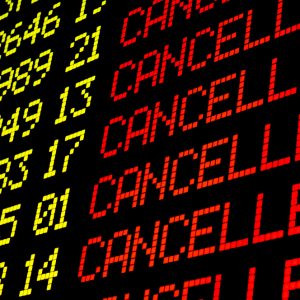
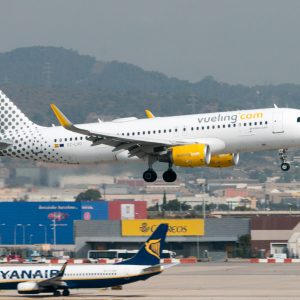
The more pressing concern for Italian travellers lies beyond Easter. Ryanair, Italy’s largest operator by seats, says its hedges cover fuel needs until at least mid-May, but warns that a prolonged Strait closure could force it to cancel 5% to 10% of summer flights. Many carriers entered the crisis with substantial fuel hedging in place, covering roughly 80% of 2026 requirements at pre-crisis prices. Physical availability, however, remains the greater long-term concern once existing stocks and the last pre-crisis shipments deplete around mid-April.
Italy currently holds around seven months of supply autonomy, but the fragility of the European supply chain remains the central issue for the months ahead. The potential consequences explain Meloni’s recent Gulf tour diplomatic mission.