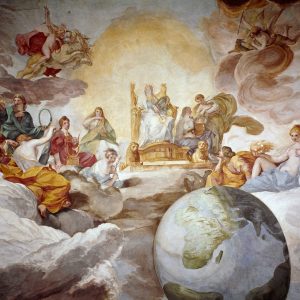
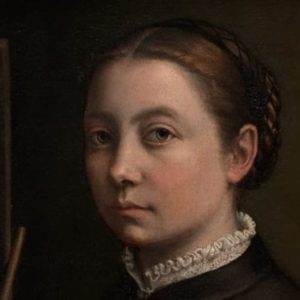
Pietro Novelli, widely regarded as the most important Sicilian artist of the 17th century, was born on 2nd March 1603 in Monreale, just outside Palermo.
A painter, architect and engineer, Novelli dominated Sicily’s artistic scene during the Spanish vice-royal period. At the height of his career, aristocratic families, religious orders and civic authorities competed to commission his work. His paintings remain central to the artistic heritage of Palermo and beyond.
From Monreale workshop to Sicilian fame
Novelli trained in the workshop of his father, also named Pietro, a respected artist and mosaicist. His early grounding in drawing and craftsmanship laid the foundations for a career that would combine technical precision with expressive power.
Eager to broaden his horizons, Novelli travelled extensively. In Sicily he studied the dramatic naturalism of Caravaggio, particularly the Adoration of the Shepherds painted in Messina. Caravaggio’s use of light and shadow left a lasting impression on the young artist.
He was also influenced by Anthony van Dyck, who had worked in Palermo in 1624. Van Dyck’s Madonna of the Rosary, in the Oratory of the Rosario di San Domenico, encouraged Novelli to soften his palette and adopt a more refined, elegant tone.
Further travels took him to Rome, where he absorbed Bolognese classicism and neo-Venetian influences, and to Naples, where he encountered the work of Caracciolo, Stanzione and Ribera. From Jusepe de Ribera he incorporated a powerful chiaroscuro that became a defining feature of his mature style.
Pietro Novelli Masterpieces
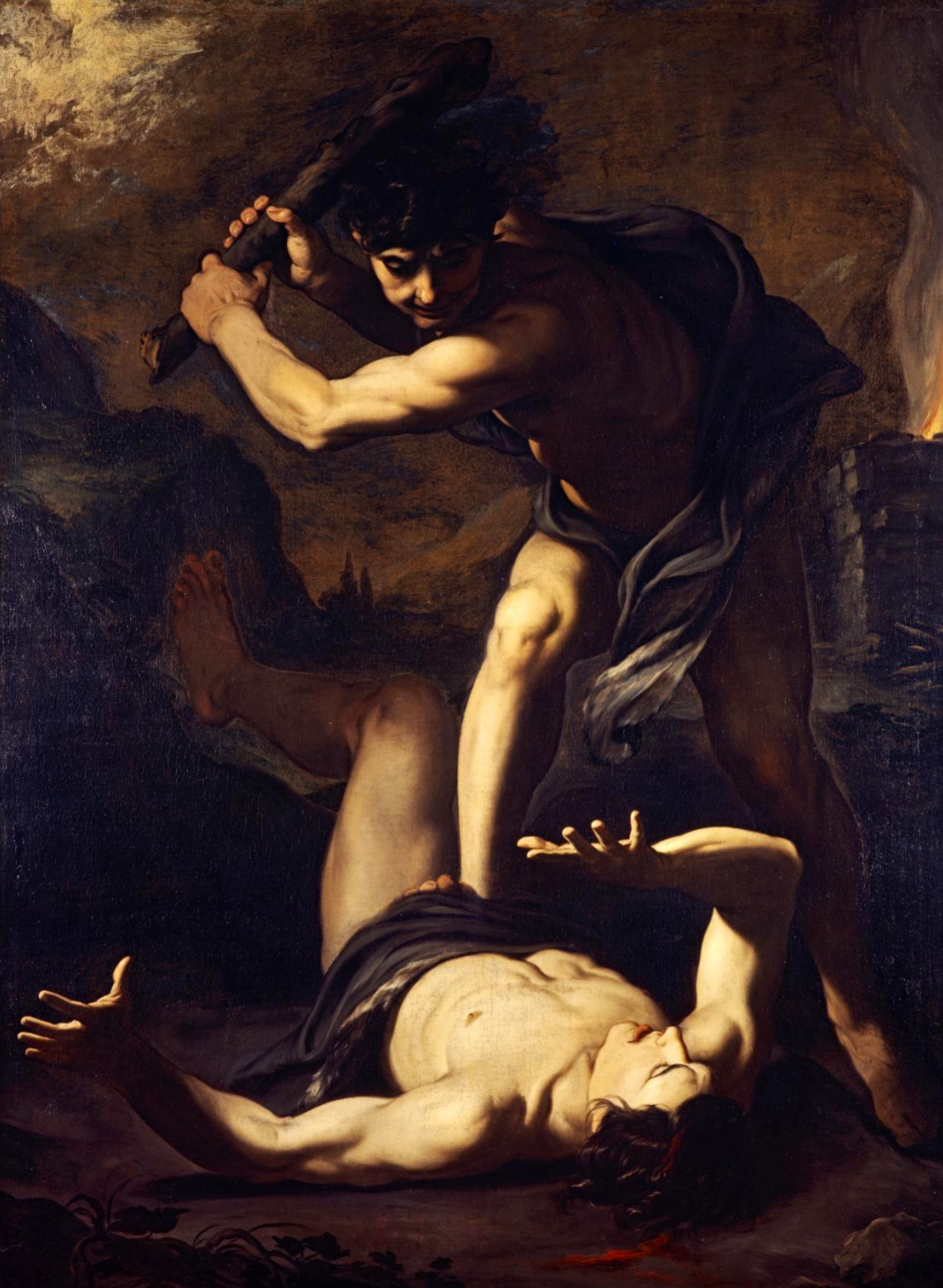
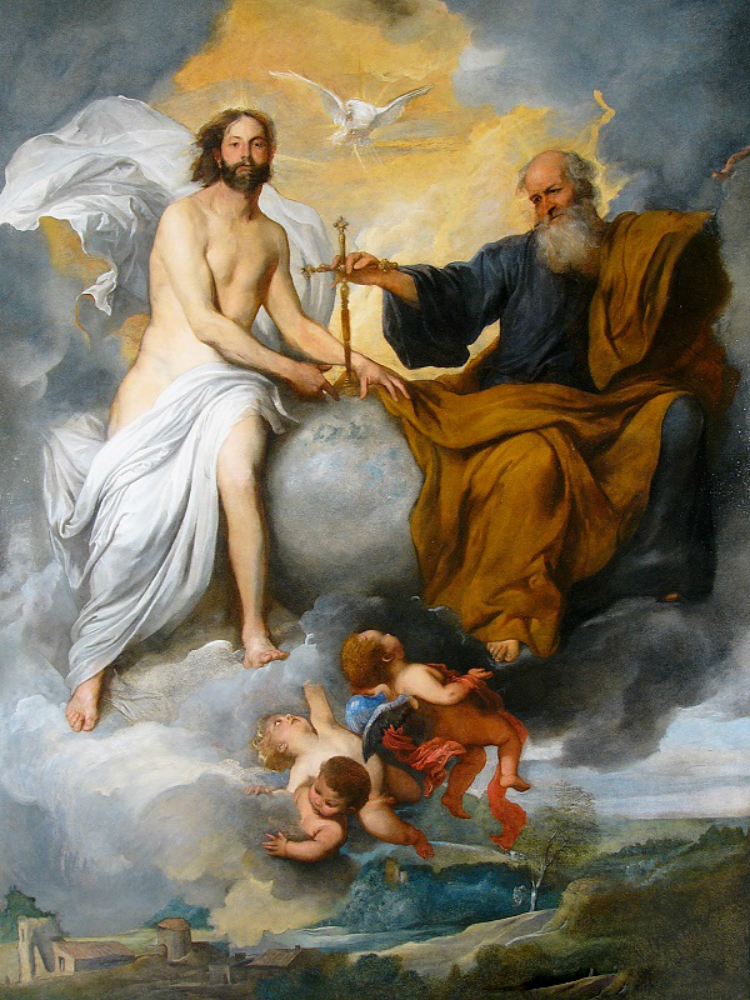


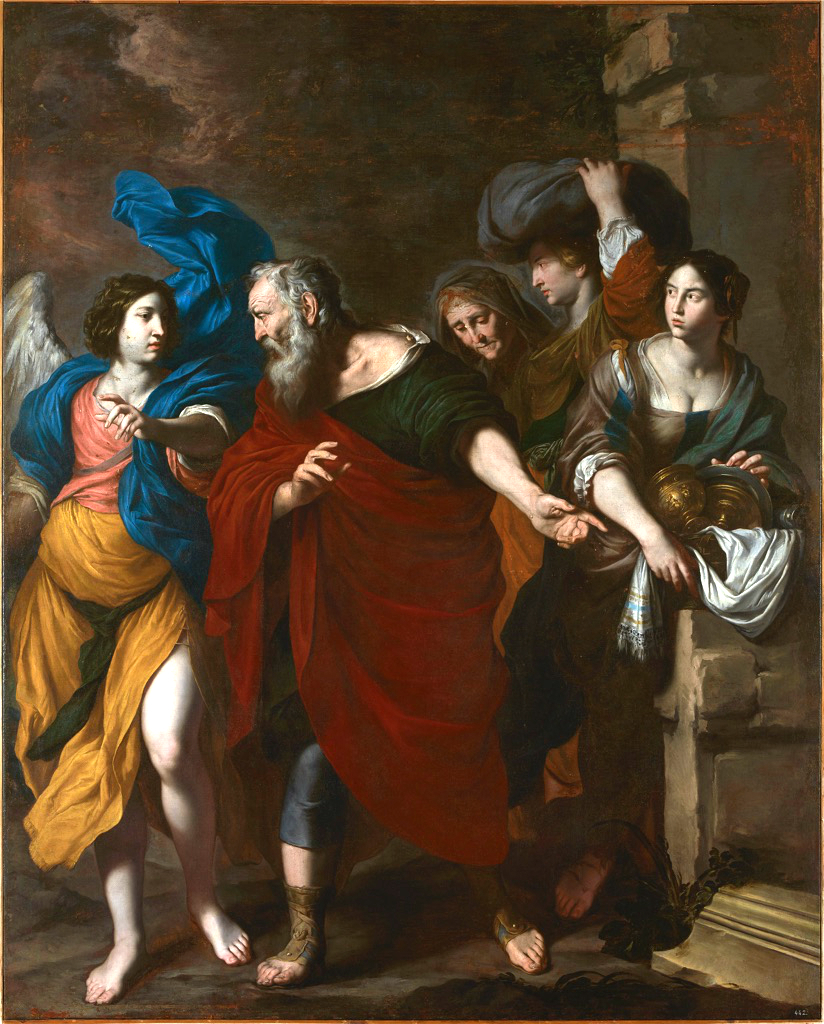
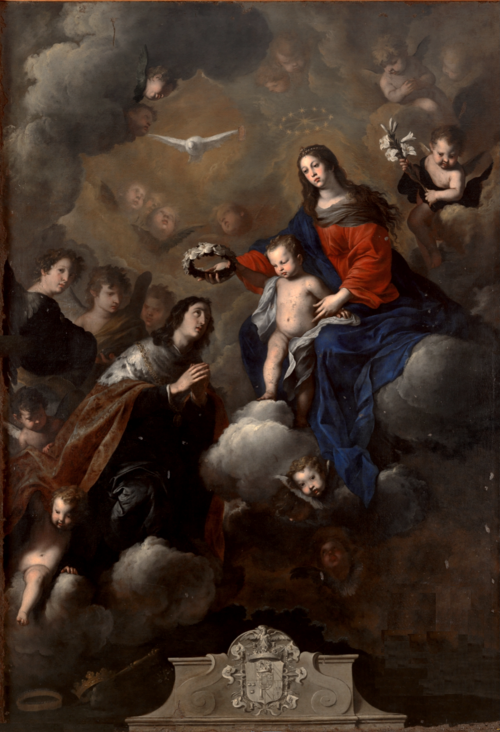
Novelli’s output was prolific. In Palermo, his canvases adorn churches and collections across the city. Beyond the capital, significant works can be found at Piana degli Albanesi, where he painted a fresco cycle in the cathedral of San Demetrio Megalomartire and an Annunciation in the church of Santissima Annunziata.
His Immaculate Conception is in the Civic Museum in Termini Imerese, while many other works remain in situ in monasteries and ecclesiastical buildings throughout western Sicily. His ability to combine spiritual intensity with compositional clarity made him the leading interpreter of Counter-Reformation art on the island.
Today, Novelli’s paintings are also held in major international institutions, including the Metropolitan Museum of Art, the J. Paul Getty Museum, the Hermitage Museum and the Museo del Prado.
Architect and civic figure
Novelli’s talents extended beyond painting. He designed jewellery and theatrical scenery, drew up plans for fortifications and undertook architectural projects, including work on the presbytery and apse of the cathedral in Piana degli Albanesi.
He also served as engineer and architect to the Senate of Palermo and was appointed engineer of the Kingdom under the Viceroy Count of Cabrera. For the viceroy’s ceremonial entry into Palermo in 1641, Novelli designed a triumphal arch.
Death in rebellion
Novelli’s life ended violently. In 1647, amid riots in Palermo against Spanish vice-royal authority he was killed during the uprising. His remains are in the cemetery of the Friars at San Domenico.
His death cut short a career that had shaped Sicilian Baroque art.