More than 28,000 sensitive targets across Italy are now under heightened security following US and Israeli strikes on Iran, and Tehran’s retaliation, the Interior Ministry confirmed on Monday.
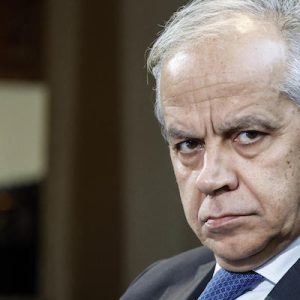
The measures were discussed at a meeting of the National Committee for Public Order and Security, chaired by Interior Minister Matteo Piantedosi at the Ministry of the Interior. The session was attended by the heads of Italy’s police and intelligence services.
According to officials, surveillance has been immediately strengthened at numerous locations, particularly those linked to countries involved in the conflict. The meeting focused on updating security protocols nationwide, with particular emphasis on prevention and control activities in light of the deteriorating international situation.
Authorities have not specified individual sites, but such “sensitive targets” typically include diplomatic missions, places of worship, transport hubs, military facilities and strategic infrastructure.
Energy concerns centred on Strait of Hormuz
The international crisis has also raised alarm over potential economic repercussions. Defence Minister Guido Crosetto warned of possible price shocks and sharp increases in transport costs if tensions affect energy flows.
Addressing a joint session of the Foreign Affairs and Defence Committees of the Chamber of Deputies and the Senate, Crosetto highlighted the strategic importance of the Strait of Hormuz.
“Twenty percent of the world’s oil, equivalent to 17–20 million barrels per day, and over 30% of global LNG trade passes through the Strait of Hormuz,” he said. “It is one of the main energy arteries of the international economic system.”
Even a partial disruption, or the perception of increased risk, could have an immediate impact on markets, he added, warning of higher insurance premiums and transportation cost increases of up to 30–40%.
Italy, like other European countries, remains heavily dependent on maritime energy routes, making stability in the Gulf region a matter of national economic interest.
Tajani: strikes aimed at removing ‘existential threat’
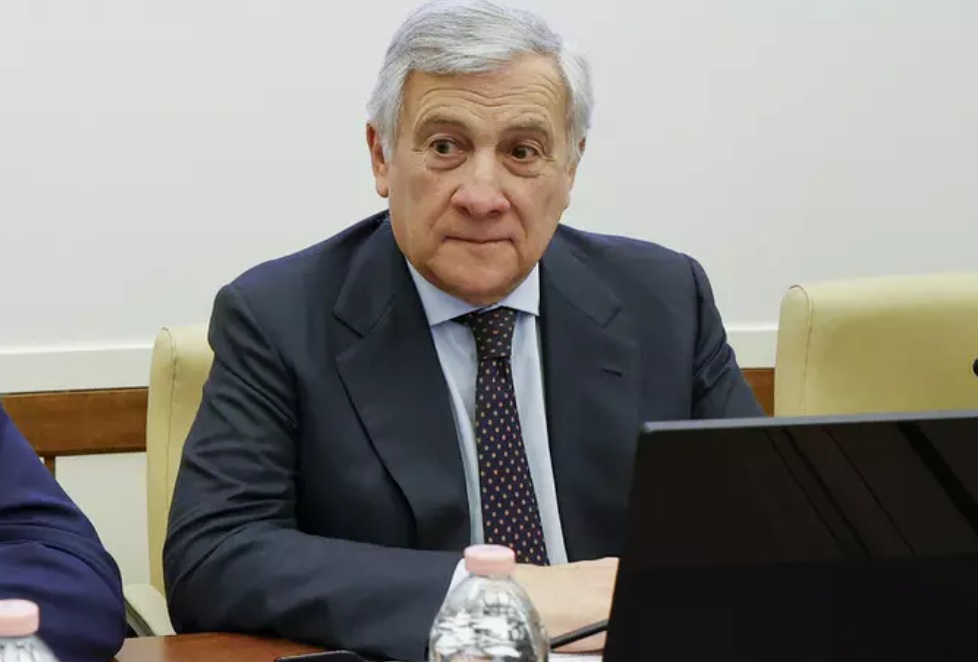
Deputy Premier and Foreign Minister Antonio Tajani told the same parliamentary session that the US and Israeli strikes were intended to eliminate what he described as a nuclear and missile threat posed by Tehran.
“The operation conducted by the United States and Israel could be a turning point for regional balances and, hopefully, pave the way for a new Middle East of peace, development and growth,” Tajani said.
He argued that the threat was not confined to the region. “This is an existential threat, as recent events have demonstrated, to the security not only of the entire region, but also of Europe,” he said.
At the same time, Tajani stressed that Italy continues to prioritise diplomacy. “We believe in diplomacy, even when it seems difficult. Even when it seems distant. Every crisis requires dialogue and negotiation,” he said. He further added that Rome would work “with clarity, determination and a sense of responsibility” to help bring about de-escalation.
Heightened alert, diplomatic engagement
While no direct threats against Italy have been announced, the scale of the surveillance operation underscores official concern over potential spillover effects, including retaliatory actions or unrest linked to the conflict.
The government’s approach combines reinforced domestic security measures with diplomatic outreach through European and international channels.
Further parliamentary briefings are expected as the situation evolves.