Lagoon water temperatures of 32 degrees are starving clams and mussels of oxygen and fuelling algae blooms not seen in a decade. It is resulting in losses of up to 100% in some areas.
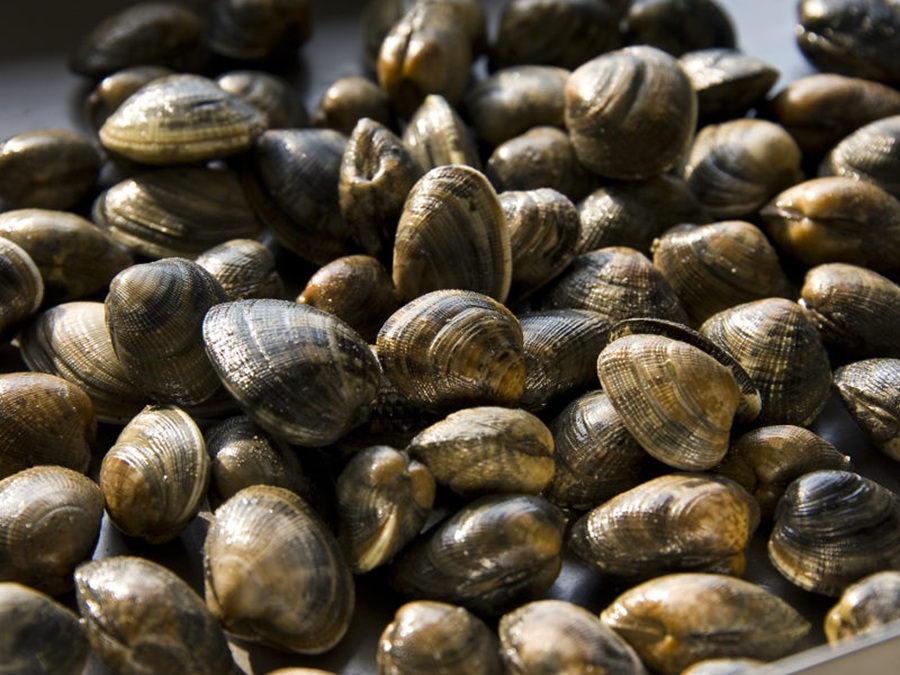
The Po Delta’s celebrated clams and mussels are dying in large numbers as water at the mouth of Italy’s longest river reaches temperatures too high for the shellfish to survive. It follows a succession of heatwaves linked to climate change.
Lagoon water has hit 32 degrees, a level operators say is proving fatal to the mollusks that have long underpinned the local fishing economy. In the Sacca di Goro, in the province of Ferrara, up to 90% of clams have disappeared. Across the water in Scardovari, on the Rovigo side, producers have recorded the sudden death of 1,000 quintals — 100 tonnes — of PDO-certified mussels.
Oxygen starved, algae thriving
The alarm was raised by Confcooperative’s agri-food and fishing division, as reported in the Nuova Ferrara newspaper.
As water temperatures climb, oxygen concentration falls, leaving shellfish struggling to survive, while the warmer conditions have triggered an algae bloom on a scale not seen for ten to fifteen years. Operators are now having to physically remove the algae simply to keep working the lagoons.
A sector already under siege
The heat has landed on an industry that was already fighting for survival. The clam sector had barely begun recovering from the invasion of the blue crab, an invasive species that has devastated shellfish beds along Italy’s Adriatic coast in recent years.
The crab-proof fences installed to keep the predator out during heatwaves have brought an unwelcome side effect of their own, restricting the flow of water through the lagoons and effectively turning the Sacca di Goro into what operators describe as a giant cooking pot.
Experts and trade associations now estimate losses of 70-100% of product in the worst-affected areas, with Goro particularly hard hit. Confcooperative puts the wider cost of climate change to Italy’s professional fishing industry at around €200 million a year, with shellfish farming among the sectors bearing the brunt of the damage.