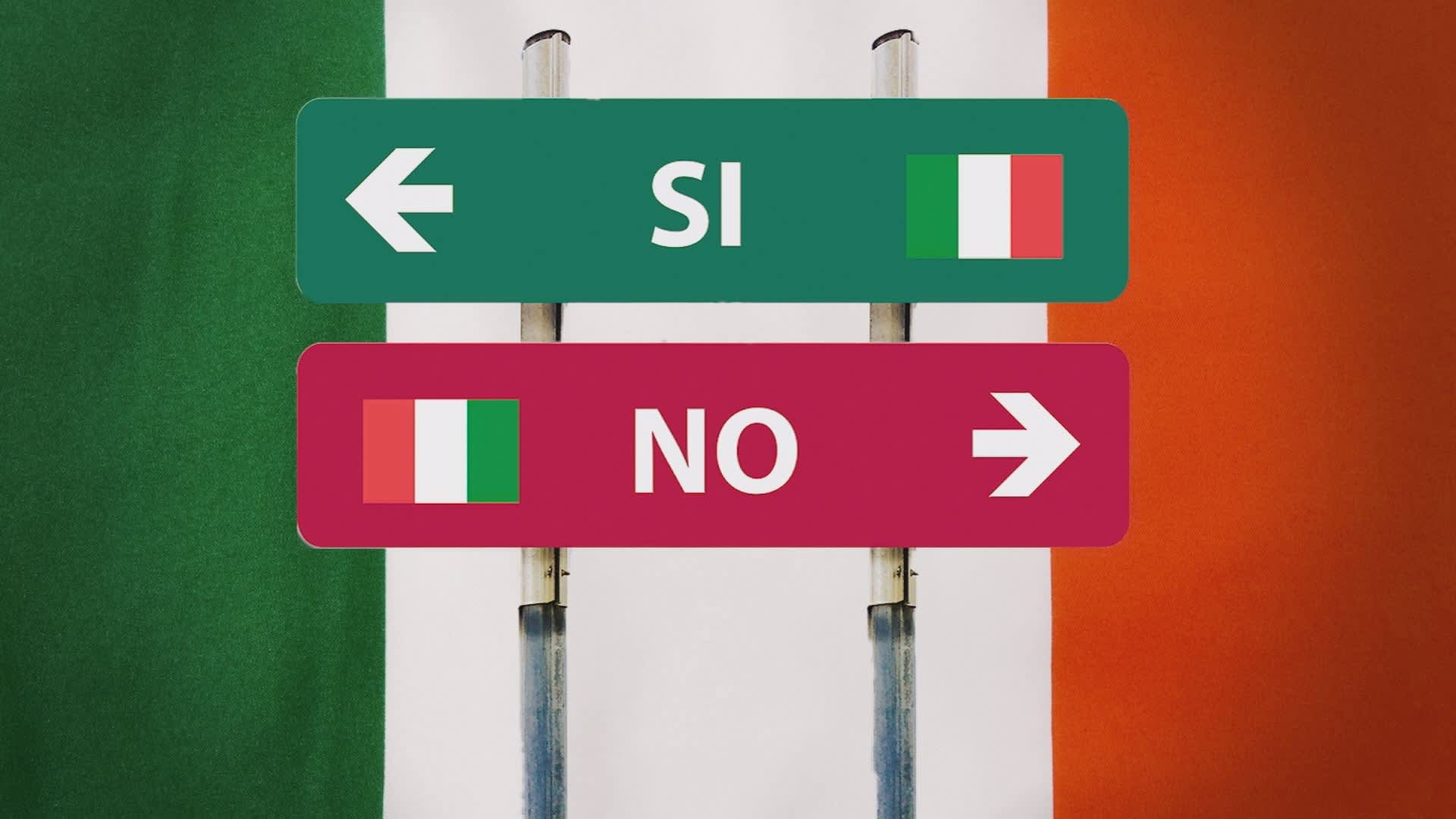
The rival camps in Italy’s referendum on judicial reform made their final appeals on Friday, as campaigning ended ahead of voting scheduled for Sunday and Monday.
The referendum concerns a constitutional reform proposed by the government of Prime Minister Giorgia Meloni that would reshape the structure of the judiciary, including separating the career paths of judges and prosecutors.
Supporters say the changes would strengthen impartiality and accountability. Opponents argue they risk weakening judicial independence and altering the balance of powers.
What the reform proposes
The constitutional reform includes several major changes to Italy’s judicial system:
- Separation of career paths for judges and prosecutors, preventing them from switching roles
- Creation of a high court responsible for disciplining members of the judiciary
- Division of the judiciary’s self-governing body, the Consiglio Superiore della Magistratura (CSM), into two sections
- Changes to the selection of members of the CSM, including a draw-based system
The government argues that separating judges and prosecutors would reduce the risk of overly close professional relationships and strengthen the role of judges as independent arbiters. Ministers also say the reform would increase accountability for judicial errors and limit the influence of organised factions within the judiciary.
Government’s case for “Yes”
Deputy Premier and Foreign Minister Antonio Tajani, leader of Forza Italia, urged voters to back the reform, saying it would reinforce impartial justice.
“We want to free the judiciary from the clutches of politics,” Tajani said. “When citizens see a judge, they should think the judge is above suspicion.”
He argued that judges and prosecutors currently share the same career path and professional environment, which could undermine perceived independence in trials. According to Tajani, separating the roles would guarantee a “third-party judge” and strengthen fair trial protections.
The government has also framed the reform as a response to concerns about judicial decisions affecting migration and crime policies, as well as high-profile legal controversies.
Opposition warns of risks
The magistrates’ union and major opposition parties, including the centre-left Democratic Party, oppose the reform.
Former justice minister Andrea Orlando said the changes would weaken judicial autonomy and undermine constitutional safeguards.
“What’s at stake isn’t a minor issue; it’s the very fabric upon which civil coexistence has been built,” Orlando said in a social media video.
He argued that dismantling the judiciary’s self-governance could reduce independence and potentially create an “uncontrolled public prosecutor.” Orlando also said the separation of careers could have been introduced through ordinary legislation. He accused the government of targeting constitutional protections instead.
Critics say the reform does not address longstanding problems such as the length of trials, often described as among the slowest in Europe, and warn it could open the way to greater political influence over prosecutors.
The referendum comes amid long-running tensions between governments and sections of the judiciary, including disputes over migration rulings and criminal justice policies.