Italy has formally put forward three nominations for inclusion on the UNESCO intangible heritage list. It is part of the country’s long-standing effort to safeguard traditions rooted in daily life, craftsmanship and regional identity.
The Italian National Commission for UNESCO, acting on a request from the Ministry of Culture, confirmed on Thursday that it has submitted nominations covering the traditional nativity scene, Valpolicella wine production practices and Alpine food heritage.
The ‘presepe’
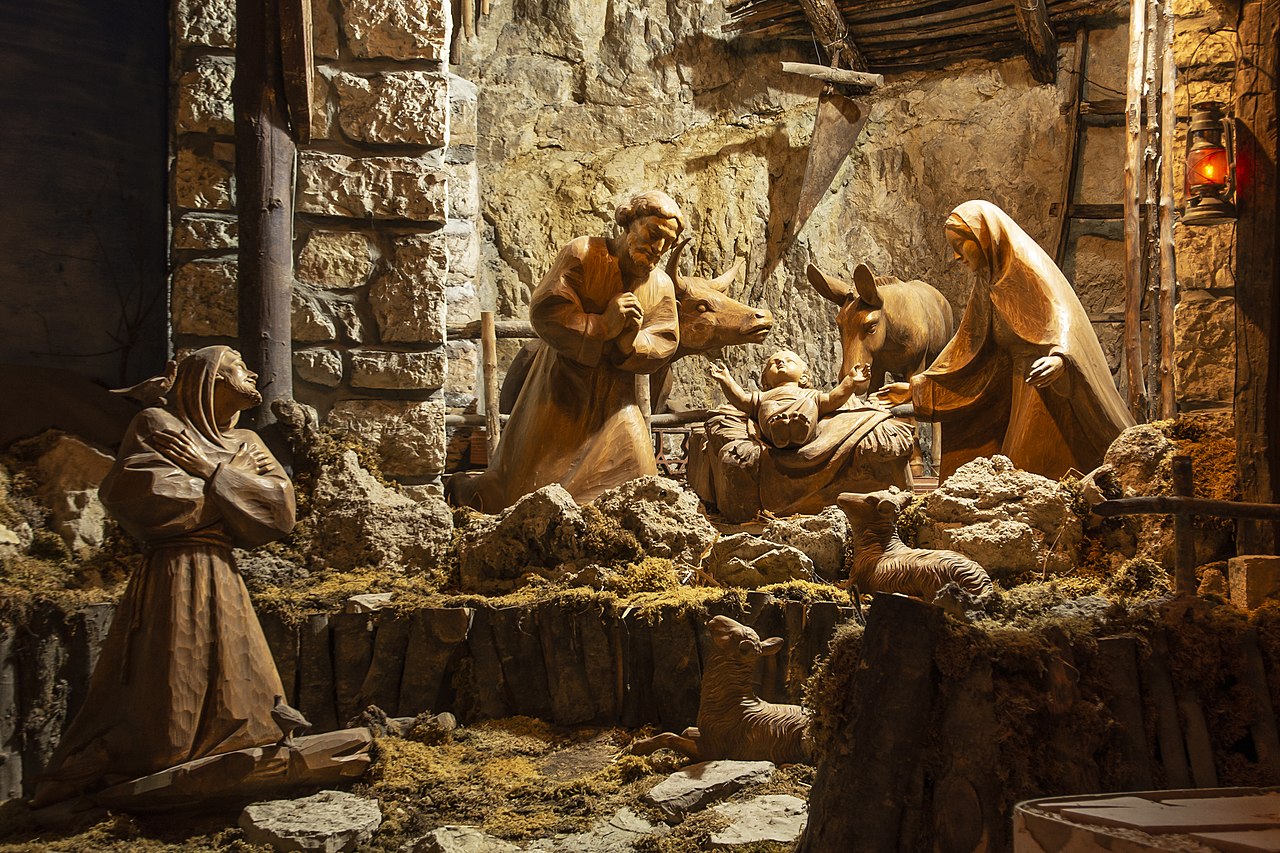
At the centre of the proposals is the Italian “presepe” – the nativity scene – a tradition that extends far beyond simple Christmas decoration. The nomination, titled “The Nativity Scene, from its origins to cultural tradition, and the art of creating it,” traces its origins to Saint Francis of Assisi, who is widely credited with staging the first living nativity in 1223 in the town of Greccio. From there, the practice spread across Italy, evolving into a complex art form that combines sculpture, architecture, theatre and storytelling.
In regions such as Naples, nativity scenes became highly elaborate, with artisans crafting detailed figurines not only of biblical characters but also of everyday life, political figures and local trades. Workshops continue to produce handmade figures using traditional techniques, often passed down through generations. The nomination highlights both the artistic craftsmanship involved and the communal aspect of building and displaying presepi in homes, churches and public spaces.
The initiative carries added symbolic weight in the year marking the 800th anniversary of Saint Francis’s death. Promoted by Italy with participation from Spain and Uruguay, the bid underlines the international reach of a tradition that remains deeply associated with Italian cultural identity.
Valpolicella ‘resting of the grapes’
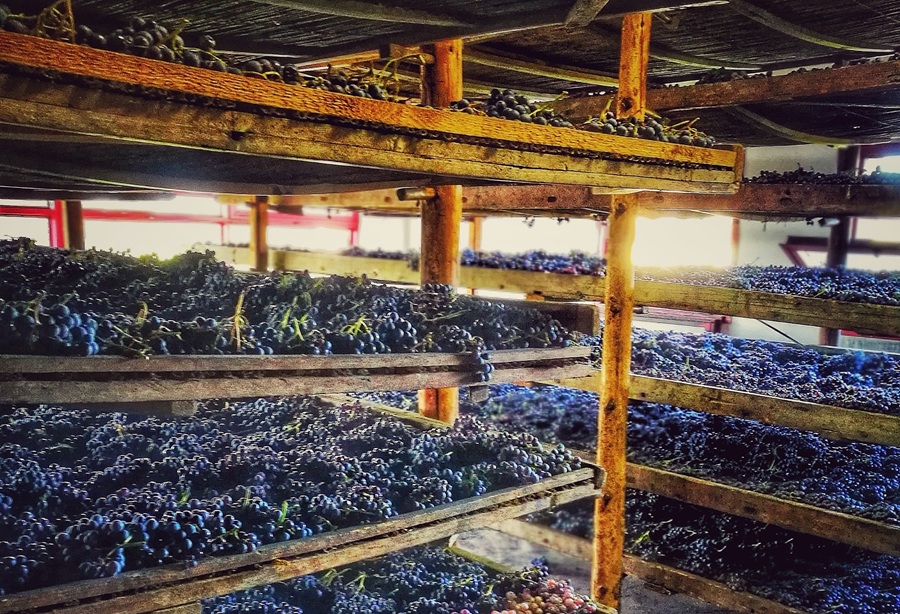
A second nomination focuses on the production of Valpolicella wines, specifically the “grapes’ resting rite,” a process central to some of Italy’s most renowned red wines, including Amarone. This method involves carefully drying harvested grapes over several months before fermentation, concentrating sugars and flavours. The practice, known locally as “appassimento,” requires precise environmental conditions and close monitoring by producers.
Centred in the hills of Valpolicella near Verona, the tradition reflects a deep connection between landscape, climate and human expertise. Growers rely on a detailed understanding of airflow, humidity and seasonal variation, often using lofts or drying rooms where grapes are laid out on racks or hung. The nomination emphasises how this process is integral to local culture, shaping community rhythms, agricultural practices and regional identity.
The dossier has been developed with input from the Valpolicella Wine Consortium, academic institutions and cultural organisations, highlighting both the technical knowledge involved and the social structures that sustain it.
Alpine food heritage

The third nomination sees Italy join a multinational effort focused on Alpine food heritage. Coordinated by Switzerland, with participation from France and Slovenia, the proposal aims for inclusion in UNESCO’s Register of Good Safeguarding Practices.
Rather than a single product, the Alpine food heritage nomination encompasses a wide range of traditional practices shaped by life in mountainous environments. These include seasonal livestock migration, preservation methods such as curing and fermenting, and the use of locally sourced ingredients adapted to high-altitude conditions. Dishes often rely on hardy crops, dairy production and techniques developed to ensure food security during long winters.
The initiative shows how Alpine communities actively transmit knowledge across generations, from farming and foraging to cooking and communal eating traditions. It also presents the region as a model of international cooperation, with shared cultural practices crossing modern national borders.
Together, the three nominations reflect Italy’s broader strategy of recognising not only iconic cultural expressions but also the everyday practices that sustain them. The UNESCO intangible heritage list aims to protect traditions that communities recognise as part of their cultural heritage, ensuring their transmission to future generations.