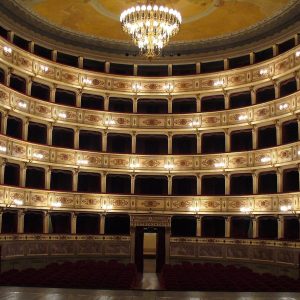
Often overlooked in favour of more famous regions, Marche offers a compelling blend of history, landscape and culture that reflects many of the defining features of Italy itself, without the intensity of mass tourism.
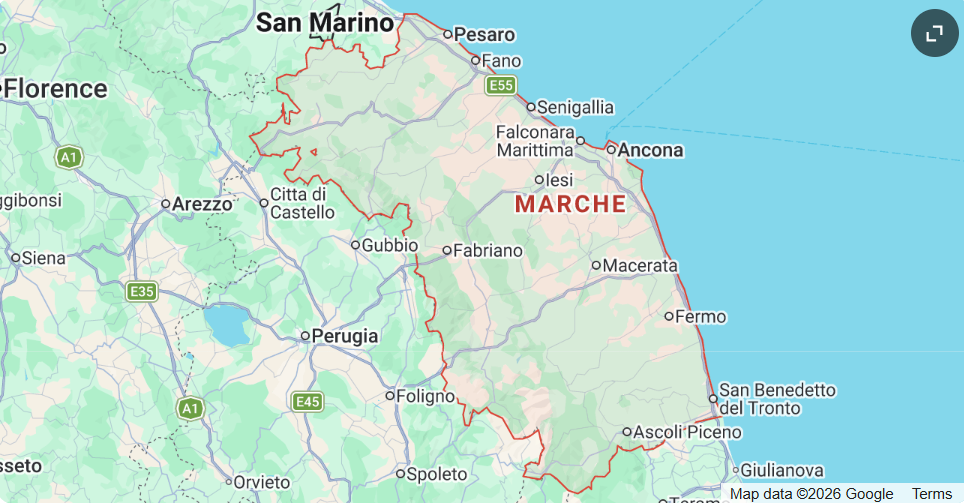
Stretching between the Adriatic coast and the Apennine mountains, Marche has long served as a meeting point of civilisations. Its origins date back to Picene settlements before becoming part of the Roman world. Remains from this period can still be seen across the region, including roads, theatres and city layouts that continue to shape modern towns.
History and identity of Marche
During the Middle Ages, Marche developed as a patchwork of communes, abbeys and fortified hill towns. It later became part of the Papal States, a status that influenced its architecture, administration and cultural life for centuries. This layered past is visible in cities such as Urbino, a UNESCO-listed Renaissance centre that flourished under the rule of the Montefeltro family.
Urbino is also the birthplace of Raphael, one of the most influential artists of the High Renaissance. His legacy remains central to the region’s cultural identity. Another major figure is Gioachino Rossini, born in Pesaro, whose operas continue to be performed worldwide and celebrated locally through festivals.
Marche’s towns and cities each carry distinct identities. Ancona, the regional capital, has been an important port since ancient Greek times and remains a key gateway across the Adriatic. Further north, Pesaro combines cultural heritage with seaside tourism, while inland destinations such as Ascoli Piceno are known for elegant piazzas and travertine architecture.
The region is also defined by its landscapes. The coastline features long beaches and historic ports, while inland areas rise into the Sibillini Mountains, part of the Apennine range. This variety allows for a mix of cultural and outdoor experiences, from hiking and cycling to visiting historic villages.
Marche has hosted a number of notable historical events, particularly during the unification of Italy in the 19th century, when it was annexed from Papal control into the Kingdom of Italy. More recently, it has gained recognition for its role in preserving traditional crafts, food production and local identity in the face of broader economic change.
Tourism without the masses
For visitors, Marche offers a more measured way to experience Italy. Key attractions include the Ducal Palace in Urbino, the Roman remains in Ancona, and the historic centre of Ascoli Piceno. The region is also known for its cuisine, which blends coastal seafood with inland specialities such as cured meats, truffles and handmade pasta.
A quick guide to Ascoli Piceno
Its relative lack of international exposure is part of its appeal. Visitors can explore historic centres, attend cultural festivals and enjoy natural landscapes without the crowds found elsewhere.