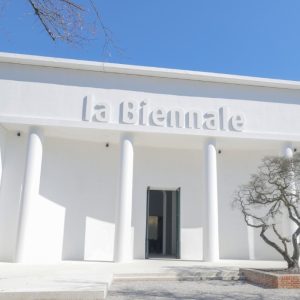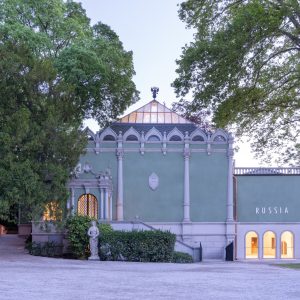
The president of the Venice Biennale has said this year’s edition will also give space to political dissidents after criticism over the decision to allow Russia to have a pavilion at the event. Pietrangelo Buttafuoco told the newspaper Il Foglio that the Biennale was preparing two initiatives aimed at highlighting voices critical of governments around the world.
The announcement follows controversy earlier this week after the European Commission condemned the decision to host a Russian pavilion, warning that European Union funding for the event could be put at risk.
Italy’s culture minister Alessandro Giuli also urged the Biennale to withdraw the invitation to Russian participants.
Buttafuoco said the organisers intended to balance the debate by creating space for dissidents’ perspectives.
“The first project commemorates the 50th anniversary of the Biennale del Dissent,” he said, referring to an initiative launched in the 1970s by former Biennale president Carlo Ripa di Meana that highlighted artists and intellectuals opposed to authoritarian regimes.
According to Buttafuoco, the new initiative will invite five prominent figures who are currently unwelcome in their own countries.
“They will come from the United States, Israel, China, Russia and even the European Union,” he said, adding that he could not disclose their names for security reasons.
Project dedicated to Russian priest executed by Soviet authorities
A second project will consist of a series of discussions titled “The Column and the Foundation of Truth”, dedicated to the life and work of Pavel Florensky, a Russian Orthodox priest, scientist and philosopher who was executed by Soviet authorities in 1937.
The events will explore Florensky’s intellectual legacy and the broader relationship between faith, philosophy and political repression.
The dispute over the Russian pavilion comes amid wider tensions in Europe over cultural cooperation with Russian institutions since the start of the war in Ukraine, with many organisations choosing to suspend official collaboration with Russian state-backed entities.