Cardinal Kevin Farrell, Camerlengo of the Catholic Church, made the official announcement this morning confirming the death of Pope Francis. When a pope dies, it marks a time of mourning for the world’s 1.4 billion Catholics. It is also the beginning of a carefully structured process that follows centuries of Vatican tradition.
The Death is Confirmed
It falls to the Camerlengo to officially confirm when a pope dies. Cardinal Farrell, appointed to the role in 2019, follows an age-old ritual. He calls the pope by his baptismal name three times. If there is no response, the pope is declared dead.
The Camerlengo then seals the papal apartments, and the Fisherman’s Ring – used to stamp official documents – is destroyed to prevent misuse.
Nine Days of Mourning
A nine-day period of mourning, known as novemdiales, begins immediately when a pope dies. Each day, a mass will be held in memory of the late pope. The body will lie in St Peter’s Basilica, allowing the public and dignitaries to pay their respects.
The funeral usually takes place within four to six days, led by the Dean of the College of Cardinals. Popes are often buried in the crypt beneath the basilica, although some choose alternative resting places.
Sede Vacans
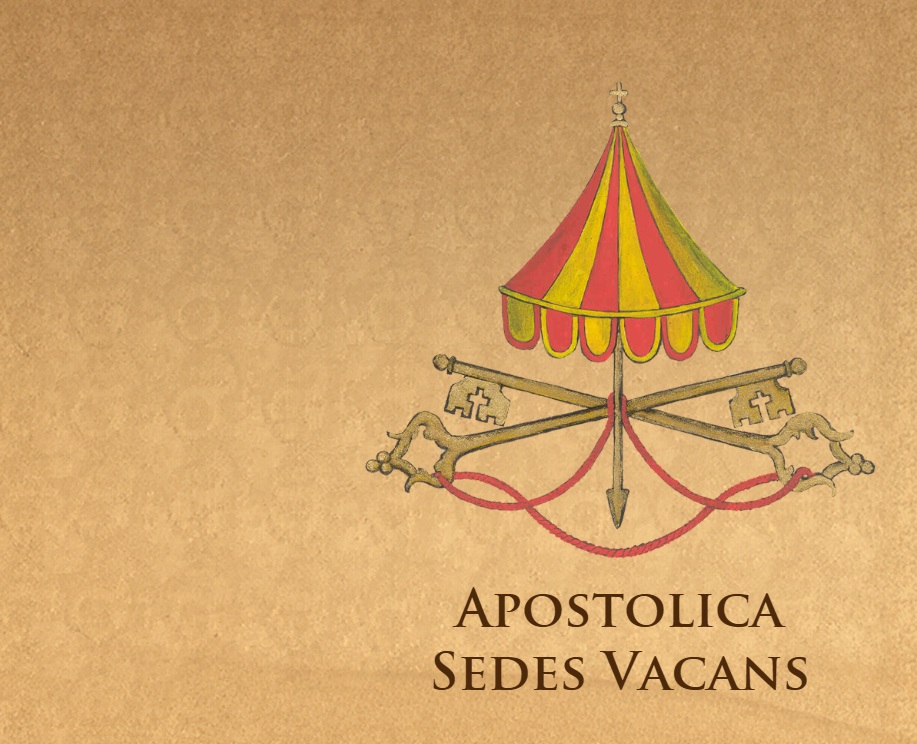
With the Holy See now vacant, the Vatican enters the sede vacans period. No new laws or appointments can be made. The Church is temporarily governed by the College of Cardinals, who oversee essential day-to-day matters.
The Vatican’s coat of arms also changes, showing a canopy above the crossed keys of St Peter to indicate the vacancy.
Before the official start of the conclave, the cardinal electors reach Rome where they find accommodation at Casa Santa Marta, the same building in which late Pope Francis had decided to live, giving up the luxurious papal apartment.
The Conclave
Fifteen to twenty days after the death of a pope, the College of Cardinals under the age of 80 gathers in Rome for the conclave, the secretive process of electing a new pontiff.
On the day of the assembly, the cardinals attend mass at St Peter’s Basilica. This liturgy, known as the Missa pro eligendo Romano Pontifice, is celebrated with the intention of guiding the election, and is presided over by the Dean of the College of Cardinals, currently Cardinal Giovanni Battista Re.
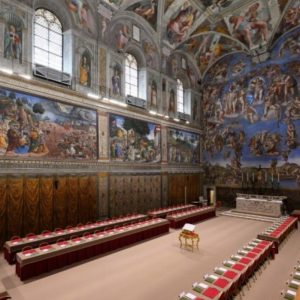
After the mass, the cardinals change into choir dress and process in silence towards the Sistine Chapel. The chapel is specially prepared for the occasion with voting benches, a central altar, and the traditional stove where the ballots are burned.
Although the maximum number of cardinal electors is officially set at 120, there are currently 135 cardinals eligible to vote. As in past conclaves, exceptions to the limit may be permitted.
Oath of secrecy
Once inside, all forms of communication with the outside world are cut off. The oath of secrecy is taken, ending with the command “extra omnes” – “everyone out.” The chapel doors are then locked, marking the official start of the conclave.
If the process begins in the afternoon, only one vote is held that day. On subsequent days, there are four ballots, two in the morning and two in the afternoon. Each cardinal writes the name of his chosen candidate on a ballot beneath the phrase Eligo in Summum Pontificem (“I elect as Supreme Pontiff”). He then carries the folded ballot visibly to the altar, places it on a silver plate, and lets it slide into the urn.
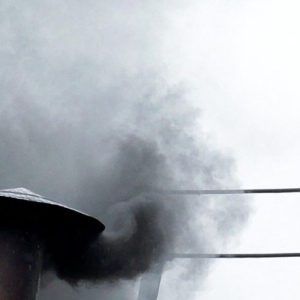
Three scrutineers are appointed. Two silently read the ballots; the third announces each name aloud. Once counted, the ballots are threaded together and burned. If no pope is elected, a chemical compound is added to produce black smoke. If a pope is chosen, white smoke is released, announcing the successful election to the world.
Pope elected
The Dean then asks the elected candidate if he accepts the role and what papal name he will take. After his acceptance the new pope withdraws to the Room of Tears, a private space near the chapel, to don papal vestments.
The moment concludes with the cardinal protodeacon appearing on the balcony of St Peter’s Basilica to declare Habemus Papam — “We have a pope.” Moments later, the newly elected pontiff steps forward to deliver the Urbi et Orbi blessing to the city and the world.
A Time of Reflection
The death of Pope Francis is a significant moment in the history of the Catholic Church. As mourners gather and preparations begin for the conclave, the eyes of the world now turn to the Vatican, and to the question of who will lead the Church next.