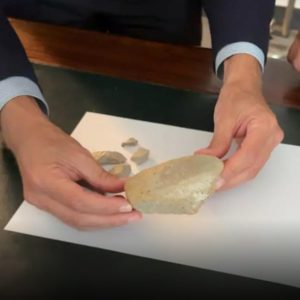
Pompeii remains one of Italy’s most compelling travel destinations. Each year, millions of people from around the world make the journey to walk its ancient streets, see remarkable ruins and sense the life that once filled the city. The archaeological park recorded more than four million visitors in recent seasons, drawing crowds that average 15,000–20,000 people each day during peak months.
People are drawn by its unique combination of history, preservation and mystery. Pompeii was buried by Mount Vesuvius in AD79 and remained hidden for centuries, only to emerge as one of the most complete records of Roman urban life ever discovered. Yet, as fascinating as it is, Pompeii can surprise first-time visitors in ways they might not expect.
A living, working Roman town
It helps to think of Pompeii not as a museum frozen in time, but as a bustling Roman town with all the activities of everyday life. Streets were once crowded with traders, craftsmen, customers and families. Bakers fired ovens at dawn. Merchants opened their shops. Neighbours greeted one another, debated politics and hurried about their business.
This sense of daily routine is easy to overlook when people focus on the grand facades and dramatic casts of victims. The city was far more ordinary in its heartbeat than many assume, and that ordinary quality is part of what makes it so compelling.
Homes tell different stories

The ruins of Pompeii contain both grand villas and simpler dwellings. Tourists naturally photograph the lavish homes with their colourful frescoes and mosaics. These spaces belonged to the wealthy elite and indeed shed light on luxury in the ancient world. But most residents did not live in such houses. Many lived in modest apartments or above shops. These were functional spaces designed for everyday living, not for show.
The grand houses do not diminish Pompeii’s value. They simply show that the city was socially varied, with wealth concentrated in a minority while the majority managed daily life from smaller quarters.
Indeed, the ‘Villa of the Slaves’ has recently uncovered a great deal of information about the living conditions, diet and activities of the town’s slaves.
Sound, smell and the rhythm of the street
Another misconception is that Pompeii was a quiet or orderly place. In its day, the city was full of noise and activity. Public fountains splashed water into the street. Markets buzzed with bargaining. Animals and carts moved through narrow lanes. Workshops produced noise, dust and smoke.
This sensory bustle may be absent now, but it once defined urban life. Walking Pompeii today is a chance to imagine those interactions — not as static scenes, but as a living network of human activity.
Social complexity and roles
Pompeii’s population included free citizens, freedmen, slaves and immigrants. Slaves played significant roles in daily life, working in homes, shops and farms. Women in Pompeii also managed businesses, owned property and engaged in public life, though within the constraints of Roman law.
This blend of people and roles creates a rich social picture, not easily summarised by simplistic narratives about class or gender. The city’s archaeological remains reflect this complexity rather than a single story.
Erotica, brothels and street imagery
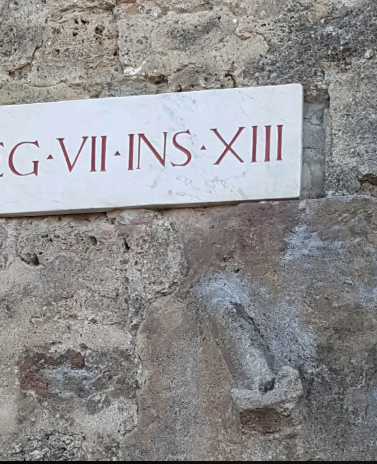
Visitors often notice erotic imagery and phallus symbols on walls or learn of the many brothels across the city. In Pompeii. These were not scandalous or taboo; they were part of everyday life.
Phalluses were often created to bring luck or protect against harm. Erotic art appeared in private homes and public spaces as decoration, humour, or even political commentary. Brothels were regulated businesses, offering services openly rather than secretly. These features reflect the social and cultural norms of the time, not some hidden vice.
Beyond sensational highlights

Many visitors pause longest at the plaster casts of victims — powerful reminders of the eruption’s sudden violence. These casts are poignant, but they represent only a fraction of the story. Much of Pompeii’s population escaped as the eruption unfolded over several hours. And the date of the eruption itself is now thought to have been in autumn rather than the long-held August assumption.
Pompeii’s appeal lies not only in tragedy but in continuity. After the eruption, the region did not simply vanish; survivors rebuilt lives nearby, and the memory of the city became part of a wider cultural landscape.
Details that reward close attention
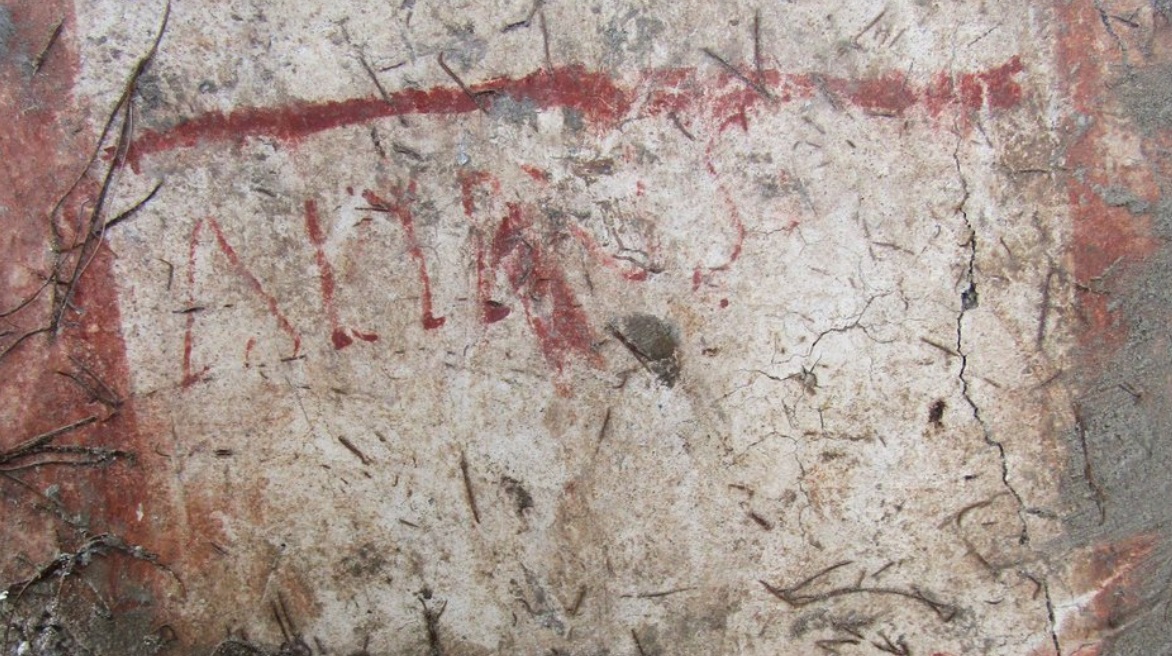
The richest insights often come from small details: graffiti scratched into walls, thresholds worn by centuries of foot traffic, shrines tucked into corners of houses, and artefacts that speak of everyday choices. These features bring the ancient inhabitants closer to us than any dramatic scene ever could.
Pompeii does not stand still. Archaeologists continue to uncover new structures and objects, including recently discovered bath complexes and private residences with unexpected features. Each find adds depth to our understanding of ancient life.
A place to look at closer
Pompeii rewards curiosity with a layered portrait of everyday life, community and resilience. There is more to gain from slowing down than from rushing to the most photographed spots. In stepping through its ruins, visitors encounter ordinary lives that resonate across centuries.
And that — more than any snapshot moment — is what makes Pompeii truly exciting to visit.
For more information on Pompeii Archaeological Sites, head to the official website.