
On this day in history: Savonarola dies
On the morning of 23rd May 1498, the Dominican friar Savonarola was executed in Piazza della Signoria, Florence. He had been found guilty of heresy.
Continue Reading
On the morning of 23rd May 1498, the Dominican friar Savonarola was executed in Piazza della Signoria, Florence. He had been found guilty of heresy.
Continue Reading
On this day in history, 20th May 1470, the scholar and poet Pietro Bembo was born. A lover of Lucrezia Borgia, he was influential in the development of the modern Italian language.
Continue Reading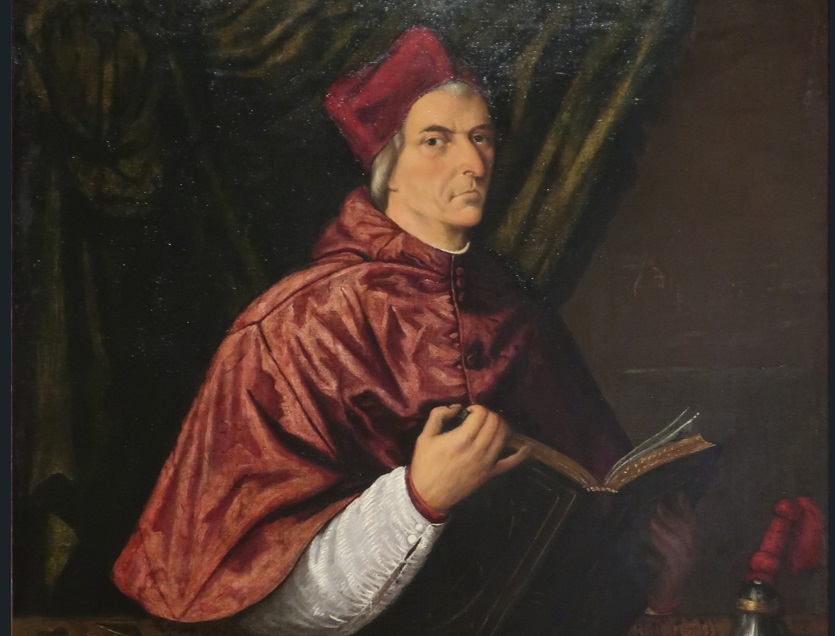
The Venetian cardinal Domenico Grimani was born on 19th February 1461. His art collection now forms part of the Museo d’Antichità in the Doge’s Palace in Venice.
Continue Reading
Italian poet Filippo Tommaso Marinetti wrote his Manifesto of Futurism in 1908. It was published in the Gazzetta dell’Emilia newspaper in Bologna on 5 February 1909.
Continue Reading
Charles Edward Stuart, the royal exile, died on 31st January 1788 in Rome. The heart of Bonnie Prince Charlie remains in Frascati.
Continue Reading
31st December is the Feast of Saint Sylvester (Festa di San Silvestro) in Italy. Coinciding with New Year’s Eve it is a time for celebration with fireworks, parties and concerts.
Continue Reading
The astronomer Caterina Scarpellini died on 28th November 1873 in Rome. She discovered a comet in 1854 and was later awarded a medal by the Italian government for her contribution to the understanding of astronomy and other areas of science.
Continue Reading
The Most Serene Republic of San Marino, an independent state within Italy, was founded on 3rd September, 301AD.
Continue Reading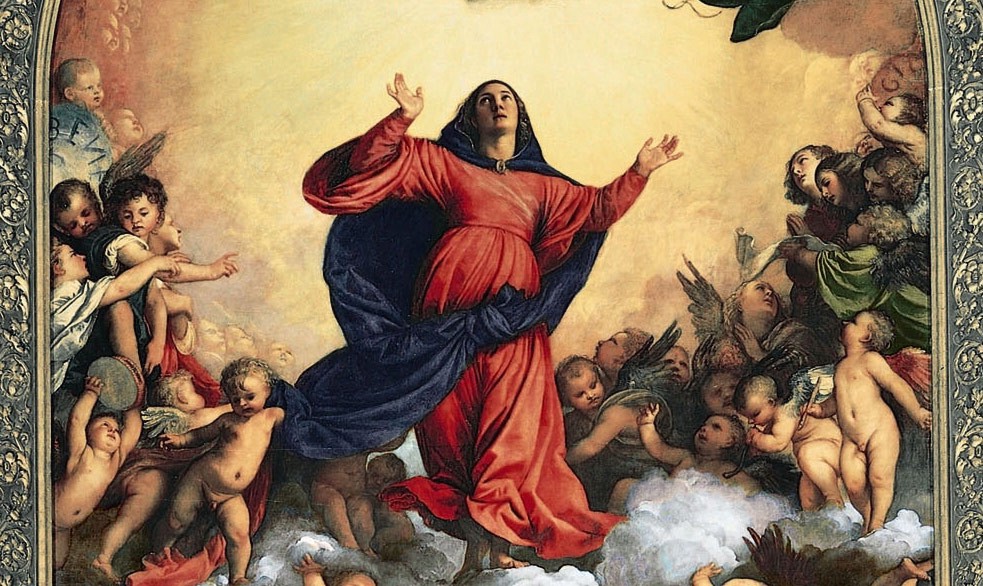
Tiziano Vecellio, the artist better known as Titian, died in Venice on August 27th, 1576. Regarded as the greatest painter of 16th century Venice, Titian is believed to have succumbed to the plague.
Continue Reading
Traditionally, 24-25th August is the date of the deadly Mount Vesuvius eruption of 79AD. One of the worst in European history, it buried the ancient cities of Pompeii, Oplontis and Stabiae and Herculaneum.
Continue Reading