Insults between gladiators and love stories between enslaved Romans have resurfaced at Pompeii, as new technology reveals graffiti long hidden from view. Writings scratched into a wall more than 2,000 years ago are now offering fresh insight into everyday life in the ancient city.
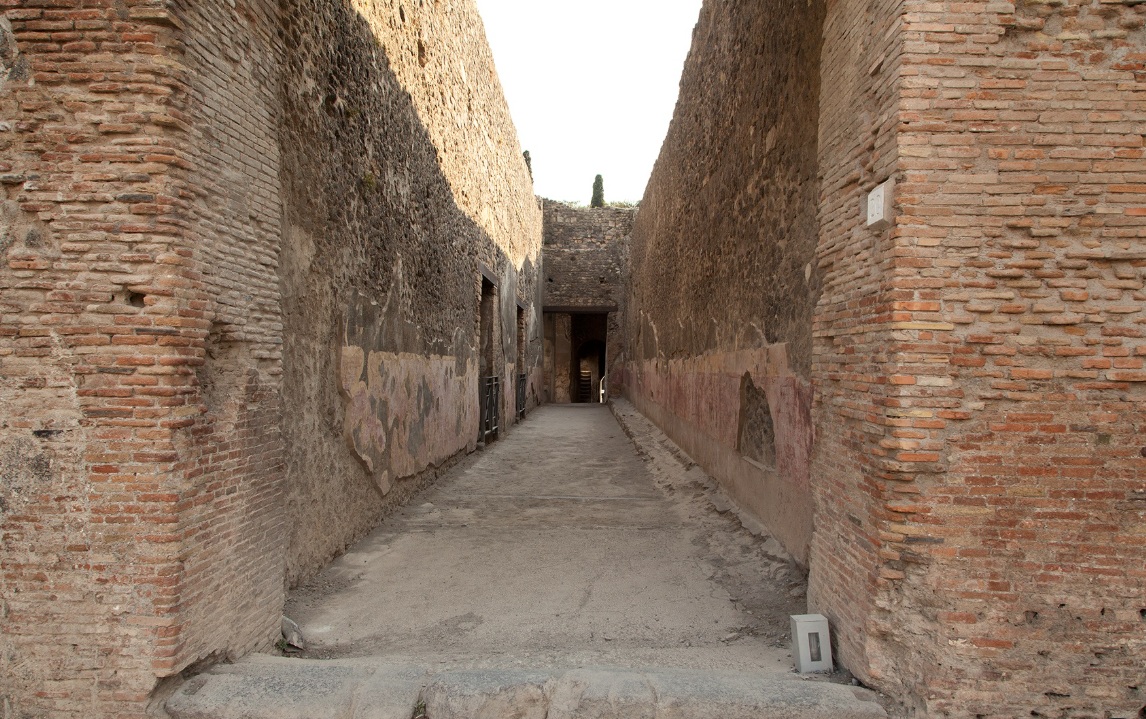
The discoveries come from a corridor linking Pompeii’s theatre district to the busy Via Stabiana. Millions of visitors have passed through this passageway since its excavation more than 230 years ago. Despite its familiarity, the wall is now revealing voices that had faded almost completely with time.
Researchers uncovered writings about love, personal confessions, sports-related quotes and sharp insults. Together, they form a vivid record of ordinary emotions, rivalries and relationships in the Roman world. The inscriptions include tender messages, rough humour and traces of public spectacle.
The research forms part of a project called Bruits de Couloir, or “Corridor Voices”. It was developed by Louis Autin and Éloïse Letellier-Taillefer of Sorbonne University, with Marie-Adeline Le Guennec of the University of Quebec in Montreal. The team worked in collaboration with the Pompeii Archaeological Park.
Much-studied wall reveals secrets
According to the E-Journal of the Pompeii Excavations, the project ran in two campaigns in 2022 and 2025. Scholars adopted a multidisciplinary approach, combining epigraphy, archaeology, philology and digital humanities. This method allowed a comprehensive reinterpretation of graffiti previously thought to be fully documented.
The team used a technique known as Reflectance Transformation Imaging, or RTI. This computational photography method captures surfaces under multiple lighting angles. It exposes faint scratches invisible to the naked eye after centuries of erosion.
Archaeologists did not expect major new findings on such a well-studied wall. However, the analysis identified around 300 inscriptions in total, including 79 previously unseen texts. Among them are sketches, partial sentences and deeply personal messages.
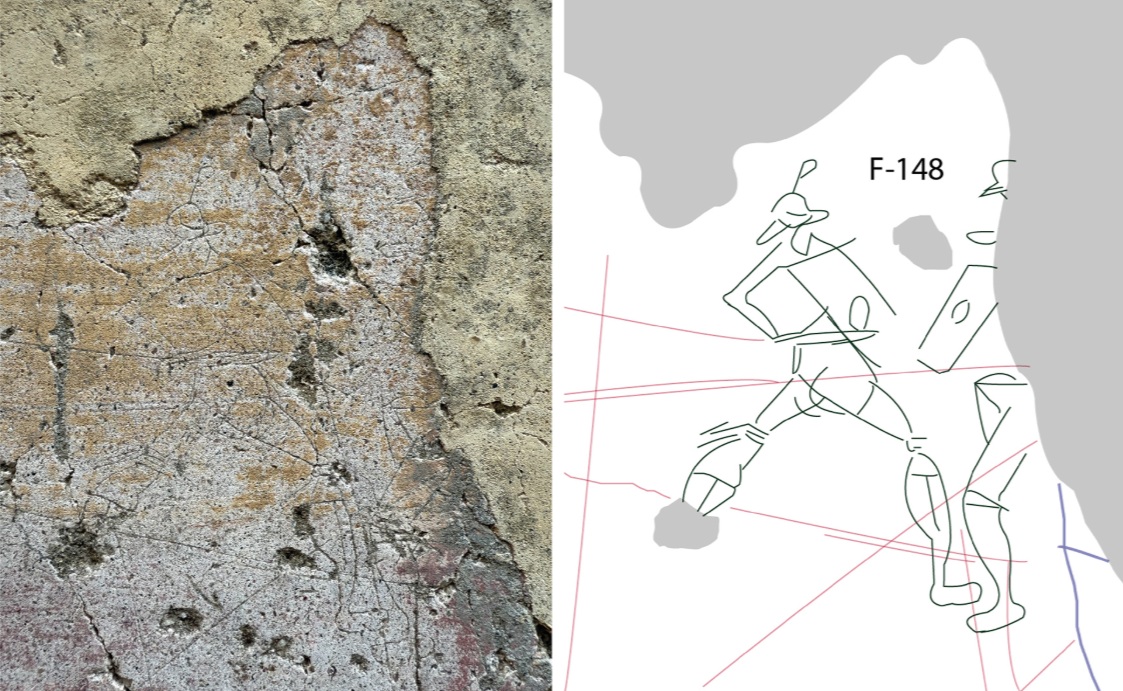
One newly revealed inscription recounts a love story involving a woman named Erato. Another shows a faint scene of gladiatorial combat, scratched lightly into the plaster. These images sit alongside insults and wishes, creating a layered conversation across generations.
One inscription reads: “Methe, (slave) of Cominia, of Atella, loves Chrestos in her heart. May the Venus of Pompeii be propitious to them both, and may they always live in harmony.” Other known texts include a hurried farewell: “I am in a hurry. Farewell, my Sava, make sure you love me!”
The eruption of Mount Vesuvius in AD 79 buried Pompeii, near Naples. Ash preserved buildings, objects and inscriptions, creating one of the richest archaeological records of the ancient world. More than 10,000 inscriptions are already known at the site.
“This technology is the key that opens new rooms of the ancient world,” said Gabriel Zuchtriegel, director of the Pompeii Archaeological Park. He described the city’s inscriptions as an “immense heritage” that continues to grow.
The research team is now developing a 3D digital platform. It will combine photogrammetry, RTI data and epigraphic metadata. The aim is to allow full visualisation, study and annotation of Pompeii’s graffiti for scholars and the public alike.