Rome will host a major new exhibition examining the relationship that shaped the birth of the Baroque. Bernini and the Barberini looks at the bond between sculptor and architect Gian Lorenzo Bernini and his first great patron, Pope Urban VIII.
Curated by Andrea Bacchi and Maurizia Cicconi, the exhibition explores the artistic, political and personal bond between Bernini and Maffeo Barberini. Barberini became Pope Urban VIII in 1623 and remained Bernini’s most powerful supporter for more than two decades.
Organisers say the exhibition offers an unprecedented opportunity to reconsider the origins of the Baroque through this close collaboration. Together, Bernini and Urban VIII helped define a new visual language that reshaped Rome and influenced European art for generations.
Who was Bernini?
Born in Naples in 1598, Gian Lorenzo Bernini moved to Rome as a child with his father Pietro Bernini, a respected sculptor. His prodigious talent became clear early. By his twenties, Bernini had already produced works that combined dramatic movement, emotional intensity and technical brilliance in marble. These qualities would become hallmarks of the Baroque style.
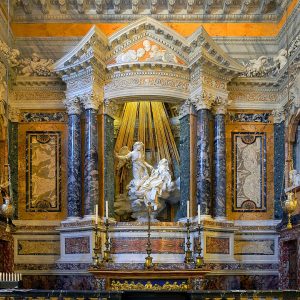
Bernini was not only a sculptor. He worked as an architect, painter, stage designer and engineer. Under Urban VIII, he became the leading artistic figure of papal Rome. His projects at St Peter’s Basilica alone secured his place in history, including the monumental bronze Baldacchino over the high altar and later interventions across the basilica.
The ‘Bernini and the Barberini’ exhibition
The exhibition follows the success of the Caravaggio 2025 show and coincides with the 400th anniversary of the consecration of the new St Peter’s Basilica. That moment marked a turning point in Roman Baroque architecture and in Bernini’s career.
Works on display come from major museums and private collections. Many are being shown in Italy for the first time. The aim is to convey the full complexity of a decisive artistic moment.
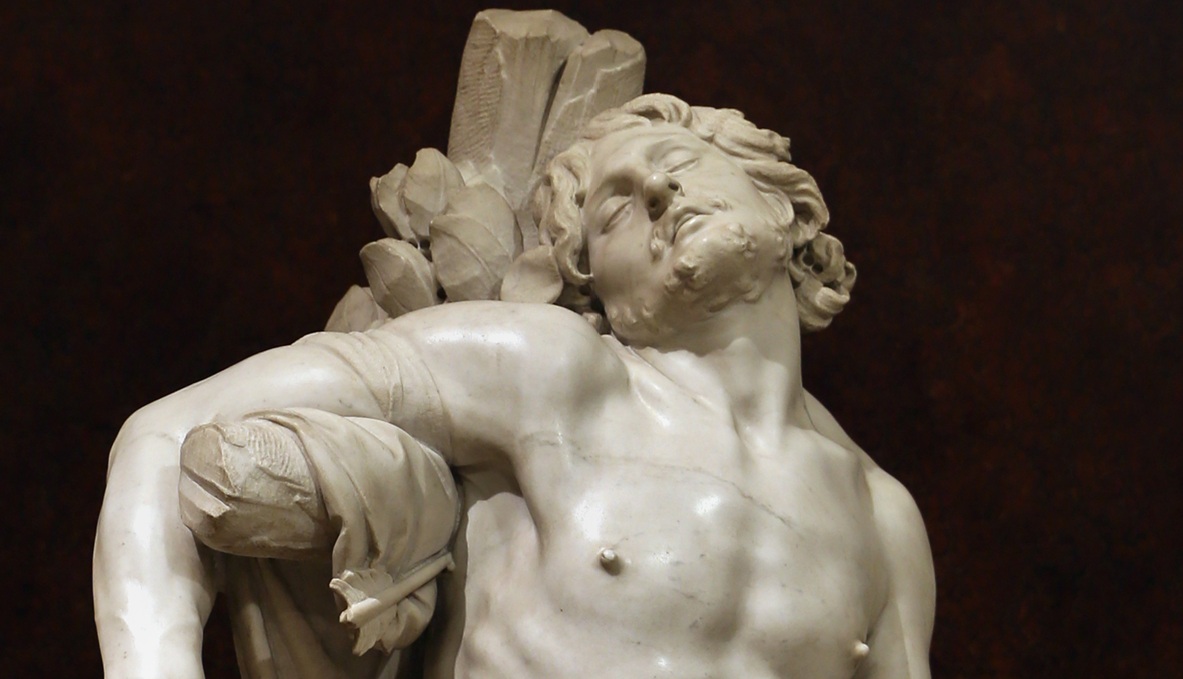
The exhibition has six sections. Each focuses on a key phase in Bernini’s relationship with the Barberini family. The narrative traces his development from youthful prodigy to mature master. Highlights include Saint Sebastian from the Thyssen-Bornemisza Museum in Madrid and the Putto with Dragon from the Getty Museum. These works show the emergence of Baroque sculpture as a distinct and powerful language.
The exhibition also examines Bernini’s relationship with his father. Loans such as the Four Seasons from the Aldobrandini collection explore their artistic dialogue and shared working methods.
Several marble masterpieces by Bernini, Giuliano Finelli and Francesco Mochi will be reunited. These works are normally dispersed across public and private collections.
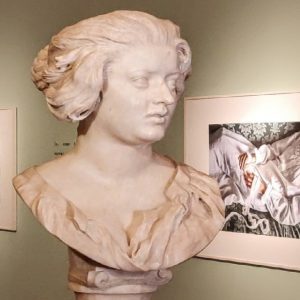
Urban VIII features prominently. Marble and bronze busts of the pope appear alongside one of the very few paintings firmly attributed to Bernini.
Bernini the painter
Another section focuses on Bernini as a painter. Encouraged by Barberini, he explored painting alongside sculpture and architecture. The exhibition includes canvases shown publicly for the first time. Bernini’s only major public painting will appear beside its companion piece by Andrea Sacchi, both on exceptional loan from the National Gallery in London.
Drawings, engravings and models complete the picture. These works illustrate Bernini’s role in the vast building campaigns at St Peter’s, from the Baldacchino to the tomb of Urban VIII.
For full exhibition details, including dates and ticket information, visitors are advised to consult the official website.
Also read: The day I fell in love with sculpture