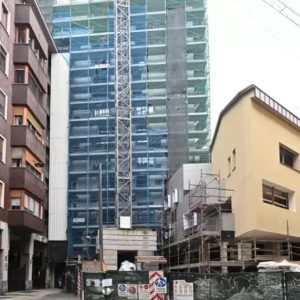
Italy’s luxury real estate market continues to show stark price divides. A handful of prestigious districts stand out as the most expensive places to buy a home at the start of 2026, according to a new analysis by idealista.
At the top of the list sits Milan’s Historic Centre, where residential properties in signature locations now average around €11,069 per square metre – the highest asking prices in the country. These addresses remain highly sought after by both domestic and international buyers drawn by Milan’s global economic, fashion and cultural appeal.
Milan dominates the ranking
Milan features prominently across the ranking, with several other luxury districts following the Historic Centre:
- Garibaldi–Porta Venezia – €7,337 /m²: known for its elegant buildings and central positioning.
- Fiera–De Angeli – €7,275 /m²: a sophisticated residential district with strong lifestyle appeal.
- Navigli–Bocconi – €6,922 /m²: combining canal-front living with vibrant social venues.
- Porta Vittoria – €6,422 /m²: an up-and-coming area benefiting from city infrastructure investment.
Rome, Florence and Como among Italy’s elite
Outside Lombardy, other regions also host ultra-premium markets:
In Rome, the city centre commands around €7,520 /m². Meanwhile, Prati and Parioli also rank among the priciest residential zones, blending historical prestige with upscale urban living.
Florence’s historic core remains comparatively attractive at about €5,638 /m², drawing buyers seeking Renaissance heritage and cultural lifestyle.
In Lake Como, properties average around €5,500 /m², where luxury villas and lakefront estates rank among the most desirable in northern Italy.
Other high-end markets across Italy
Beyond the top ten districts, other prestigious markets command strong prices:
Venice’s La Giudecca and University of Bologna’s San Mamolo–Colli both exceed average values seen in many city markets.
Naples’s Posillipo–Chiaia–San Ferdinando area offers sea-view views and exclusivity at around €4,635 /m².
What drives Italy’s luxury real estate market
The high prices reflect a combination of heritage appeal, scarcity of supply in historic centres, lifestyle quality and international demand.
Milan’s status as a global business hub has further accelerated interest in luxury addresses, boosted by events such as the 2026 Winter Olympics and tax incentives aimed at affluent residents.