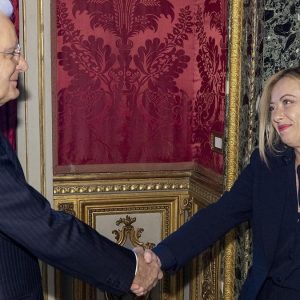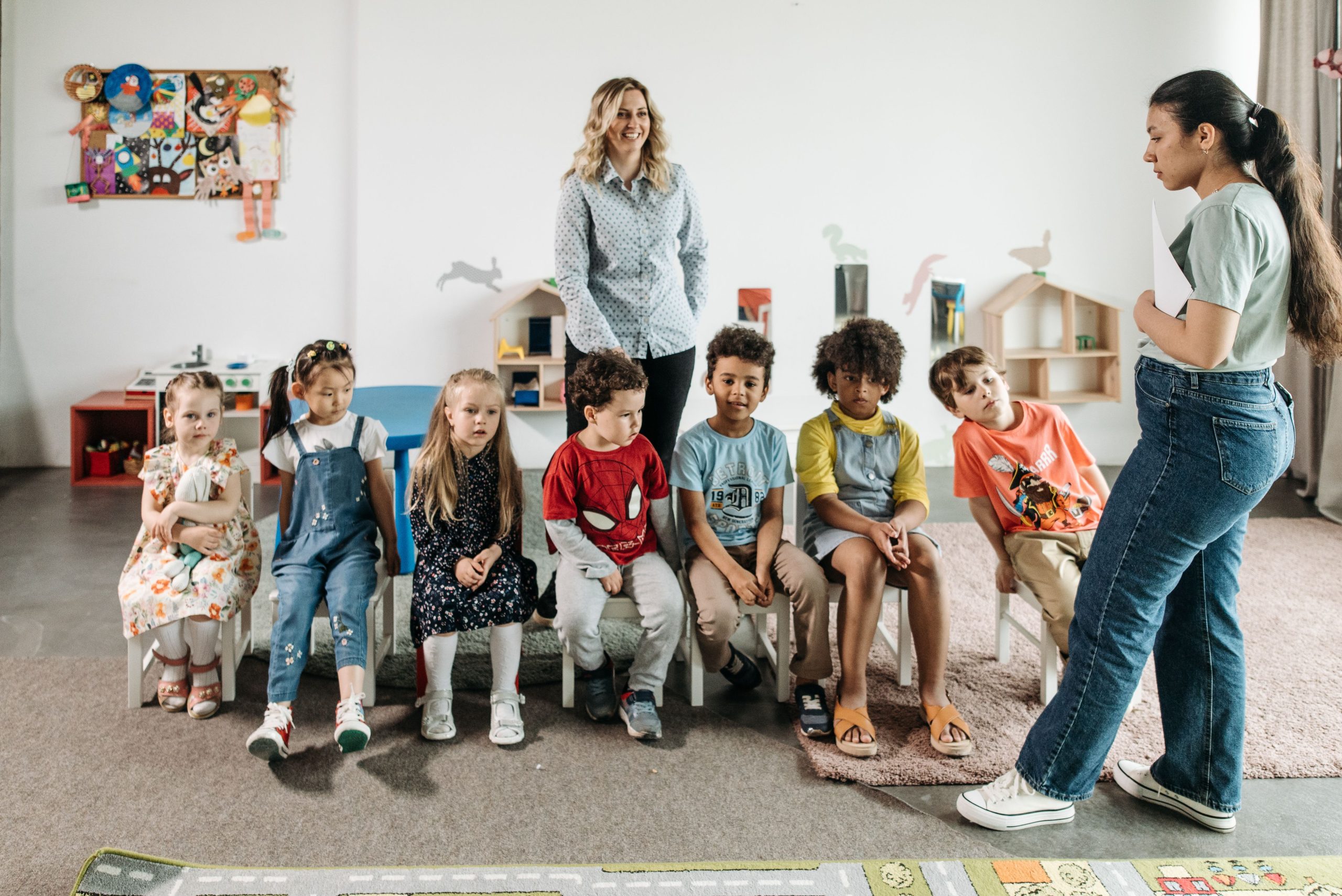
Premier Giorgia Meloni’s proposal to cap foreign pupils at 30% per classroom has drawn criticism from opposition politicians and head teachers. It also appeared to prompt a pointed intervention from President Sergio Mattarella on the role of schools in integration.
A row has broken out in Italy this week over Premier Giorgia Meloni’s proposal to limit the proportion of foreign pupils in any given classroom to 30%, with the debate drawing in President Sergio Mattarella and reigniting questions over how such a measure could work in practice.
Meloni’s proposal draws criticism
Meloni first floated the cap the previous Sunday, addressing a festival organised by Gioventù Nazionale, the youth wing of her Brothers of Italy party. In the same speech, she said burqas and niqabs would be banned in Italian schools.
The proposal was quickly criticised from two directions. Antonello Giannelli, president of the National Association of School Principals (ANP), said the underlying concern was understandable but questioned how a hard cap could be applied in practice. He noted that schools — particularly at preschool and primary level — are generally required to accept children from their catchment area regardless of nationality.
Opposition figures were more forthright. Vittoria Baldino of the 5-Star Movement accused the government of using schools for electoral “propaganda” ahead of next year’s general election, arguing that more pressing problems — from a lack of basic supplies to malfunctioning heating and air conditioning in classrooms — were being overlooked. She also pointed out that Italy spends around 4% of GDP on education, below the European average, and noted that a 30% classroom cap already exists under a ministerial circular.
Mattarella stresses school as instrument of integration
President Mattarella addressed the controversy indirectly on Monday, speaking at the inauguration of the new school year at the “Sergio Marchionne” Comprehensive Institute in Amatrice, on the tenth anniversary of the earthquake that killed 3,030 people in central Italy.
Without naming Meloni’s proposal directly, Mattarella said schools must help prevent the formation of “ghettos” and break down barriers, forging trust with families and strengthening social cohesion rather than division. He described school as “the most effective instrument of integration” both for children arriving from abroad and for those born in Italy to immigrant parents, invoking Article 34 of the Constitution, which guarantees that school is “open to all”. The line reportedly drew sustained applause.
The remarks were widely read as an attempt by the head of state to distance himself from the government’s proposal.
Meloni responded on Tuesday during an appearance on Rai 1’s Cinque minuti, arguing that Mattarella himself had taken a similar position when he served as education minister in the 1990s. She said he had drafted circulars at the time advising against concentrating foreign pupils in the same classroom, calling it “a common-sense measure” and reaffirming her intention to press ahead with the cap.
The exchange leaves the government and the presidency publicly at odds over how Italian schools should manage rising numbers of foreign-born and second-generation pupils, with head teachers still questioning whether any fixed percentage cap is workable on the ground.