A network of historic theatres across Marche, Umbria and Emilia-Romagna has been recognised for entire towns that pooled their money to build, own and run a theatre together.
Most great theatres in Europe trace their history back to a court, a monarch, or a wealthy patron with money to spare. Ten theatres in central Italy have just been recognised by UNESCO for being built by the towns themselves.
The network of ten historic playhouses has been awarded UNESCO World Heritage status, honouring a distinctive Italian tradition in which ordinary townspeople, rather than aristocrats or single benefactors, financed, built and ran their own theatres. The decision came during the 48th session of UNESCO’s World Heritage Committee, held in Busan, South Korea, between 19 and 29 July.
The listing covers what UNESCO calls “the system of Italian-style condominio theatres of the 18th and 19th centuries in Central Italy”. It brings Italy’s total number of World Heritage sites to 62, more than any other country on earth.
A theatre owned like a condominium
The idea behind these buildings is right there in the name. “Condominio” is the same word Italians use today for a shared apartment building, and that’s essentially what these theatres were. Municipalities and private citizens pooled their resources to build a theatre together, then shared ownership and use of it much as neighbours share a stairwell or a courtyard.
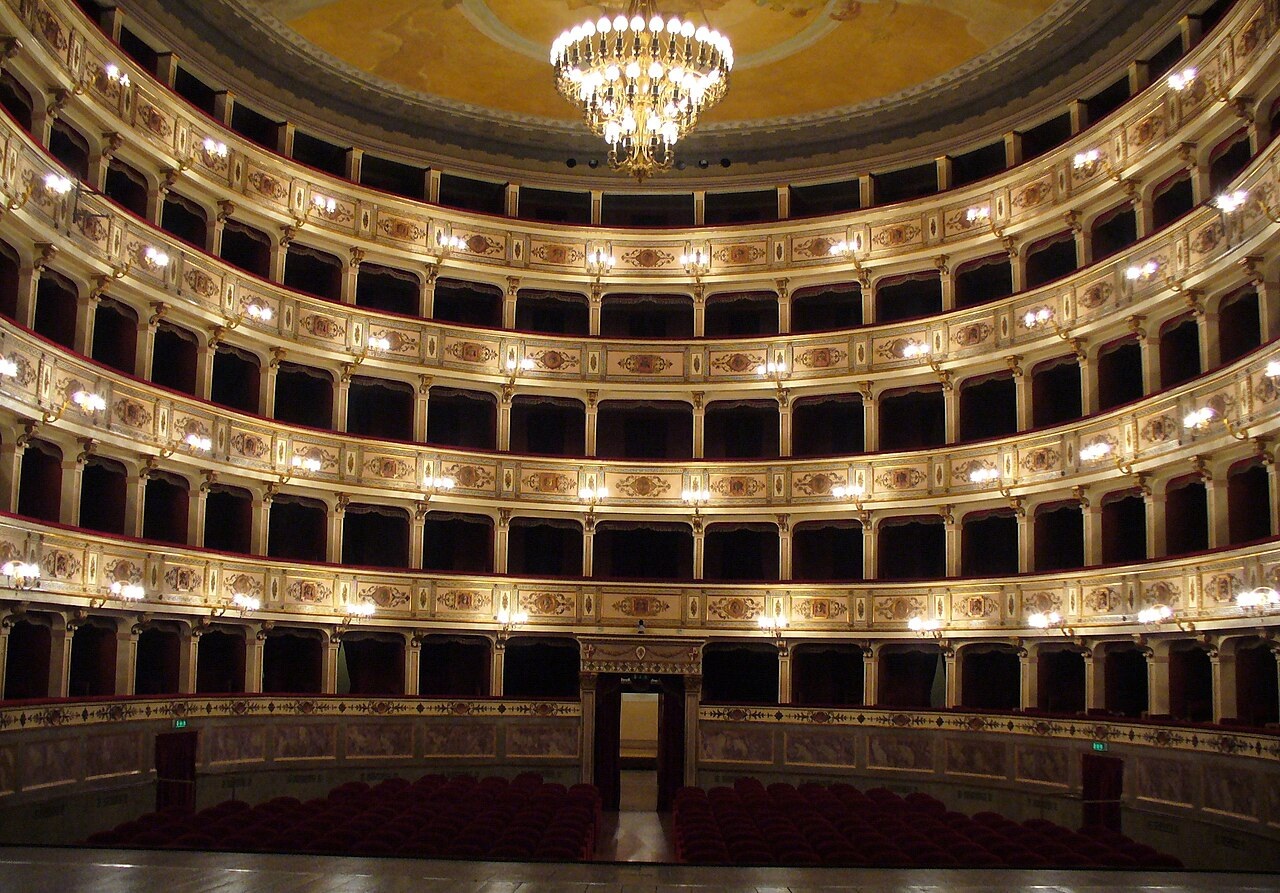
It’s a practical model as much as an idealistic one. Pooling resources this way let small and medium-sized towns afford elegant, properly equipped theatres, complete with tiered boxes, carefully designed auditoriums, stalls, foyers and working stage machinery. It also opened theatre-going up to people who’d rarely had access to it before. At a time when going to the theatre was still largely a pastime for nobility, these venues gave the growing middle classes a stage of their own.
Architecturally, the theatres belong mostly to the Neoclassical period, with occasional flourishes of Late Baroque still visible in the details. But their real distinguishing feature is the location. Built right in the heart of their town centres, these theatres quickly became something closer to a town hall than a concert venue. They were places where public life happened, where opinion was shaped, and where the whole community gathered, not just theatregoers.
The UNESCO decision
UNESCO’s citation is careful to make the point that it isn’t honouring ten pretty buildings so much as an entire way of doing things. Instead it values a model of theatrical ownership and participation that took root across central Italy and grew into a genuine regional network of civic playhouses. Unlike venues founded by royal courts or major institutions elsewhere in Europe, these theatres exist because local people financed them, administered them, and used them, together.
Italy’s culture minister, Alessandro Giuli, called the listing recognition of the theatres’ exceptional universal value. He described them as vital centres of cultural life, identity and social cohesion for the communities that have kept them going for more than two centuries. Prime Minister Giorgia Meloni also welcomed the news, calling the theatres historic and cultural treasures that help define the identity of the towns and cities of central Italy, and pointing to the listing as further proof, in her words, of Italy’s status as a cultural superpower.
The bid itself was led by the Marche region under president Francesco Acquaroli, working alongside Italy’s culture ministry and the regions of Umbria and Emilia-Romagna.
The ten theatres
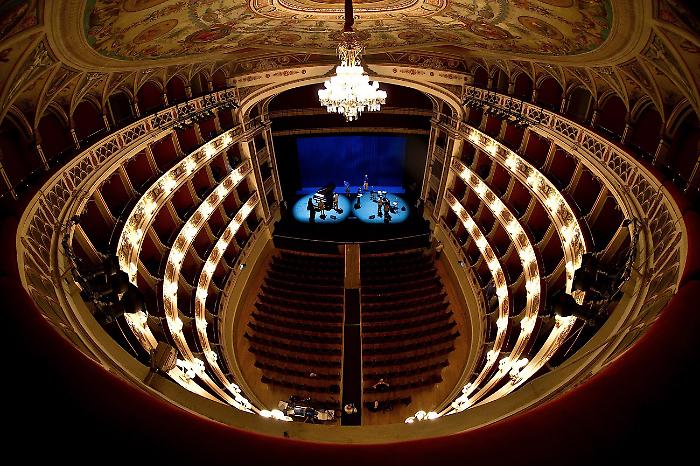
The listing covers a serial site of ten theatres spread across three regions:
- Teatro Angelo Mariani, Sant’Agata Feltria (Emilia-Romagna) — Italy’s oldest theatre built entirely of wood
- Teatro Pergolesi, Jesi (Marche)
- Teatro Ventidio Basso, Ascoli Piceno (Marche)
- Teatro Serpente Aureo, Offida (Marche)
- Teatro dell’Aquila, Fermo (Marche)
- Teatro Lauro Rossi, Macerata (Marche)
- Teatro Feronia, San Severino Marche (Marche)
- Teatro Gentile da Fabriano, Fabriano (Marche)
- Teatro Bramante, Urbania (Marche)
- Teatro Nuovo Gian Carlo Menotti, Spoleto (Umbria)
All ten remain working theatres today, still staging opera, drama and music.