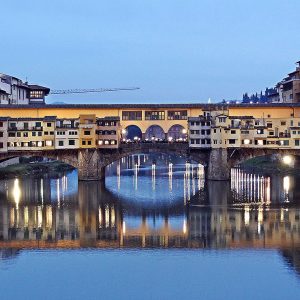
Florence residents have been invited to help choose the name of a new bridge over the Arno, selecting from four women who shaped the history of the Tuscan capital and Italy.
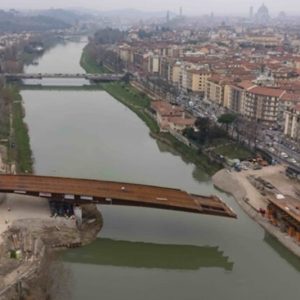
The structure, which connects the Bellariva district with Anconella Park, will serve as a key element of the city’s new tram line to Bagno a Ripoli. It is the first major road bridge built in Florence in almost 50 years.
The steel framework spanning the Arno was positioned on Friday. Mayor Sara Funaro, the first woman to lead the city, described it as a “historic day”.
Public naming initiative
Funaro used the occasion to launch a public naming initiative via social media. She argues that Florence’s urban toponymy still reflects a significant gender imbalance. “For the new bridge over the Arno, we want to choose together a name that has a profound meaning for Florence,” she said. “A bridge unites the city and its people. The name it will bear will be a shared choice.”
Four women, each representing a different chapter of Italian history, have been shortlisted.
Rita Levi-Montalcini

Rita Levi-Montalcini was a neurologist awarded the 1986 Nobel Prize in Physiology or Medicine. She discovered nerve growth factor, a breakthrough that transformed understanding of the development of the nervous system. Of Jewish origin, she continued her research in secret during the Second World War after being barred from academic life under Italy’s racial laws. She later became a Senator for Life in the Italian parliament. Levi-Montalcini remained an advocate for scientific research and education until her death in 2012 at the age of 103.
Caterina and Nadia Nencioni
Caterina, aged 50 days, and her nine-year-old sister Nadia were among five people killed in the Via dei Georgofili bombing on the night of 26–27 May 1993, an attack carried out by the Sicilian Mafia near the Uffizi Galleries. The explosion injured 48 others and caused extensive damage to the historic museum and surrounding buildings. The sisters’ deaths became emblematic of the civilian toll of organised crime. Nadia’s poem “The Firefly”, written shortly before the bombing, is often cited in commemorations of the attack.
Tina Anselmi
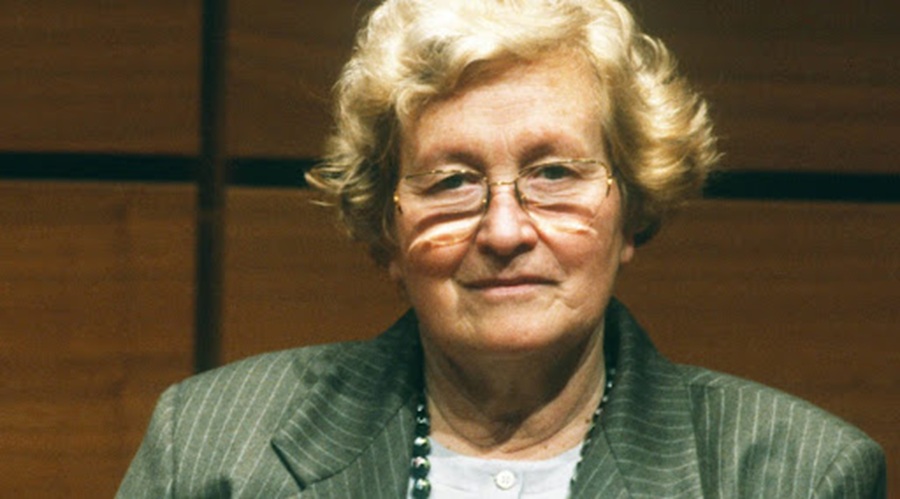
Tina Anselmi joined the Resistance as a teenager after witnessing Nazi forces execute 31 young partisans. In 1976 she became Italy’s first female cabinet minister. Later, as health minister, she oversaw the creation of the country’s National Health Service, establishing universal healthcare as a right. In 1998 she received the Knight’s Great Cross of the Order of Merit of the Italian Republic.
Gilda Larocca
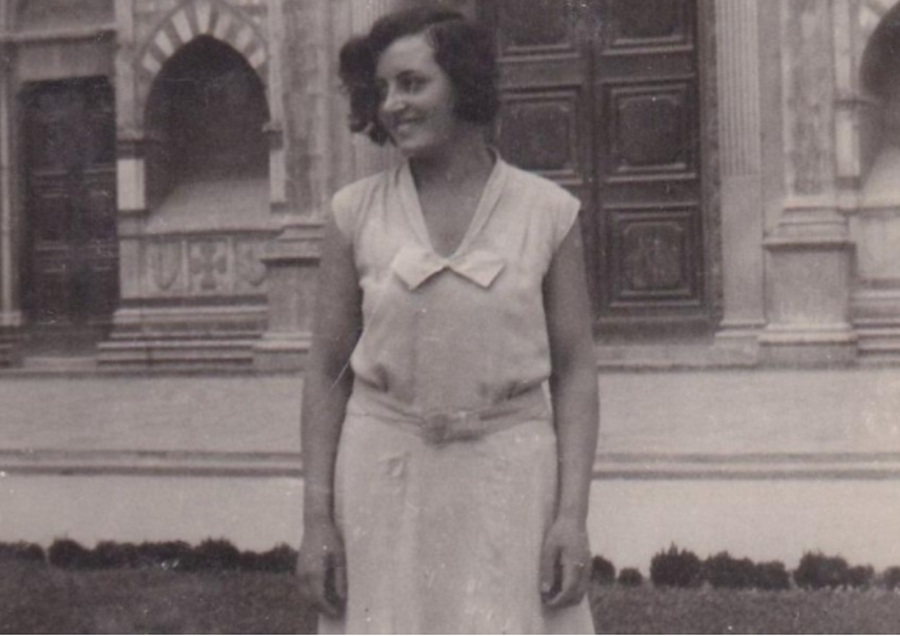
Gilda Larocca was a member of the clandestine “Radio CORA” network, which transmitted intelligence to Allied forces during the Nazi occupation of Florence. Arrested and interrogated at Villa Triste, she escaped from hospital custody and resumed her resistance activities until the city’s liberation in 1944. Her role remains part of Florence’s anti-fascist memory.
A symbolic project
Beyond its transport function, the bridge has become a symbolic project for the city administration. The tram extension to Bagno a Ripoli forms part of Florence’s broader mobility plan aimed at reducing traffic congestion and pollution by expanding public transport links.
The bridge is expected to become operational by June.