Italy’s battle with overtourism is entering a more assertive phase. Capri is rolling out new summer restrictions designed to curb crowding and restore a sense of balance between visitors and residents.
The island, one of Italy’s most recognisable destinations, will introduce strict limits on organised tour groups and ban the use of amplified guiding equipment during peak months. Local officials say the measures reflect a simple reality: Capri’s popularity has outgrown its capacity to absorb large numbers of people at once.
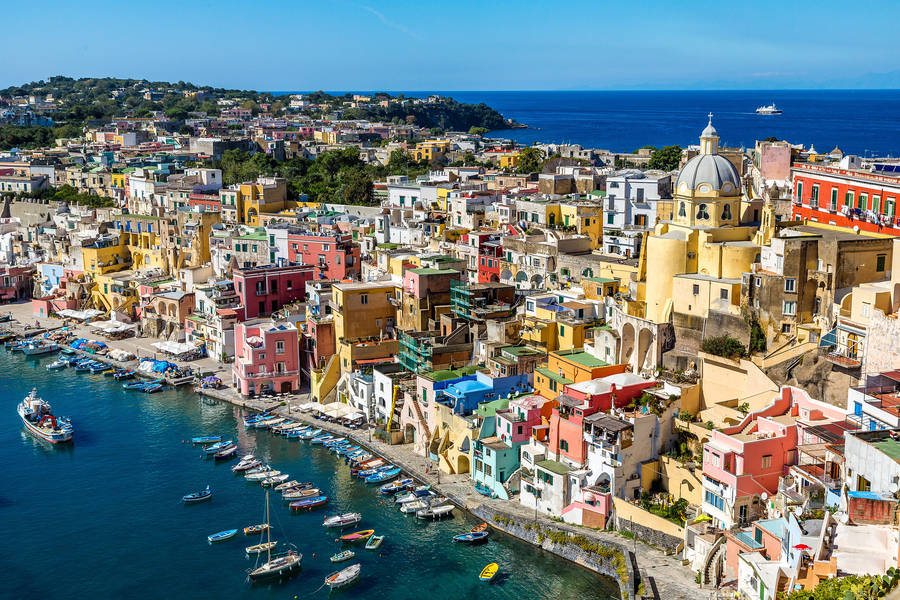
At the height of summer, as many as 50,000 visitors can descend on the island in a single day. That influx far exceeds the resident population, estimated at between 13,000 and 15,000, and places constant pressure on streets, transport links and public services. Congestion is most visible along the island’s narrow lanes, at scenic viewpoints and around Marina Grande, where ferries and private boats arrive in near-continuous waves.
Limit to tour group size
Under the new rules, tour groups will be limited to a maximum of 40 people. Guides leading groups of more than 20 visitors will no longer be allowed to use prominent flags or raised umbrellas, which often block foot traffic and dominate public spaces. Loudspeakers will also be banned, with guides required to switch to individual audio systems to reduce noise levels.
Capri’s decision places it firmly within a wider national trend. Across Italy, authorities are moving away from policies that prioritise growth in visitor numbers and towards ones that focus on management and sustainability. In Venice, an entry fee has been introduced for day-trippers, while controls on short-term rentals have tightened. Florence has acted to limit holiday lets in its historic centre, and Rome has deployed crowd-control measures around major landmarks such as the Trevi Fountain.
Similar pressures affect coastal and mountain regions. Along the Amalfi Coast, traffic and overcrowding have become recurring issues, while in the Dolomites and South Tyrol, access to certain villages and scenic roads is now restricted during peak periods.
Local business owners on Capri have largely supported the latest changes. Many argue that extreme crowding undermines, rather than boosts, the local economy. When streets become impassable and viewpoints turn chaotic, visitors tend to shorten their stays, spend less and leave with a poorer impression of the island.
Environmental concerns also play a growing role. Heavy footfall accelerates wear on historic paths, while intense maritime traffic contributes to pollution and coastal erosion. Local officials are therefore examining additional limits on the number of vessels docking at Marina Grande, although specific plans are still under discussion.
Management of tourism not exclusion
The emphasis, authorities stress, is not on exclusion. Capri’s hospitality sector remains central to the island’s identity and economy. The objective is to regulate flows rather than deter travel, spreading arrivals more evenly throughout the day and across the season.
For visitors, the changes may bring minor inconveniences, such as quieter group tours, smaller parties and occasional delays at busy times. Supporters argue that the trade-off is worthwhile, offering a calmer atmosphere and a more enjoyable experience.
Capri has faced this dilemma before. As early as the 1950s, the island imposed behavioural rules to preserve public spaces, banning loud radios and discouraging activities seen as disruptive. Today’s measures follow the same principle, adapted to modern pressures.
As Italy continues to attract record numbers of travellers, Capri’s approach highlights a shift in thinking. Tourism remains welcome, but unchecked volume is no longer seen as sustainable. The island’s message is clear: its appeal lies in its character and scale, and protecting both has become a priority.