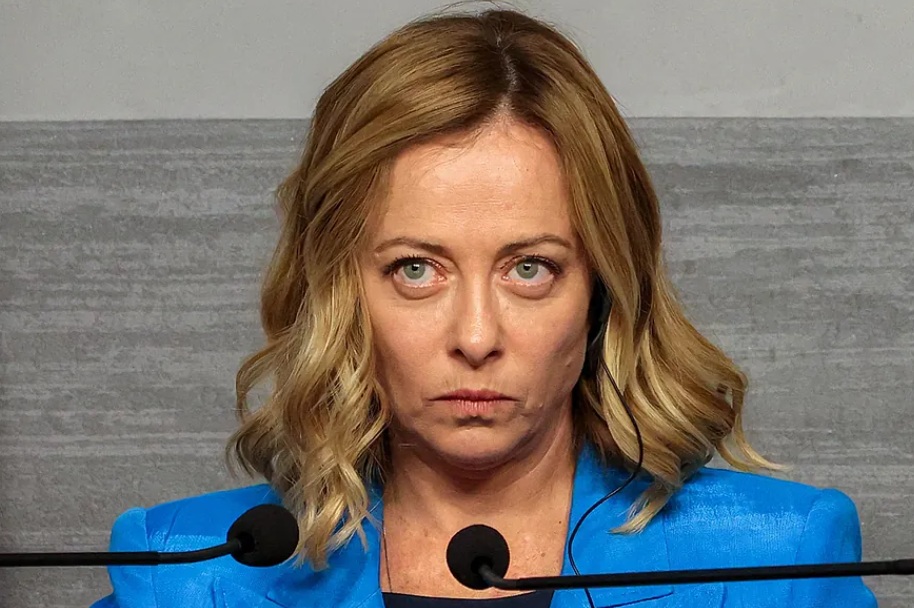
Prime Minister Giorgia Meloni said on Friday that her ruling coalition will press ahead with a new election law if opposition parties refuse to engage in constructive dialogue on the reform.
Speaking at a press conference in Rome, Meloni acknowledged ongoing discussions with opposition groups on changes to Italy’s electoral system.
“There are talks with the opposition on the reform of the election law, although not necessarily at my level,” she said. “Parliament is dealing with it. I hope there is positive dialogue and no closures due to prejudice. If there is a closure, the majority in parliament will decide.”
The comments underscore growing tensions over proposed reforms aimed at overhauling Italy’s voting system ahead of the general election due by 2027.
Context for Reform
Proposals linked to Meloni’s broader reform agenda include significant changes to the electoral system that could affect how seats are allocated and how the prime minister is chosen. Some elements under discussion involve introducing a majority bonus for the leading party or coalition to ensure governability, and even proposals for the direct election of the prime minister by voters — an overhaul that would alter Italy’s post-war parliamentary structures.
Meloni’s centre-right coalition, anchored by her Brothers of Italy (FdI) party along with Forza Italia and the League, has argued for reform as a way to prevent fragmented parliaments and ensure more stable government majorities.
Opposition Resistance
Opposition parties, including the centre-left Democratic Party (PD) and the populist Five Star Movement (M5S), have criticised the initiative as politically motivated.
They argue the proposed changes could make it harder for them to win seats and weaken democratic checks and balances. Some opposition leaders have specifically opposed plans that would enhance the powers of the prime minister and reduce the role of the president and parliament in government formation.
PD leader Elly Schlein said the reform stems from a fear of losing the next election and risks undermining parliamentary prerogatives. M5S leader Giuseppe Conte has also pledged vigorous opposition.
Political Implications
The debate comes against a backdrop of shifting electoral fortunes. Recent regional election gains by the centre-left have highlighted vulnerabilities in the ruling bloc’s support, reinforcing the urgency behind reform efforts.
Critics warn that repeated changes to voting laws — Italy has changed its electoral system multiple times since the 1990s — can fuel public scepticism and political instability.
Meloni’s office has framed the reform as a path to clearer mandates and stronger governance, but the policy remains deeply polarising.