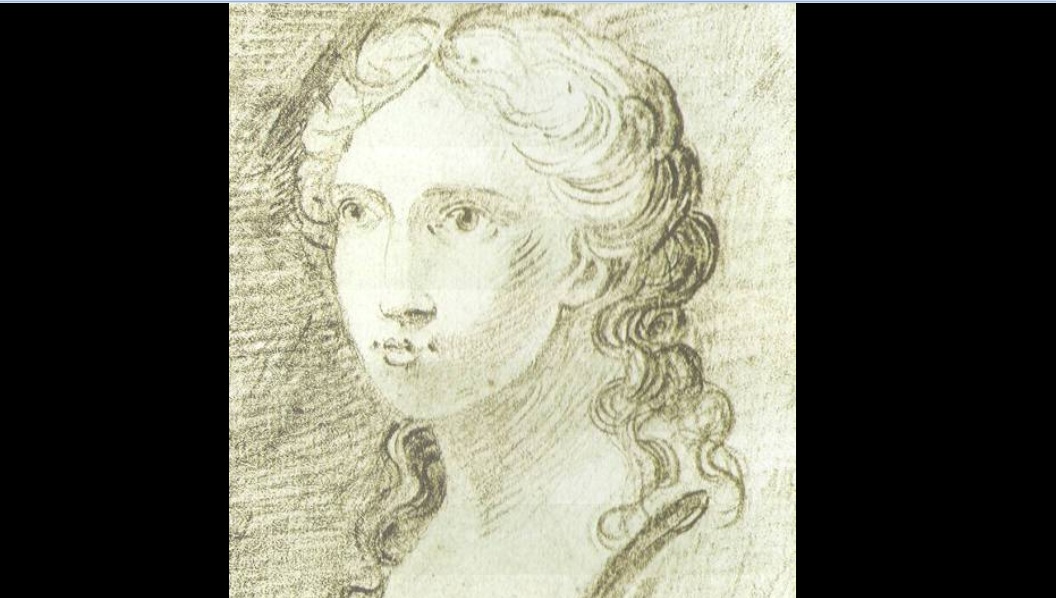
Luisa Sanfelice, the aristocrat executed after the fall of the Parthenopean Republic, was born on 28th February 1764 in Naples.
Born Maria Luisa Fortunata de Molina, daughter of a Bourbon general of Spanish origin, she married the Neapolitan nobleman Andrea Sanfelice at just 17. From that point she became Luisa, sometimes Luigia, Sanfelice, a name that would later be immortalised in literature, painting and film.
Her life unfolded against the political convulsions that shook southern Italy at the end of the 18th century. In 1799, French troops entered Naples and established the short-lived Parthenopean Republic, forcing Ferdinand I of the Two Sicilies, also known as Ferdinand IV of Naples, and Queen Maria Carolina to flee.
Debt, scandal and exile
Luisa’s early married life was marked more by extravagance than politics. Despite limited means, she and her husband lived beyond their resources, accumulating heavy debts. After the birth of three children, family intervention became unavoidable. The children were placed in a convent, and the couple were effectively exiled to the Sanfelice estate near Agropoli in Cilento.
Attempts to curb their excesses failed. They were forcibly separated: Luisa confined to a conservatory at Montecorvino Rovella, Andrea to a monastery in Nocera. Both escaped and returned to Naples, taking up residence in the Palazzo Mastelloni near what is now Piazza Carità. By 1797, however, Andrea had been imprisoned for debt, leaving Luisa alone in a city increasingly divided between monarchists and republicans.
The plot that sealed her fate
In Naples’ intellectual salons, Luisa moved easily between political camps. She had no declared allegiance, socialising with royalists and republicans alike. Among her admirers was Gerardo Baccher, a royal army officer loyal to Ferdinand. He confided in her a monarchist plot to overthrow the French-backed republic during a public festival, allegedly with support from the Bourbons and the British fleet under Horatio Nelson.
Concerned for her safety, Luisa obtained from Baccher a safe-conduct pass intended to protect her once the uprising succeeded. Yet she had fallen in love with a young republican, Ferdinando Ferri. Fearing for him, she revealed the conspiracy and handed him the document. Ferri alerted the republican authorities. Baccher and his accomplices were arrested and executed in the courtyard of Castel Nuovo.
Luisa’s involvement might have remained discreet had it not been publicly acknowledged by the journalist and republican figure Eleonora Pimentel Fonseca in the Monitore Napoletano. In praising her as a citizen who had saved the Republic, the article fixed her identity as a revolutionary.
Trial and execution
When the Parthenopean Republic collapsed in June 1799 and Ferdinand returned to power, reprisals were swift and severe. Luisa was arrested and condemned to death for her role in foiling the monarchist conspiracy.
She temporarily avoided execution by claiming pregnancy, a declaration supported by two Neapolitan doctors. Ferdinand ordered her transferred to Palermo for further examination; there, a physician declared her not pregnant. On 11 September 1800, she was executed.
Many historians argue that Luisa was not driven by ideology but by personal loyalties and circumstance. Rather than a committed revolutionary, she may have been an accidental participant in events that spiralled beyond her control.
A legacy in art and literature
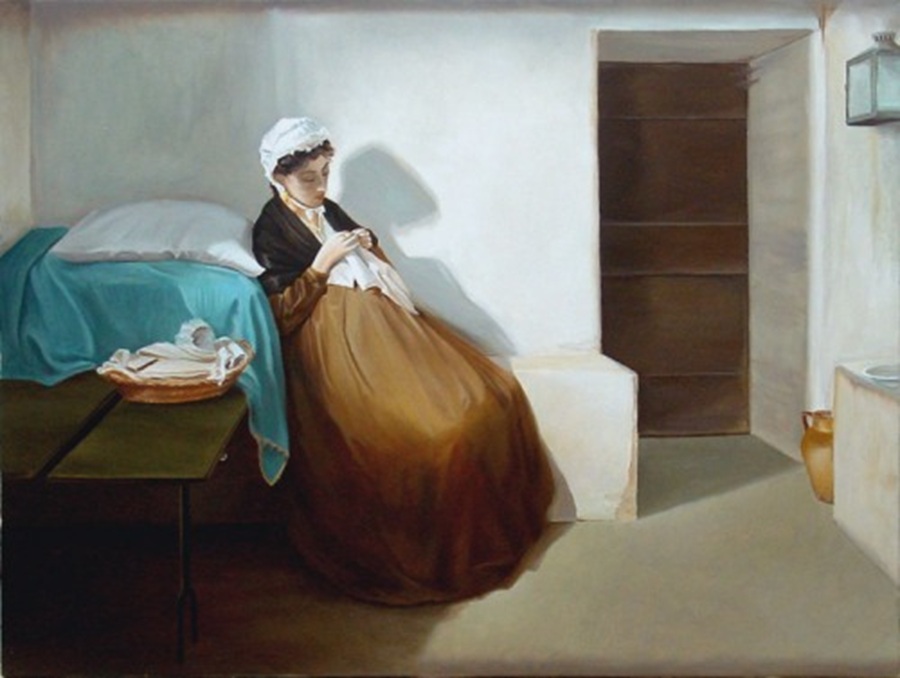
Luisa Sanfelice’s dramatic story has long fascinated artists and writers. The French novelist Alexandre Dumas made her the heroine of his historical novel La Sanfelice.
In the 20th century, her life reached cinema audiences in Luisa Sanfelice (1942) and again in a 2004 television film directed by Paolo Taviani and Vittorio Taviani, with Laetitia Casta portraying the doomed noblewoman.
In painting, her imprisonment became a powerful subject. Gioacchino Toma created several celebrated works, including Luisa Sanfelice in Prison, now housed at the National Museum of Capodimonte.