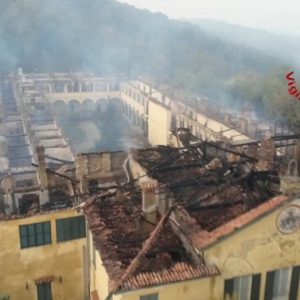
A huge fire destroyed the historic Sannazaro Theatre in central Naples on Tuesday, causing extensive damage to the building and nearby homes.
“The damage is extensive; unfortunately, the theatre is completely devastated,” said Giuseppe Paduano, commander of the Province of Naples Fire Brigade. Asked what remained of the structure, he replied: “Not much.”
Firefighters were still tackling small blazes inside the building hours after the outbreak. “It’s still too early to determine the cause,” Paduano said. “First we must put out the fire, then assess what happened.”
The prefect’s office said around 60 residents were evacuated as flames spread to neighbouring buildings. Eight people were treated for smoke inhalation, including four taken to hospital.
Naples Mayor Gaetano Manfredi, who arrived at the scene while firefighting operations were ongoing, said investigators believed the blaze was accidental, although the cause had yet to be confirmed. “They think it was accidental, but it’s still too early because they are still extinguishing fires in an apartment,” he said.
“The theatre has been completely destroyed. They tell us only the external structure remains,” Manfredi added. He said he had spoken with Culture Minister Alessandro Giuli, and that the central government would be involved in reconstruction efforts. He also confirmed discussions with Campania Governor Roberto Fico.
“We will work together to give the theatre back to the city,” Manfredi said. He embraced theatre owner Lara Sansone at the scene, telling her: “You won’t be alone; the city will stand by you.”
A theatre at the heart of Naples
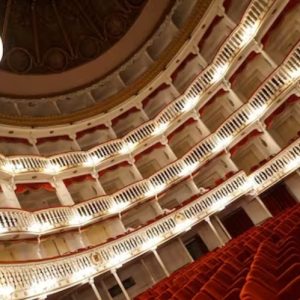
The Sannazaro Theatre was inaugurated in 1847 and has long been a fixture of Naples’ cultural life. Known for its strong association with Neapolitan popular theatre and comedy, it became a key venue for local playwrights and performers, helping to shape the city’s theatrical identity over generations.
Family-run for much of its history, the theatre survived war damage, economic hardship and periods of closure, remaining a symbol of continuity in a rapidly changing city. Its destruction has prompted an outpouring of concern from cultural figures and residents.
Also read: Italy’s top opera houses