
From lakeside terraces to hilltop hamlets, Italy’s heritage shines in five new “Borghi più belli” (most beautiful villages) and two honorary guest villages.
Late last year, I Borghi più Belli d’Italia expanded its official roster of small towns recognised for their cultural depth, landscape quality and preservation of historic identity. The seven latest additions, from Lombardy to Basilicata and Piedmont to Molise, illustrate varied facets of la vera Italia, destinations with authentic character and stories to tell.
The selection process is rigorous, based on 72 parameters evaluating artistic heritage, environmental protection, services and hospitality. This ensures that each new entry reflects genuine historical and community value. There are now 382 villages included on the Most Beautiful Villages in Italy list.
Limone sul Garda (Lombardy)
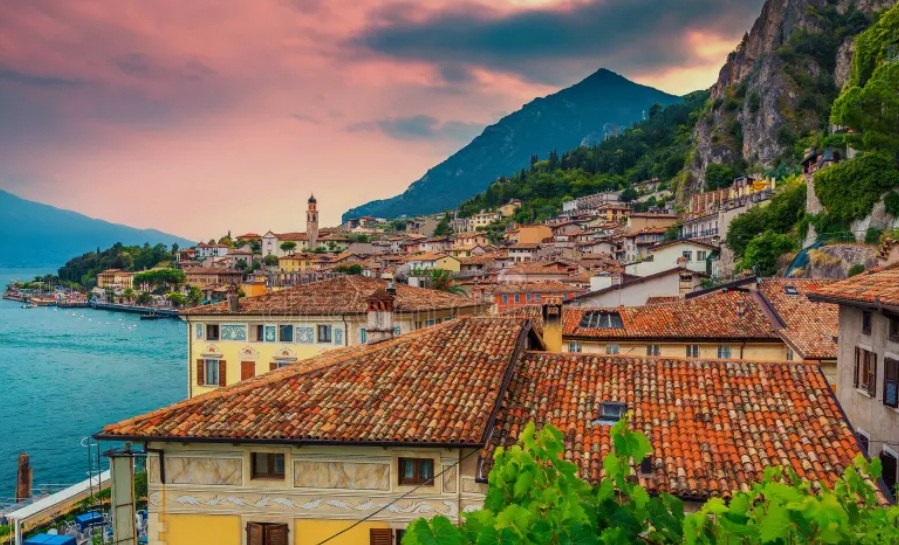
Perched on the western shore of Lake Garda, Limone sul Garda is both visually striking and historically significant. Famously cultivated for lemons in stone and wood limonaie, the town developed a unique agricultural tradition under a microclimate found nowhere else in Europe. This heritage is preserved at places like the Limonaia del Castèl, where citrus cultivation continues. Limone’s setting — narrow lanes rising from lakefront ports against rugged cliff faces — is as evocative as its gardens of citrus blossoms.
Beyond agriculture, Limone offers a lungolago promenade, beaches, artisanal shops, lively cafés and dramatic views that shift from aquamarine to deep sapphire with the light. Its lakeside charm is unmistakable but not static: there’s an ongoing commitment to sustainability and historic conservation that helped secure its newest accolade.
Pieve di Teco (Liguria)
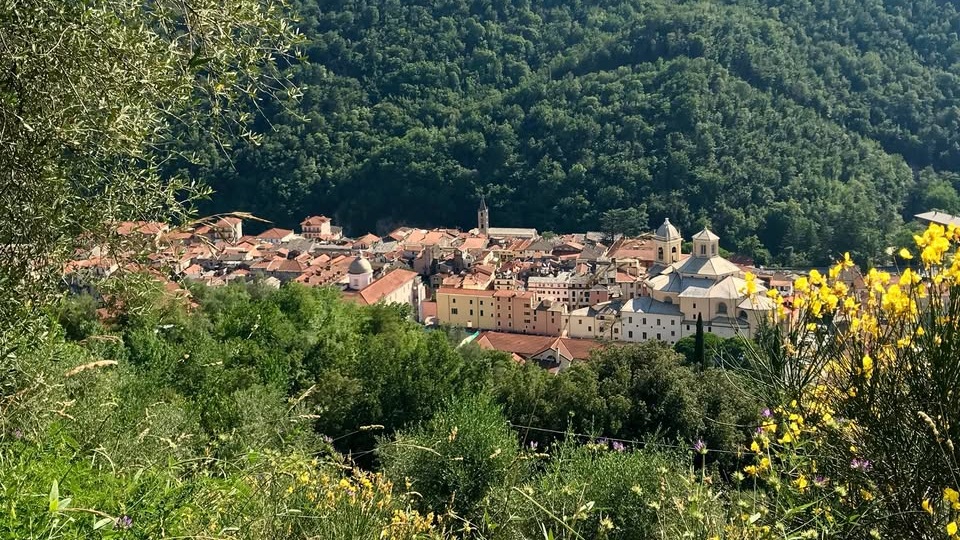
In the Alta Valle Arroscia hinterland of Liguria, Pieve di Teco stands apart from coastal resorts for its medieval core and authentic regional culture. Centred on a long porticoed street and dotted with craft workshops and historic palazzos, the village feels rooted in centuries of inland Ligurian life.
Landmarks include the small Teatro Salvini, one of Europe’s tiniest historic theatres, and the parish church of San Giovanni Battista, with a notable art collection spanning several centuries. A contemporary highlight is the Museo delle Maschere di Ubaga, which uses craft to explore ancient mountain traditions. Culinary traditions emphasise cucina bianca, simple dishes relying on local produce like goat cheese, leeks and herbs.
Castelvetro di Modena (Emilia-Romagna)
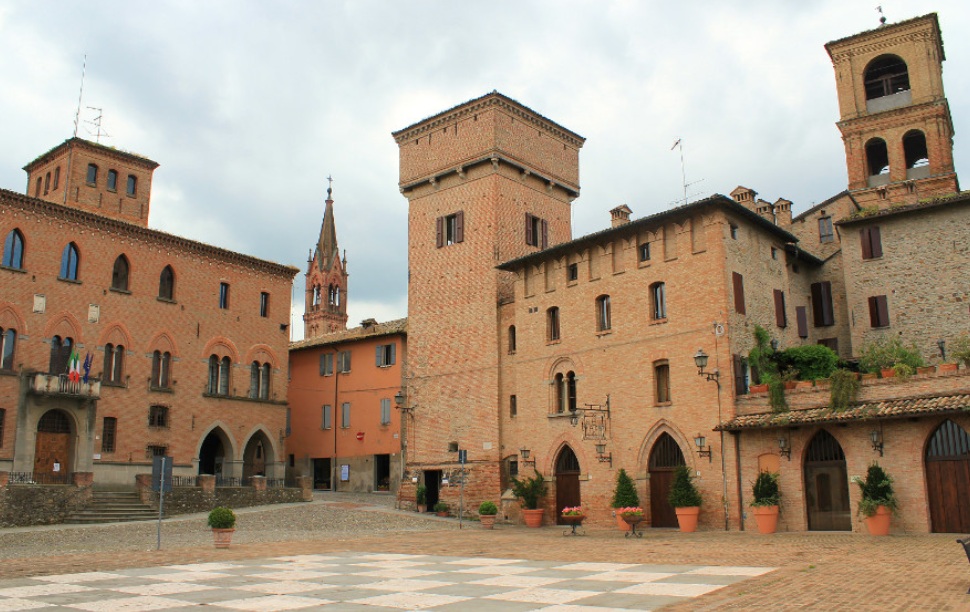
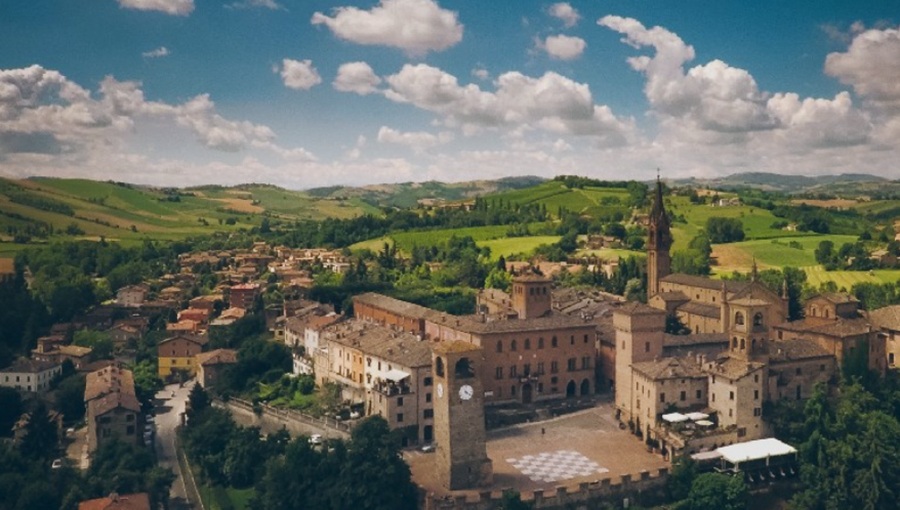
Just south of Modena, Castelvetro di Modena brings together medieval formality and Emilia-Romagna’s renowned food culture. The town’s origins predate the Roman era, with archaeological evidence of Etruscan settlement, and its medieval heritage is still visible in the stone towers and city walls.
At the heart of Castelvetro is Piazza Roma, known locally as Piazza della Dama for its black-and-white checkerboard paving. Around it are elegant civic and noble buildings, including the Torre dell’Orologio and Palazzo Rinaldi. The surrounding hills are carpeted with vineyards producing Lambrusco Grasparossa and vineyards for traditional Balsamic vinegar, key elements of the area’s gastronomic identity. Festivals and wine events unfold throughout the year, inviting visitors to pair historic architecture with celebrated local flavours.
Cusano Mutri (Campania)
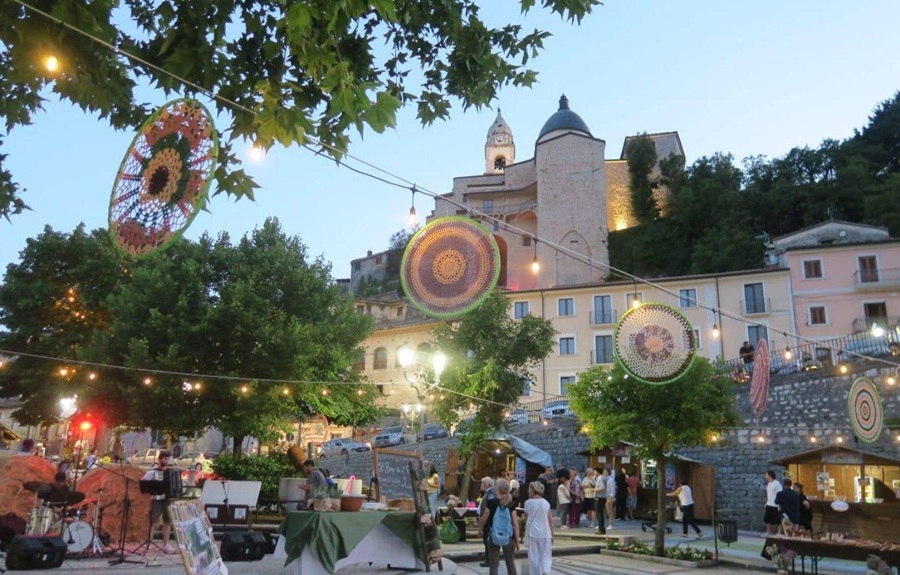
Deep within the Parco Regionale del Matese near the Molise border, Cusano Mutri occupies a rocky spur overlooking rolling valleys. Its narrow alleys, stairways and stone façades evoke a setting almost frozen in time.
Historical remnants include the 13th-century castle and several churches perched high in the old town, offering expansive views of the surrounding peaks and forests. The village calendar is rich with tradition: June brings the Infiorita, elaborate flower carpet displays, while autumn celebrates mushrooms in the Sagra dei Funghi, a festival spanning weeks.
Rivello (Basilicata)
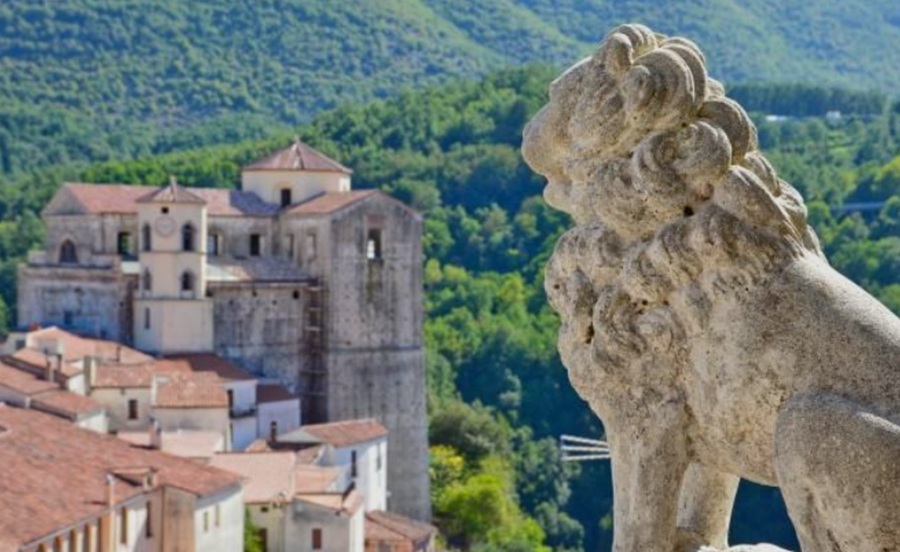
The village of Rivello spreads across three hill summits in the Valle del Noce, close to the Tyrrhenian coast. Its strategic position provides sweeping panoramas across the mountains and sea.
The dual identity of its districts reflects centuries of cultural layering, including Roman, Lombard and Byzantine influences. Notable religious sites include the Byzantine-style San Michele dei Greci as well as Latin churches such as Santa Maria Maggiore and San Nicola. The nearby Convento di Sant’Antonio and multiple medieval churches add architectural depth to a village known for pastoral tranquillity as much as historic significance.
Guest Villages
In addition to the permanent additions, the association also named two “guest villages”. This designation applies to towns that exceed the population limit of 15,000 residents, which normally excludes them from full membership. Guest villages are admitted on an honorary basis for a two-year period, allowing historically significant districts within larger towns to be recognised for their architectural value, preservation efforts and cultural identity. At the end of the term, the status is reviewed but does not convert into permanent inclusion.
Borgo Il Piazzo, Biella (Piedmont)
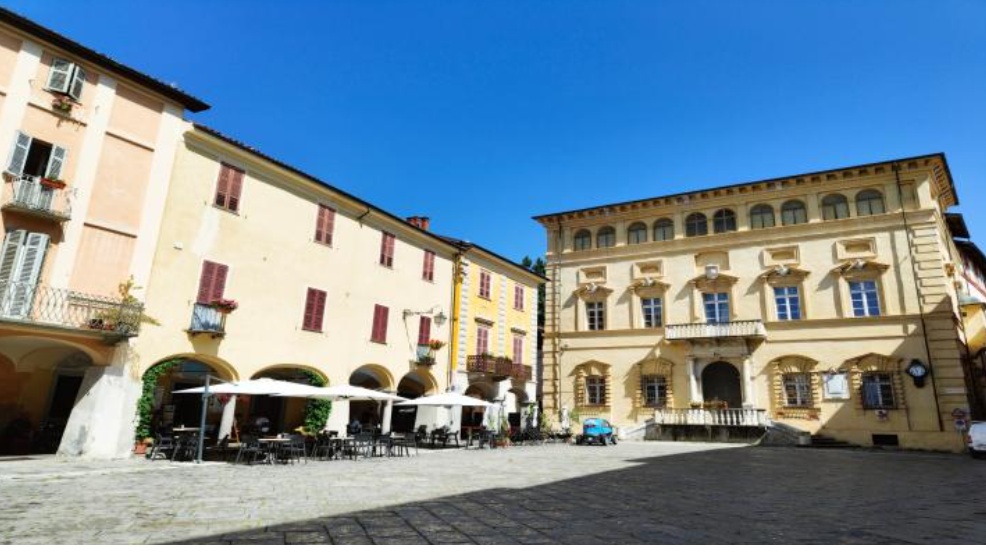
The historic core of Biella, Borgo Il Piazzo, sits on an elevated ridge above the modern city. Its medieval street pattern and ancient houses recall a town that once served as a centre of wool and cashmere production.
Linked to the lower town by a funicular since the 19th century, the quarter features steep cobbled streets and pockets of artisanal heritage. This borgo retains a distinct identity as an urban heritage district, making it a valuable “guest” inclusion.
Borgo Vecchio, Termoli (Molise)
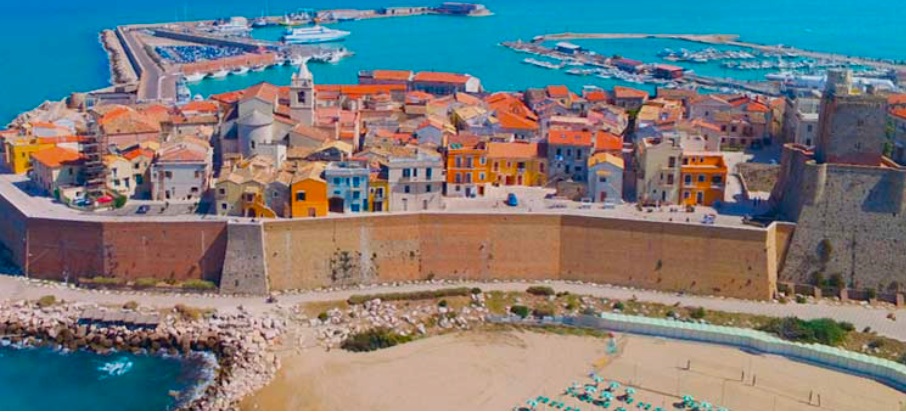
Perched on a promontory overlooking the Adriatic, Termoli’s Borgo Vecchio fuses maritime atmospheres with medieval texture. Its narrow lanes open onto views of sea and sky, while the imposing Castello Svevo guards the old town entrance.
Among the twists and turns of its streets is Vico il Castello, cited as one of Italy’s narrowest alleyways, anchoring an old-world experience beside a lively harbour. The designation as a guest borgo recognises this rich blend of coastal life and historic settlement.


