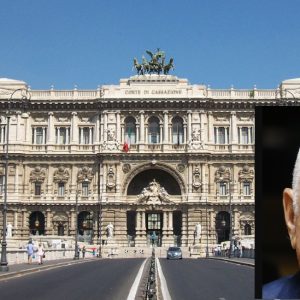
Justice Minister Carlo Nordio said on Wednesday his contested reform of Italy’s judiciary is necessary because the self-governing body of magistrates fails to remove inadequate judges.
Speaking at the Lower House during the presentation of his book Una Nuova Giustizia, Nordio criticised the High Council of the Judiciary, known as the CSM.
He said there have been inexcusable errors where magistrates do not know the facts or the law. Nordio also cited negligence, incompetence and inertia. He argued that poor performance should lead to career consequences, not financial penalties.
“An unprepared magistrate should not be hit in the wallet but in their career,” Nordio said, adding that dismissal should be possible.
Nordio said this does not happen because the CSM never ejects magistrates, due to what he described as a factional internal system.
The reform separates the career paths of judges and prosecutors, preventing them from switching roles. It also creates a high court to discipline magistrates. Furthermore, it changes how members of the CSM are selected, introducing a draw system.
The constitutional reform completed its fourth and final parliamentary reading in October. It will go to a referendum in March after failing to secure the two-thirds majority needed to avoid a public vote.
Government rejects prosecutors would be under executive control
Prime Minister Giorgia Meloni’s government has rejected opposition claims that the reform would place prosecutors under executive control.
The government argues the separation will avoid overly close relations between judges and prosecutors, which could undermine fair trials.
The centre-left opposition says only 0.3% of magistrates currently change roles and argues the reform will not address delays or staff shortages in the justice system.
Yes and No referendum committees formed immediately after the law’s approval. Nordio has said he is willing to debate magistrates’ union ANM and the No committee on live television.
The reform also aims to reduce the influence of internal cliques within Italy’s highly politicised judiciary.