
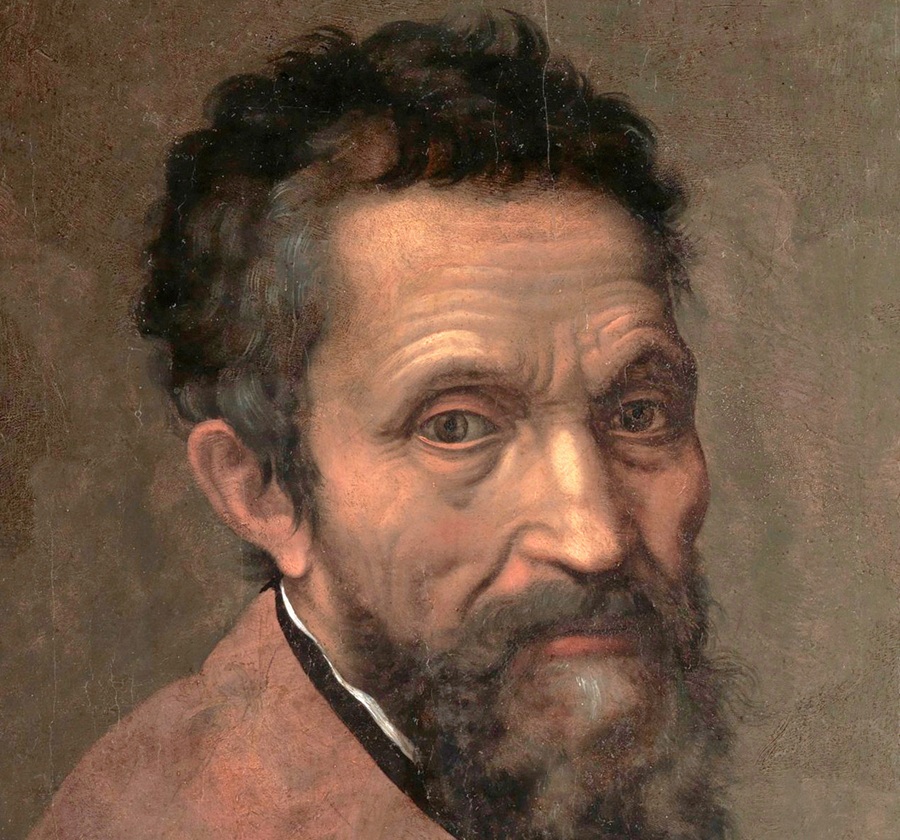
Previously little-known works and pieces of uncertain attribution may now be linked to Michelangelo, according to new research reported by Il Messaggero.
The claims stem from a study titled Michelangelo. Gli ultimi giorni by independent Roman researcher Valentina Salerno. She reconstructed the artist’s final years through the comparison of dozens of archival documents in Italy and abroad. Her research challenges the long-held belief that Michelangelo destroyed many of his sketches and preparatory works shortly before his death in 1564.
According to Salerno, newly identified documents suggest that the artist instead entrusted students and close associates with safeguarding hundreds of drawings, sketches and possibly small sculptures in a concealed location in Rome. One recovered record reportedly refers to a room secured by a system of multiple keys, containing material considered highly precious. The space, she claims, has stood empty for more than four centuries, raising the possibility that works were removed and dispersed.
Michelangelo, who spent his final decades in Rome working on projects including the dome of St Peter’s Basilica, maintained a workshop practice in which pupils assisted in executing commissions. The question of attribution between autograph works and studio productions has long complicated scholarship, particularly regarding drawings.
Examination into the findings
Salerno’s research has reportedly received backing from the Canons Regular of the Lateran of the Blessed Sacrament and Professor Michele Rak. Mauro Gambetti, Cardinal Archpriest of St Peter’s Basilica, is said to have established a scientific committee of international museum experts to examine the findings.
The debate over attribution resurfaced at a recent Christie’s auction in London. A sketch for the foot of the Libyan Sibyl, linked to the Sistine Chapel ceiling, was sold following renewed scholarly analysis.
Art historians caution that attribution claims require rigorous peer review, but the study has reopened discussion about the possible survival and dispersal of Michelangelo’s late works.


