Molise is looking to its medieval past to secure its future. The Autonomous Tourist Board (AAST) has announced a collaborative project with 34 regional municipalities to develop the “Norman Route,” an ambitious network of themed itineraries designed to showcase the profound heritage left by the Norman people.
The initiative aims to integrate Molise into a broader European cultural network, linking historical memory with modern local development. From the strategic castles perched on rocky outcrops to the intricate craftsmanship of local artisans, the project seeks to prove that the Norman influence is a living continuity in the region.
Eight paths through history
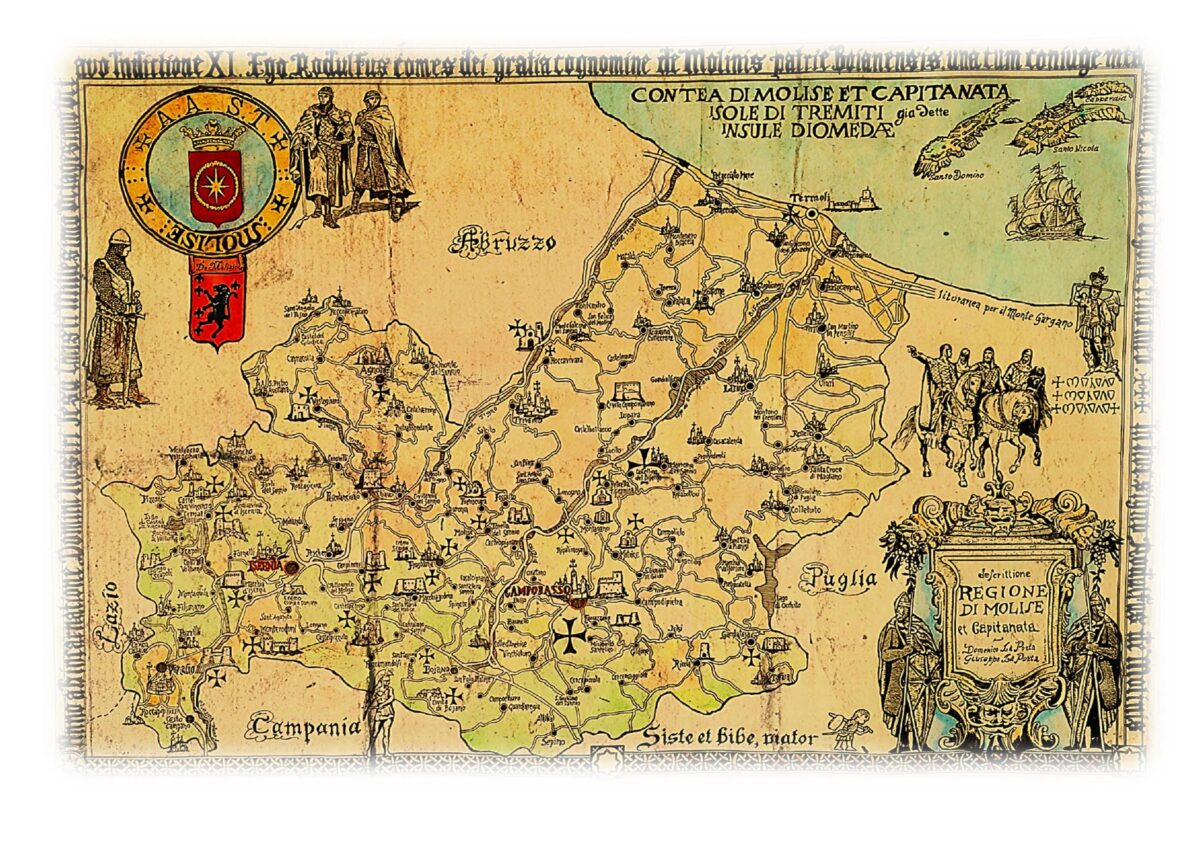
The AAST has focused its attention on creating distinct “routes” that cater to diverse traveller interests, ensuring that the region’s historical, religious, and productive identity is fully represented.
| Route Name | Focus & Highlights |
| Churches and Castles | Military fortresses and defensive architecture. |
| The Norman Faith | Pilgrimage paths and the veneration of saintly relics. |
| The Route of the Bell | Local bell-ringing traditions and religious craftsmanship. |
| Route of Blades | Medieval-origin ironwork, including traditional knives and swords. |
| Textile Art | From ancient Norman tapestries to delicate bobbin lace. |
| Music and Song | Bagpipes, medieval festivals, and popular folk traditions. |
| Route of Flavours | Pastoral cuisine: bread, cheese, oil, wine, and livestock. |
| Route of the Knights | Chivalry, equestrian culture, and the history of feudal territory control. |
Connecting the mountains to the sea
A final, strategic component of the project is the Road of the Sheep Tracks and the Sea. This route emphasises the historic connection between Molise’s mountainous interior, defined by the ancient tratturi (sheep tracks), and the Adriatic coast. Historically, this corridor served as a gateway for trade, religious pilgrimages, and Mediterranean diplomacy.
By organising these existing assets into a coherent tourist offering, the Molise Tourism Board hopes to attract a “slow tourism” demographic interested in authenticity and historical depth.
“This project was born to enhance the identity-building heritage of the Normans,” a representative for the AAST stated. “It is not just about the past; it is about creating a sustainable tourism model that supports our local producers and keeps our traditions alive.”
The itineraries are currently under development, with further details on digital maps and guided tours expected to be released in the coming months.