
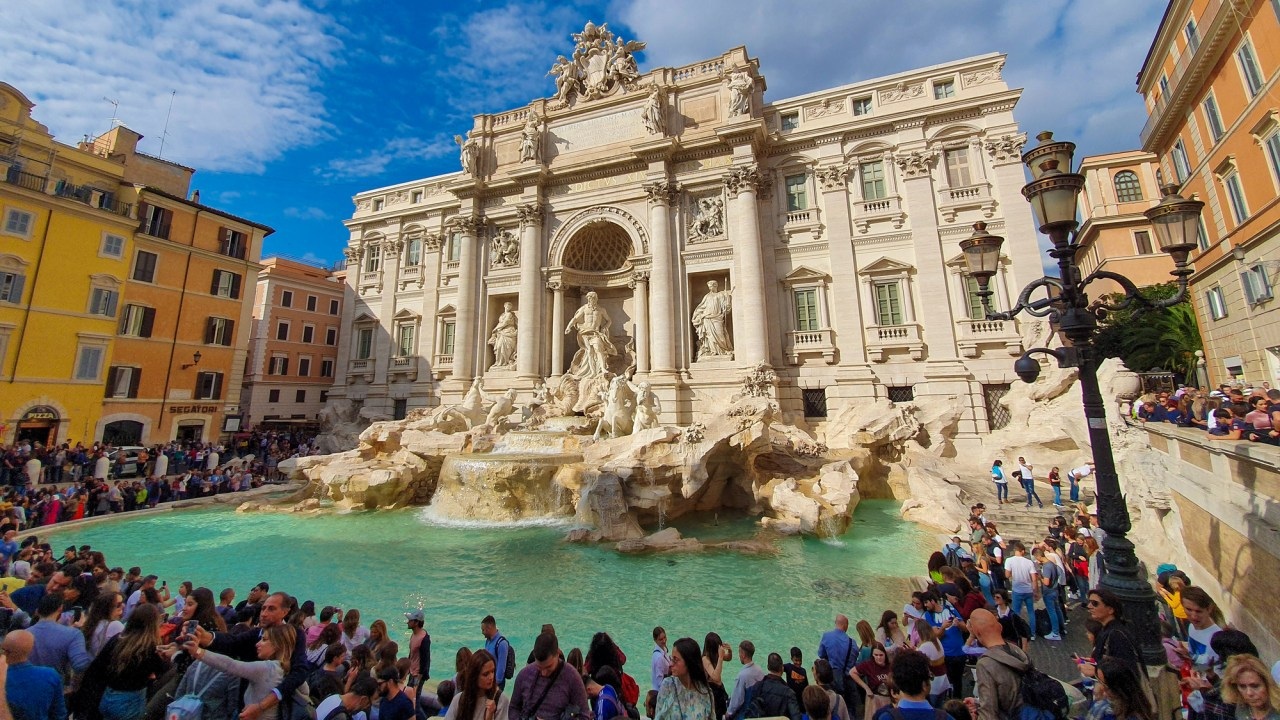
Rome, on Monday, began charging tourists a two-euro fee to approach the area immediately surrounding the Trevi Fountain. This allows visitors to have close access to the Trevi Fountain basin for photographs and to follow the tradition of throwing coins into the water. The measure aims to manage crowding at one of the city’s most visited landmarks.
Paid access applies during set hours, from 11:30 to 22:00 on weekdays and from 9:00 to 22:00 at weekends. Tickets can be bought at the site (by card only), or online. Entry to the surrounding square remains free, and visitors can still pass through the area without charge. Rome residents, people with disabilities, children under the age of six and licensed tour guides are exempt from the fee.

City authorities expect the system to generate several million euros in additional revenue. Rome’s tourism councillor, Alessandro Onorato, said the initiative had also created jobs, with 18 young people hired as stewards to manage access and assist visitors.
5,000 visitors paid on first day
Rome said more than 5,000 people paid the fee on Monday, the first day of the entry system. The queue forms to one side of the fountain, on Via della Stamperia, and public access remains open for everyone in the higher part of the piazza in front of the monument.
For now, barriers demarcate the routes however they are set to be replaced with “columns in keeping with the aesthetics of the site”, according to the city.
Onorato described the change as a response to long-standing problems linked to overcrowding at the site. He said that until recently the experience of visiting the Trevi Fountain had been chaotic due to the volume of visitors gathered around the basin. The new arrangement, he argued, represents a more organised approach that balances access with preservation.


